PM Modi Highlights India's Defence Transformation Over Last Decade
Synopsis
Prime Minister Narendra Modi on June 17, 2026, opened an X thread highlighting India's defence transformation over the past decade, crediting self-reliance policies, indigenous manufacturing, and innovation initiatives such as Make in India, Atmanirbhar Bharat, DRDO advances, and the iDEX startup platform.
Key Takeaways
PM Modi posted a thread on June 17, 2026 , showcasing India's defence sector transformation over the last decade.
The Make in India initiative (2014) and Atmanirbhar Bharat campaign (2020) form the twin policy pillars of defence indigenisation.
A negative import list of 101 defence items notified in August 2020 banned import of specified weapons platforms.
DRDO has developed key indigenous systems including the Tejas fighter, Akash missile, and Astra beyond-visual-range missile.
The iDEX platform (launched 2018) has engaged startups and MSMEs in defence technology development.
India is positioning platforms such as BrahMos and Akash for export, reflecting growing strategic and industrial ambitions.
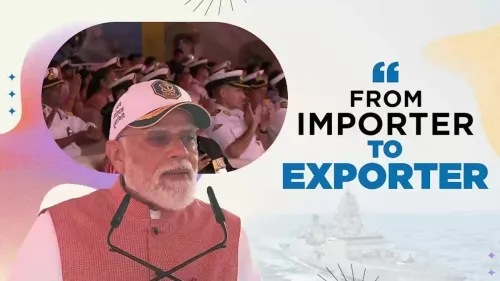
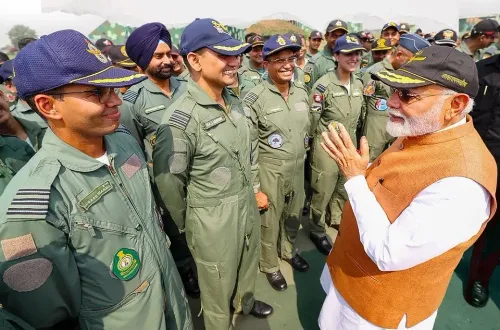
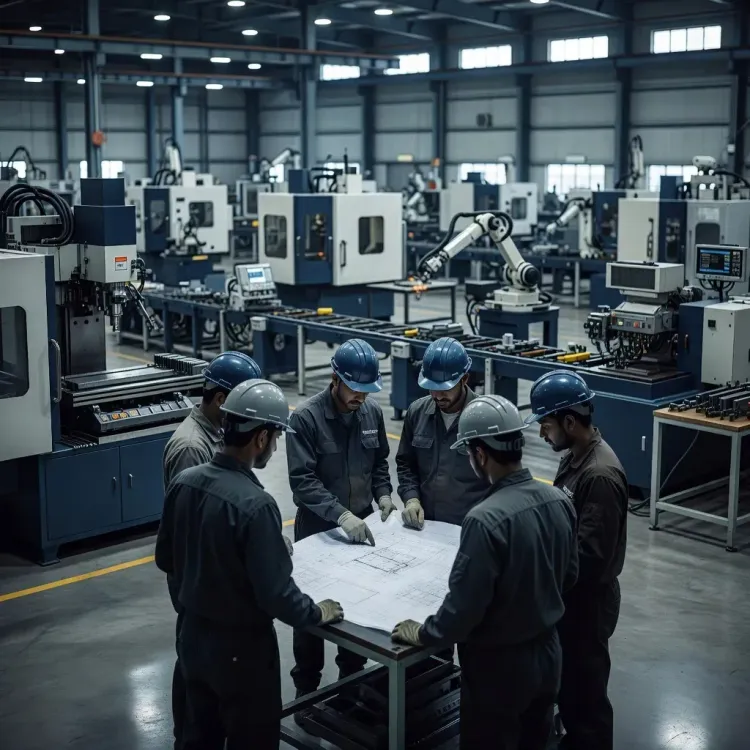
Prime Minister Narendra Modi on Wednesday, June 17, 2026, took to X to highlight the significant transformation India's defence capabilities have undergone over the past decade, attributing the progress to a vision of self-reliance and advances in indigenous manufacturing and technology. The post opened a thread offering a glimpse of the strides India has made in the defence sector.
Context
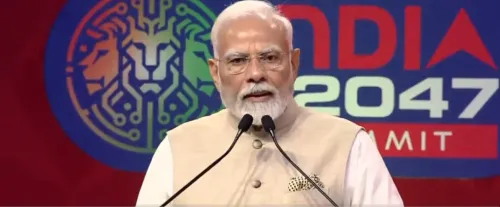
In his post, Prime Minister Modi wrote that India's defence capabilities have witnessed 'significant transformation over the last decade, guided by the vision of self-reliance and powered by innovation, technology and indigenous manufacturing.' The statement frames the thread as a retrospective on a decade of policy-driven defence modernisation that has sought to reduce India's historically high dependence on foreign weapons suppliers.
India has long been among the world's largest arms importers. The pivot toward domestic production, initiated around 2014, represents one of the most sustained shifts in the country's defence procurement philosophy in recent memory.
Policy Backdrop
The transformation the Prime Minister references draws on a layered set of policy interventions. The Make in India initiative, launched in September 2014, identified defence as a priority sector, setting targets for increasing indigenous content across platforms procured by the armed forces. This was followed by the Defence Procurement Procedure 2016, which introduced the 'Buy Indian — Indigenously Designed, Developed and Manufactured (IDDM)' category, giving preference to domestically produced equipment.
The Atmanirbhar Bharat campaign, announced in May 2020, deepened these efforts through a series of structural reforms, including the corporatisation of the Ordnance Factory Board and the notification of four positive indigenisation lists. A first negative import list of 101 defence items was notified in August 2020, effectively banning the import of specified weapons and platforms from that year onward.
Alongside procurement reform, the Defence Research and Development Organisation (DRDO) has advanced several indigenous platforms, including the Tejas light combat aircraft, the Akash surface-to-air missile system, and the Astra beyond-visual-range missile. The iDEX (Innovations for Defence Excellence) platform, launched in 2018, has further widened the innovation base by drawing in startups, micro, small and medium enterprises, and academic institutions through targeted challenges and funding.
Stakeholders and Impact
The beneficiaries of this decade-long shift span multiple constituencies. India's armed forces gain access to equipment designed for local operational requirements, while indigenous manufacturers — both public sector undertakings and a growing private defence industry — have seen expanded opportunities. Defence startups, energised by iDEX, have emerged as a new layer of the ecosystem.
On the export front, India has set ambitious targets, with platforms such as BrahMos and Akash positioned for overseas sales. The broader strategic rationale is enhanced autonomy: a country that manufactures its own weapons systems is less vulnerable to supply disruptions or diplomatic pressure from foreign suppliers.
What's Next
Observers will watch for an updated Defence Production and Export Promotion Policy with revised targets, the scheduled induction of the Tejas Mk-1A into the Indian Air Force, and progress on the Advanced Medium Combat Aircraft (AMCA) prototype programme. Parliamentary scrutiny of the defence budget's allocation for indigenous research and development will also be a key indicator of how firmly the self-reliance agenda is institutionalised beyond the current administration's tenure.
The Prime Minister's thread signals that the ruling establishment intends to keep defence indigenisation at the centre of its governance narrative as India's strategic ambitions on the global stage continue to grow.
Point of View
Consolidating a decade of policy milestones — Make in India, Atmanirbhar Bharat, negative import lists, and iDEX — into a single, cohesive narrative of strategic autonomy. The timing suggests an effort to anchor the BJP's political identity to tangible national-security achievements ahead of ongoing budget and procurement cycles. By foregrounding self-reliance rather than specific platforms or contracts, the communication sidesteps unverified claims while keeping the broader arc credible. The thread also signals to domestic industry and foreign partners that India's indigenisation agenda is a durable state commitment, not a transient policy experiment.
NationPress
19 Sept 2026
Frequently Asked Questions
What did PM Modi say about India's defence sector on June 17 2026?
PM Modi posted an X thread on June 17, 2026, stating that India's defence capabilities have witnessed 'significant transformation over the last decade, guided by the vision of self-reliance and powered by innovation, technology and indigenous manufacturing,' and offered a glimpse of the progress made.
What is the Make in India defence initiative?
Make in India is a national manufacturing initiative launched in September 2014 that identified defence as a priority sector, aiming to increase indigenous content in weapons and platforms procured by India's armed forces and reduce dependence on foreign suppliers.
What is Atmanirbhar Bharat in defence?
Atmanirbhar Bharat, announced in May 2020, is a self-reliance campaign that introduced structural defence reforms including corporatisation of the Ordnance Factory Board, four positive indigenisation lists, and a negative import list of 101 defence items banned from import.
What defence platforms has DRDO developed indigenously?
The Defence Research and Development Organisation (DRDO) has developed several indigenous systems including the Tejas light combat aircraft, the Akash surface-to-air missile, and the Astra beyond-visual-range air-to-air missile.
What is iDEX and how does it support defence innovation in India?
iDEX, or Innovations for Defence Excellence, is a platform launched in 2018 that engages startups, MSMEs, and academic institutions in developing defence technologies through structured challenges and funding, broadening India's defence innovation base beyond traditional public sector entities.