Modi picks Tarakeswar for West Bengal Day: History, schemes and politics
Synopsis
Modi's choice of Tarakeswar for West Bengal Day is no accident — it is the site where Syama Prasad Mookerjee was authorised in 1947 to demand Bengal's partition. Paired with a ₹18,880 crore PM-KISAN disbursement and a clutch of agri scheme launches, the visit fuses BJP's ideological heritage with direct welfare delivery in a state the party is aggressively courting.
Key Takeaways
PM Modi will visit Tarakeswar, Hooghly on Saturday to mark Paschimbanga Divas , themed 'West Bengal: Heritage, Harmony and Development'.
Tarakeswar hosted the 1947 Hindu Mahasabha meeting that authorised Syama Prasad Mookerjee to seek Bengal's partition — a key BJP ideological touchstone.
The 23rd PM-KISAN instalment of over ₹18,880 crore will be released to more than 9.44 crore farmers nationwide; West Bengal gets over ₹900 crore for 45 lakh beneficiaries .
Total PM-KISAN disbursements since 2019 will exceed ₹4.46 lakh crore after this instalment.
Schemes launched in West Bengal include Pradhan Mantri Fasal Bima Yojana (covering 50 lakh farmers, ₹28,140 crore insured value), AgriStack , National Mission on Natural Farming ( 346 clusters , 17,300 hectares ), and PMDDKY across Purulia, Darjeeling, Alipurduar and Jhargram.
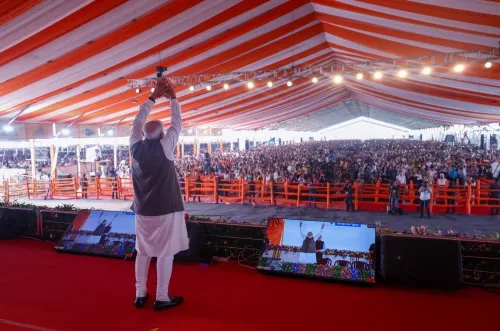
Prime Minister Narendra Modi will visit Tarakeswar in Hooghly district, approximately 62 km from Kolkata, on Saturday, 21 June 2025, to mark Paschimbanga Divas (West Bengal Day) — a choice laden with historical and political significance. The visit will double as a major welfare rollout, with the Centre set to launch several flagship agricultural schemes and release the 23rd instalment of PM-KISAN worth more than ₹18,880 crore to over 9.44 crore farmers nationwide.
Why Tarakeswar: The Historical Weight
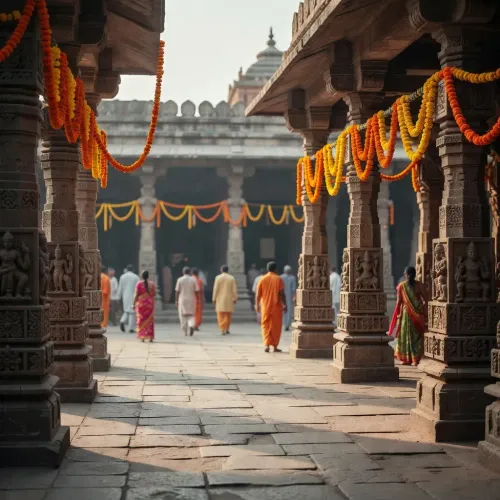
Tarakeswar is not a random venue. It was here, on 15 April 1947, that the Akhil Bharatiya Hindu Mahasabha held a pivotal meeting authorising Bharatiya Jana Sangh founder Syama Prasad Mookerjee to formally push for the partition of Bengal. At the time, Huseyn Shaheed Suhrawardy, then serving as the 'Prime Minister' of Bengal, sought to have the entire state join Pakistan, citing its majority Muslim population — Hindus comprised only 42 per cent of Bengal's population at the time.
It was Mookerjee who wrote to Lord Mountbatten opposing this, arguing that Bengal must be partitioned — even if undivided India was not — to ensure that Hindu-majority districts did not become part of Pakistan. By choosing Tarakeswar, Prime Minister Modi is widely seen as honouring Mookerjee's legacy at a moment when the Bharatiya Janata Party (BJP) has made significant electoral inroads in West Bengal.
PM-KISAN 23rd Instalment: Key Numbers
The centrepiece welfare announcement will be the release of the 23rd instalment of the Pradhan Mantri Kisan Samman Nidhi (PM-KISAN), under which more than ₹18,880 crore will be transferred directly into the bank accounts of over 9.44 crore farmers across the country. West Bengal alone will see more than ₹900 crore credited to over 45 lakh beneficiaries, taking the state's cumulative disbursement under the scheme past ₹15,000 crore. Nationally, total PM-KISAN disbursements since the scheme's launch in 2019 will cross ₹4.46 lakh crore with this instalment.
Agricultural Schemes Being Launched in West Bengal
Beyond PM-KISAN, Prime Minister Modi will roll out several Central agricultural programmes in the state. Under the Pradhan Mantri Fasal Bima Yojana, the Centre plans to extend crop insurance coverage to nearly 50 lakh farmers across approximately 14 lakh hectares of agricultural land in West Bengal in 2026–27, protecting crops with an estimated insured value of around ₹28,140 crore, backed by substantial premium subsidies.
AgriStack, part of the Digital Agriculture Mission, will also be launched in West Bengal, creating a unified digital platform for verified agricultural services — including fertiliser distribution, Kisan Credit Cards, Direct Benefit Transfers, and procurement under the Minimum Support Price (MSP) system. The platform is intended to strengthen digital governance in agriculture and streamline farmer-centric service delivery.
The National Mission on Natural Farming will be introduced in the state to promote sustainable, chemical-free agriculture drawing on traditional Indian practices. Under the approved Annual Action Plan for 2026–27, West Bengal will establish 346 natural farming clusters covering 17,300 hectares, alongside Bio-Input Resource Centres and the mobilisation of 'Krishi Sakhis' to drive adoption of eco-friendly methods.
The Pradhan Mantri Dhan-Dhaanya Krishi Yojana (PMDDKY) will also be launched, covering the districts of Purulia, Darjeeling, Alipurduar, and Jhargram. The scheme focuses on improving agricultural productivity, crop diversification, post-harvest infrastructure, irrigation, institutional credit access, and convergence of Central and state programmes for holistic rural development.
Infrastructure and Development Projects
The Prime Minister will also dedicate to the nation and lay the foundation stones of multiple development projects spanning railways, rural development, fisheries, and animal husbandry. The Union government has stated that these initiatives are aimed at strengthening infrastructure, improving livelihoods, and accelerating socio-economic development across West Bengal. The overarching theme for this year's Paschimbanga Divas is 'West Bengal: Heritage, Harmony and Development'.
Political Context
The selection of Tarakeswar carries unmistakable political undertones. This comes amid the BJP's growing footprint in West Bengal, and the venue's association with Mookerjee — an ideological ancestor of the BJP — signals a deliberate effort to embed the party's narrative in the state's historical memory. Notably, the welfare rollout accompanying the visit ensures that the political messaging is paired with direct economic benefits for millions of farmers in a state that has historically been dominated by opposition parties.
As the Centre deepens its agricultural and digital infrastructure push in West Bengal, the coming months will reveal whether these programmes translate into measurable outcomes on the ground.
Point of View
Not administrative convenience — the BJP is planting its flag in a site associated with Mookerjee's most consequential act, at a moment when the party believes West Bengal is finally within reach. What deserves scrutiny is whether the welfare rollout accompanying the symbolism — PM-KISAN instalments, crop insurance, digital agriculture — will actually reach the state's most marginalised farmers, or whether implementation gaps that have plagued Central schemes in West Bengal persist. The cumulative ₹4.46 lakh crore PM-KISAN figure is headline-worthy, but per-farmer impact and exclusion errors in beneficiary lists remain under-reported. Heritage and harmony make for a compelling theme; delivery on development is the harder test.
NationPress
19 Sept 2026
Frequently Asked Questions
Why did PM Modi choose Tarakeswar for West Bengal Day?
Tarakeswar in Hooghly district holds deep historical significance for the BJP: it was the site of the April 1947 Hindu Mahasabha meeting that authorised Syama Prasad Mookerjee — founder of the Bharatiya Jana Sangh and an ideological ancestor of the BJP — to demand the partition of Bengal. By holding Paschimbanga Divas there, Modi is seen as honouring Mookerjee's legacy while consolidating the party's presence in the state.
What is the PM-KISAN 23rd instalment and who benefits?
The 23rd instalment of the Pradhan Mantri Kisan Samman Nidhi (PM-KISAN) involves a direct transfer of more than ₹18,880 crore to over 9.44 crore farmers across India. West Bengal alone will receive over ₹900 crore for more than 45 lakh beneficiaries, taking the state's cumulative total under the scheme past ₹15,000 crore.
Which agricultural schemes are being launched in West Bengal?
PM Modi will launch four key schemes: Pradhan Mantri Fasal Bima Yojana (crop insurance for 50 lakh farmers across 14 lakh hectares), AgriStack under the Digital Agriculture Mission (unified digital platform for farmer services), National Mission on Natural Farming (346 clusters covering 17,300 hectares), and Pradhan Mantri Dhan-Dhaanya Krishi Yojana covering Purulia, Darjeeling, Alipurduar, and Jhargram districts.
What is the historical significance of Syama Prasad Mookerjee and the partition of Bengal?
Syama Prasad Mookerjee, founder of the Bharatiya Jana Sangh, opposed the plan by Bengal's then-'Prime Minister' Huseyn Shaheed Suhrawardy to merge the entire province into Pakistan. With Hindus comprising only 42 per cent of Bengal's population at the time, Mookerjee wrote to Lord Mountbatten demanding Bengal's partition to protect Hindu-majority districts. The Tarakeswar meeting in April 1947 formally authorised him to pursue this course.
What is AgriStack and how will it help West Bengal farmers?
AgriStack is a unified digital platform under the Centre's Digital Agriculture Mission that consolidates verified agricultural services — including fertiliser distribution, Kisan Credit Cards, Direct Benefit Transfers, and MSP procurement — into a single interface. Its launch in West Bengal is aimed at reducing leakages, improving targeting of benefits, and strengthening digital governance in the agricultural sector.