Mandaviya flags PM Modi's 1-crore AI skilling pledge
Synopsis
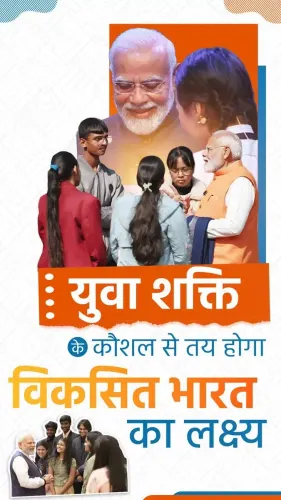
On Independence Day 2026, PM Narendra Modi pledged to train 1 crore Indian youth in AI skills within a year. Union Minister Mansukh Mandaviya amplified the commitment, signalling that delivery falls within his Labour and Youth Affairs ministry — raising immediate questions about scale, curriculum, and implementation.
Key Takeaways
PM Narendra Modi announced on 15 August 2026 that India will train 1 crore youth in AI skills within one year .
Union Minister Mansukh Mandaviya shared the pledge on X, underlining ministerial ownership of the target.
The commitment builds on the Skill India Mission (2015) and NITI Aayog's National AI Strategy (2018) .
A 1-crore annual target implies training roughly 2.7 lakh individuals per week .
Key details — implementing agencies, curriculum partners, and certification standards — are yet to be announced.
Independence Day addresses have historically been used to set time-bound skilling goals, inviting post-announcement accountability.
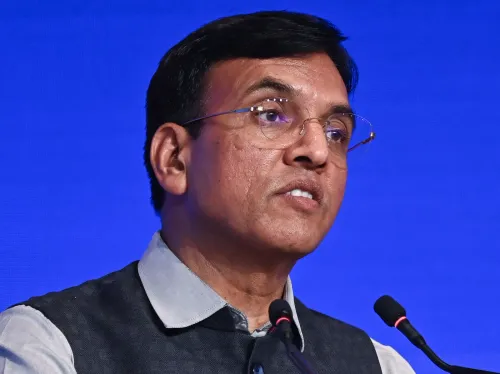
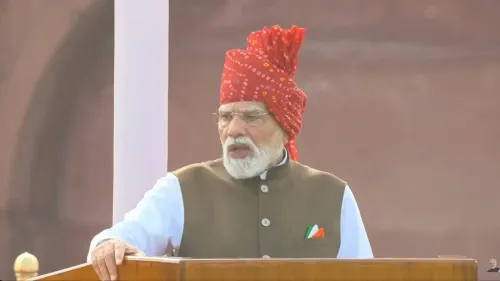
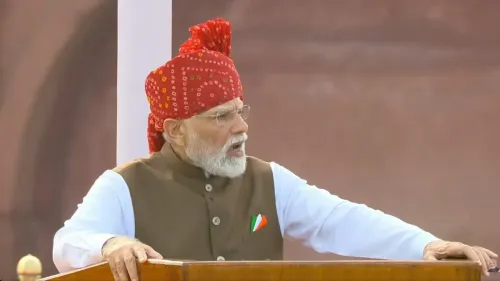
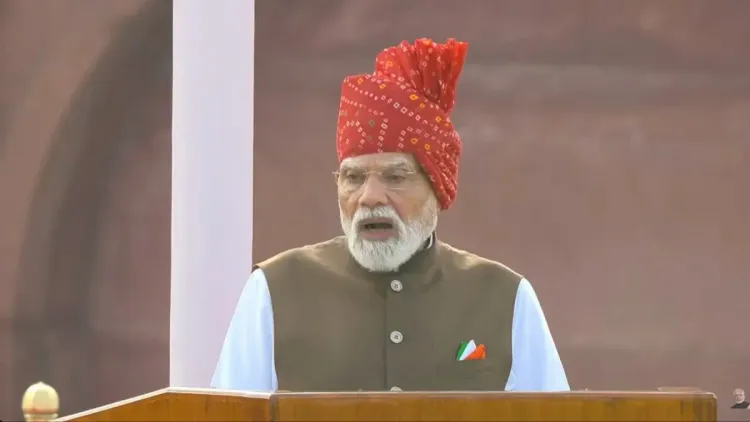
On Independence Day, 15 August 2026, Prime Minister Narendra Modi made a time-bound commitment that cuts to the heart of India's workforce future: training 1 crore young Indians in artificial intelligence skills within one year. Union Minister Mansukh Mandaviya — who holds the Labour & Employment and Youth Affairs & Sports portfolios — amplified the pledge on X, making clear that delivery falls squarely within his ministry's remit.
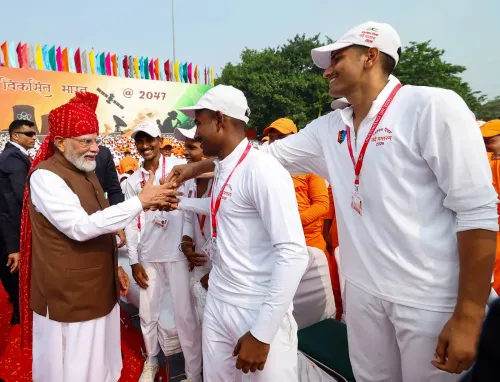
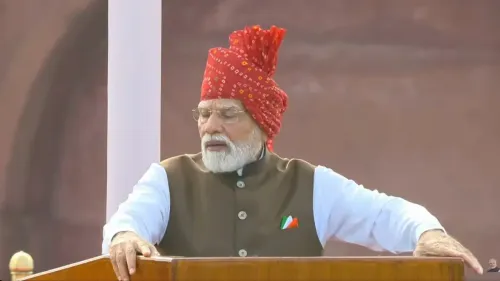
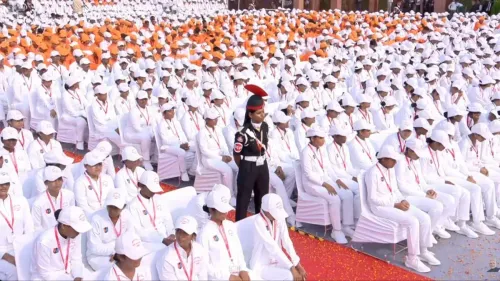
Quoting the Prime Minister directly, Mandaviya shared: 'Aane wale ek varsh mein 1 crore yuvaon ko AI skill ke liye training dene ka hum kaam karenge' — 'In the coming one year, we will work to provide AI skill training to 1 crore youth.' The Independence Day address is India's most-watched annual platform for national commitments, and a target of this scale signals that AI skilling is no longer a pilot project — it is a headline priority.
From Skill India to AI India: the policy arc
The pledge does not emerge from a vacuum. The Skill India Mission, launched in 2015, set out to train hundreds of millions in job-oriented skills across sectors. The Pradhan Mantri Kaushal Vikas Yojana (PMKVY) became its flagship vehicle, channelling training through industry-linked centres nationwide. NITI Aayog's National Strategy for Artificial Intelligence, released in 2018, laid conceptual groundwork for inclusive AI adoption — but mass AI-specific skilling at this scale would mark a decisive leap beyond earlier digital literacy and IT programmes under Digital India.
Mandaviya's ministry now sits at the intersection of both mandates: Labour & Employment on one side, Youth Affairs & Sports on the other. A 1-crore target in twelve months is an aggressive ask — roughly 2.7 lakh trainees every week — and will require clarity on implementing agencies, curriculum partners, and how enrolments are counted under existing scheme infrastructure.
Why Independence Day targets carry weight — and scrutiny
Indian governments have long used the Red Fort address to announce time-bound human-capital goals, a tradition that lends political visibility but also invites accountability. The recurring pattern — a big number, a one-year clock — means the months immediately after the announcement will be watched for operational detail: which institutions deliver the training, which industry partners validate the curriculum, and how 'AI skill' is defined for certification purposes.
India's demographic dividend — the largest youth population in the world — is either an economic accelerant or a pressure point, depending entirely on whether skills match the jobs that technology is creating and destroying simultaneously. A credible AI skilling programme at crore-scale could reposition India not just as an IT services exporter but as a domestic AI-ready workforce. The ambition is clear. The architecture still has to follow.
Point of View
Shifting the programme's centre of gravity from conventional vocational trades to frontier technology. For Mandaviya, amplifying the announcement is a political signal that his dual ministry — Labour and Youth Affairs — is the institutional home for delivery, not a peripheral actor. The real test is definitional and operational: how 'AI skill' is scoped will determine whether the target produces market-ready talent or inflated enrolment numbers. If the government can align the pledge with credible industry partnerships and a verifiable certification framework, it could meaningfully accelerate India's positioning as a global AI talent hub.
NationPress
30 Sept 2026
Frequently Asked Questions
What did PM Modi announce about AI training on Independence Day 2026?
PM Modi announced that India will train 1 crore (10 million) youth in AI skills within the coming one year , making it one of the largest AI skilling commitments announced by any government globally.
Who is responsible for implementing the AI skilling programme?
Union Minister Mansukh Mandaviya , who holds the Labour & Employment and Youth Affairs & Sports portfolios, signalled ministerial ownership by sharing the pledge. Specific implementing agencies and curriculum partners have not yet been announced.
How does this relate to the Skill India Mission?
The Skill India Mission , launched in 2015 , is the broader framework under which large-scale youth training has been delivered. The AI skilling target extends that mission into artificial intelligence, going beyond earlier digital literacy efforts under Digital India.
What is the scale of the 1-crore AI training target?
Training 1 crore youth in one year means enrolling approximately 2.7 lakh individuals every week — a pace that will require substantial institutional capacity, industry partnerships, and a defined curriculum.
What should we watch for after this announcement?
Key details to watch include the implementing agencies , the definition of 'AI skill' for certification, industry curriculum partners , and how enrolments are tracked under existing schemes such as PMKVY in the months following the Independence Day address.