Modi revives Rahul Gandhi's 'aloo se sona' jibe at Banaskantha farmers rally
Synopsis
PM Modi turned Rahul Gandhi's infamous 2017 'potato to gold' remark into a political punchline at Bhildi, telling Banaskantha farmers they were already delivering what Gandhi had only promised. With Narmada water, drip irrigation, a French fry plant expansion, and Banas Dairy upgrades, the visit blended political point-scoring with concrete agricultural infrastructure in a key Gujarat district.
Key Takeaways
PM Modi at Bhildi, Banaskantha on 30 October revived Rahul Gandhi's 2017 'potato to gold' remark, saying local farmers were already achieving it.
Gandhi's original 'aloo se sona' comment was made on 12 November 2017 in Patan district during the Gujarat Assembly election campaign.
Modi inaugurated the expansion of a potato-processing French fry plant at Sanadar , which will increase potato procurement from farmers.
The government's horticulture cluster development programme has approved 12 clusters for crops including potatoes; 2 clusters are in North Gujarat .
Modi also inaugurated an automated storage system at Banas Dairy's Palanpur facility and laid the foundation for two Bio-CNG plants .
Narmada water and drip irrigation were credited with transforming Banaskantha into a major potato-producing hub.
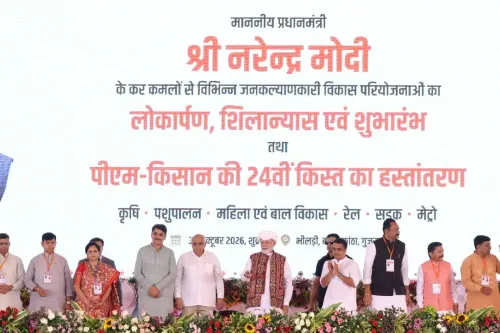
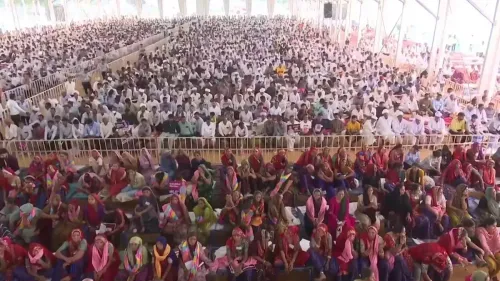
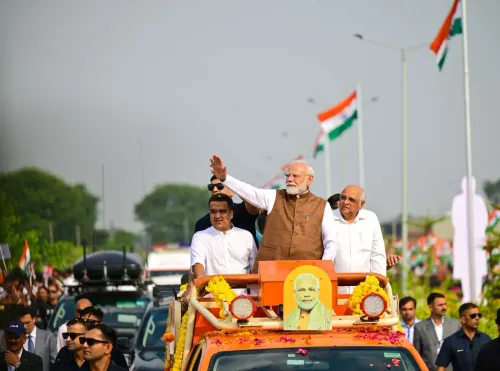
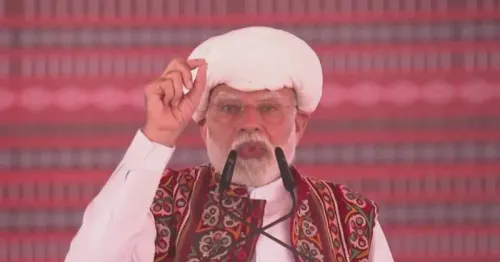
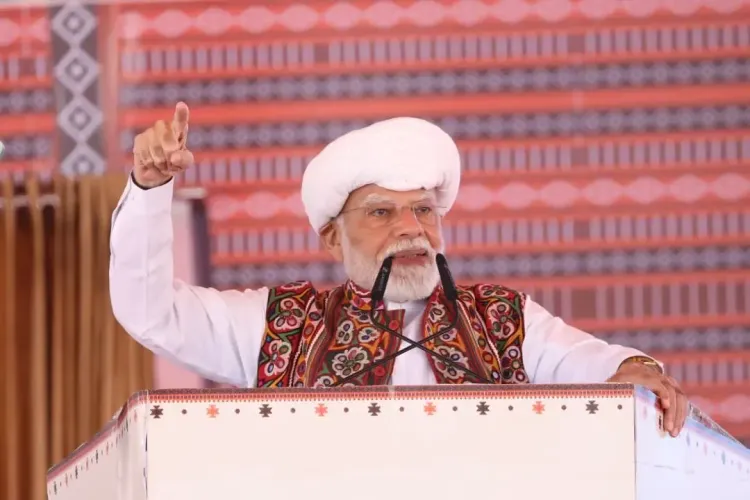
Prime Minister Narendra Modi on Friday, 30 October invoked Congress leader Rahul Gandhi's controversial 'potato to gold' remark from 2017, telling a gathering at Bhildi in Gujarat's Banaskantha district that local farmers were already turning potatoes into gold through their own hard work — without anyone's promise. The remarks came during Modi's visit to Banaskantha, where he inaugurated and laid the foundation stones for several agricultural and dairy infrastructure projects.
The Political Barb and Its Origin
The jibe traces back to 12 November 2017, when Rahul Gandhi, while campaigning in Patan district, made the 'potato in, gold out' remark — a statement that drew widespread ridicule and became a recurring political reference point. Modi, addressing the Bhildi crowd, turned the phrase on its head. 'Banaskantha's potatoes are now famous across the world. Nobody needs to come here and say they will make gold out of potatoes. The people here can say that they are already doing it,' Modi said, drawing applause from the gathering.
The remark was a pointed reminder of the 2017 controversy, delivered in the very state where Gandhi had made the original comment during the Gujarat Assembly election campaign.
Agricultural Transformation in Banaskantha
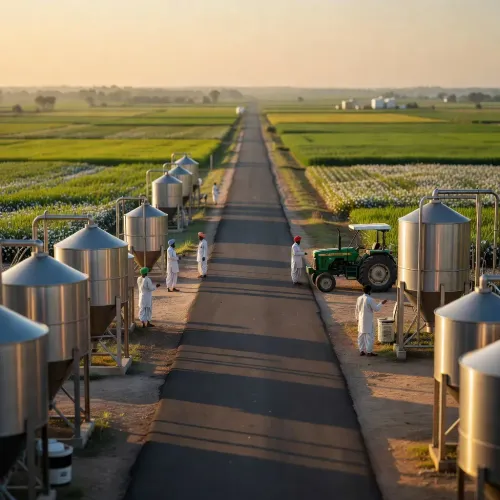
Modi credited the availability of Narmada water and the adoption of modern techniques such as drip irrigation for transforming Banaskantha's agricultural landscape. The region has grown into a major potato-producing hub, with its produce now reportedly reaching international markets. He also recalled that during his early years as Gujarat Chief Minister, he had faced protests when he urged farmers to conserve water and electricity — a stance that, he argued, had since been vindicated by the region's agricultural prosperity.
The Prime Minister pointed to the government's horticulture cluster development programme, under which 12 clusters have been approved for crops including tomatoes, potatoes, chillies, grapes, bananas, onions, oranges, pomegranates and cocoa. Two of these clusters are in North Gujarat and are expected to directly benefit potato farmers in Banaskantha and Sabarkantha districts. The programme offers subsidies for establishing new orchards and rejuvenating existing plantations.
Potato Processing Plant Expansion at Sanadar
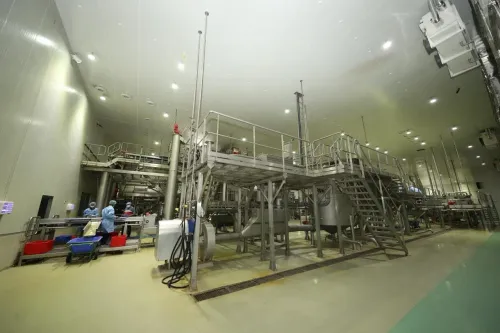
Among the projects inaugurated during the visit was the expansion of a potato-processing plant at Sanadar, which manufactures French fries. Modi said the expanded facility would increase the plant's procurement capacity, providing potato growers with an additional and more stable market. 'The expansion will increase the plant's capacity and allow it to procure more potatoes from farmers,' he said. The project forms part of a broader effort to link agricultural production with food processing and improve the value chain for farmers.
Banas Dairy and Other Inaugurations
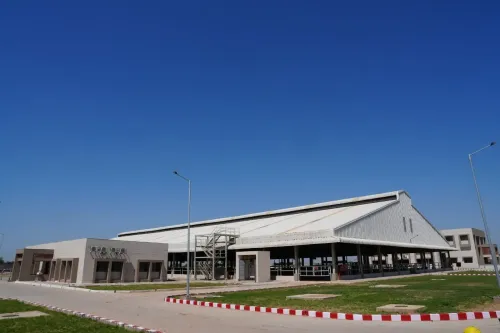
Modi also highlighted the work of the Banas Dairy cooperative, noting that its impact had extended well beyond Gujarat. He specifically mentioned Varanasi — his own parliamentary constituency — as one of the regions that had benefited from the dairy's experience and services. During the visit, he inaugurated a new automated storage and retrieval system for ultra-high-temperature milk products at Banas Dairy's Palanpur facility, and laid the foundation stone for two Bio-CNG plants that will process cattle dung into energy.
As the government pushes to connect farming communities with processing infrastructure and cooperative networks, the Banaskantha visit signals continued political focus on Gujarat's agricultural hinterland ahead of future electoral cycles.
Point of View
But linking farm-gate prices to processing capacity is precisely where past agricultural schemes have struggled to deliver. The visit, timed close to Gujarat's political calendar, blurs the line between infrastructure inaugurations and electoral mobilisation — a pattern that critics argue skews public investment announcements toward poll cycles rather than developmental need.
NationPress
30 Oct 2026
Frequently Asked Questions
What is the 'aloo se sona' remark that PM Modi referred to in Banaskantha?
The 'aloo se sona' (potato to gold) remark was made by Congress leader Rahul Gandhi during a campaign speech in Patan district, Gujarat, on 12 November 2017. Gandhi suggested a machine could convert potatoes into gold, a comment that was widely ridiculed and became a long-running political reference. Modi invoked it at Bhildi on 30 October to argue that Banaskantha farmers were already achieving what Gandhi had only promised.
What projects did PM Modi inaugurate in Banaskantha on 30 October?
PM Modi inaugurated the expansion of the potato-processing French fry plant at Sanadar, a new automated storage and retrieval system for ultra-high-temperature milk products at Banas Dairy's Palanpur facility, and laid the foundation stone for two Bio-CNG plants that will process cattle dung. He also highlighted the horticulture cluster development programme covering 12 crop clusters.
How has Banaskantha's agriculture changed in recent years?
Banaskantha has transformed into one of Gujarat's major potato-producing hubs, aided by access to Narmada water and the adoption of modern micro-irrigation techniques including drip irrigation. These changes have helped farmers expand output and access both domestic and international markets for their produce.
What is the horticulture cluster development programme mentioned by PM Modi?
The horticulture cluster development programme is a central government initiative under which 12 clusters have been approved for crops including tomatoes, potatoes, chillies, grapes, bananas, onions, oranges, pomegranates and cocoa. Two clusters in North Gujarat are expected to benefit potato farmers in Banaskantha and Sabarkantha, with subsidies provided for new orchards and rejuvenation of existing ones.
What is the significance of the Banas Dairy cooperative in this context?
Banas Dairy is a Gujarat-based cooperative whose model has reportedly expanded beyond the state. PM Modi noted that its experience and services had benefited regions including Varanasi, his parliamentary constituency. The newly inaugurated automated storage system at its Palanpur facility is intended to enhance its ultra-high-temperature milk product handling capacity.