Giriraj Singh highlights PM Modi's textile gifts in Seychelles
Synopsis
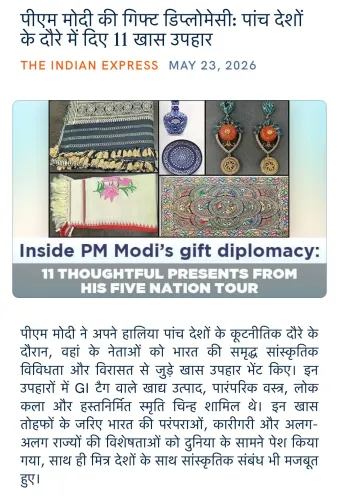
Union Textiles Minister Giriraj Singh spotlighted PM Modi's diplomatic gifts of GI-tagged Kanchivaram silk and Toda shawls during his Seychelles visit, reinforcing India's use of heritage handlooms as soft-power tools in Indian Ocean diplomacy.
Key Takeaways
Giriraj Singh , Union Textiles Minister, shared details of PM Modi's textile gifts during the Seychelles visit on 1 July 2026 .
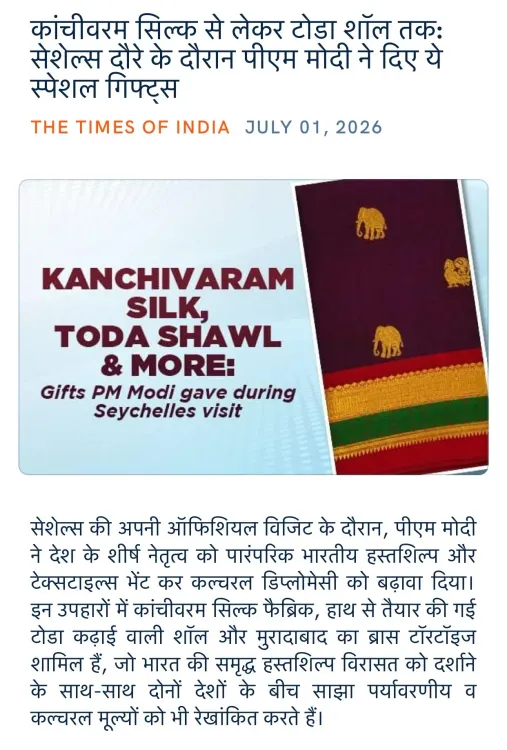
Gifts included Kanchivaram silk from Tamil Nadu and the Toda shawl from the Nilgiris, both carrying GI tags.
India routinely uses GI-tagged handlooms as soft-power instruments during bilateral visits, especially with Indian Ocean partners.
The practice supports handloom weavers and textile exporters by generating international visibility for Indian craft clusters.
India's engagement with Seychelles is framed under the SAGAR doctrine, emphasising maritime and cultural cooperation.
Follow-up cultural-exchange or textile-trade agreements from the visit are being watched by the sector.
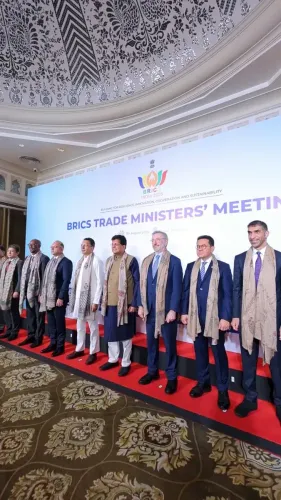
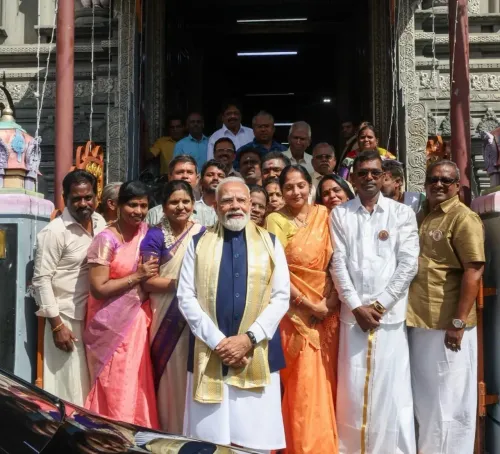
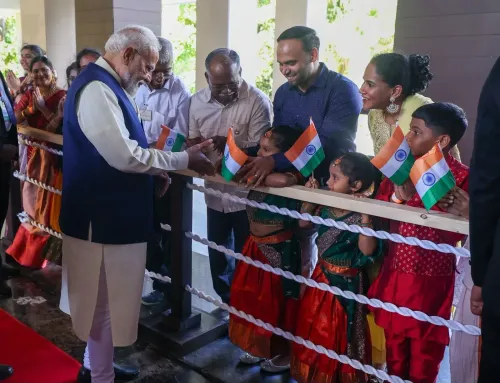
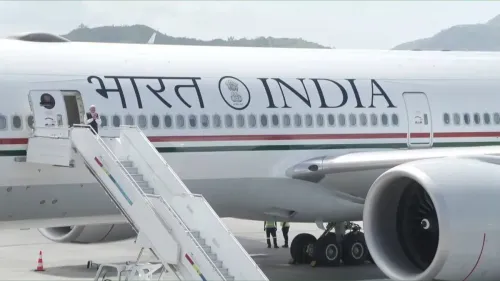
Union Textiles Minister Giriraj Singh on Wednesday, 1 July 2026, drew attention to the carefully chosen traditional Indian textiles that Prime Minister Narendra Modi presented as diplomatic gifts during his visit to Seychelles, spotlighting Kanchivaram silk and Toda shawls as instruments of cultural outreach.
Context
The minister shared a report highlighting the gifts PM Modi carried to the Indian Ocean archipelago nation, which included the famed Kanchivaram silk from Tamil Nadu and the distinctive Toda shawl from the Nilgiris hills. Both items carry Geographical Indication (GI) tags, certifying their authenticity and regional origin. The gesture places Indian handloom heritage at the centre of bilateral diplomacy.
Giriraj Singh's decision to amplify the story underscores his ministry's consistent effort to link India's textile sector with the country's foreign-policy footprint. As Union Textiles Minister, he has championed the visibility of GI-tagged handlooms on every available platform.
Policy Backdrop
Kanchipuram, a town in Tamil Nadu, is globally recognised for its heavy silk sarees woven with zari work — a product that has long served as a prestige gift in Indian statecraft. The Toda community of the Nilgiris produces embroidered shawls using a centuries-old needlework tradition, making the Toda shawl one of India's most distinctive craft exports.
India has a well-established pattern of deploying GI-tagged handlooms and crafts as soft-power instruments during bilateral visits, particularly with Indian Ocean and African partner nations. This approach simultaneously advances cultural diplomacy and creates market visibility for weavers and artisans under ongoing export-promotion frameworks. The practice has been a consistent feature of Indian foreign visits across administrations.
Seychelles holds strategic importance for India under the SAGAR (Security and Growth for All in the Region) doctrine, which frames New Delhi's engagement with Indian Ocean neighbours through maritime cooperation, people-to-people ties, and cultural exchange.
Stakeholders and Impact
The most direct beneficiaries of such diplomatic showcasing are India's handloom weavers — particularly the silk-weaving clusters of Kanchipuram and the Toda artisans of the Nilgiris. When a GI-tagged product appears in a high-profile bilateral context, it generates international awareness that can translate into export inquiries and broader market access.
Textile exporters and craft councils also stand to gain, as prime ministerial endorsement of specific products during overseas visits often spurs institutional follow-up, including buyer-seller meets and cultural-exchange memoranda. For the Ministry of Textiles, each such occasion is an opportunity to position Indian handlooms within a premium, heritage-driven global narrative.
What's Next
Attention will now turn to any joint statements or cultural-exchange programmes announced as part of the India-Seychelles bilateral framework following the visit. Formal textile-trade or craft-promotion agreements, if any emerge, would represent a concrete policy outcome from the diplomatic gifting exercise.
For the handloom sector, sustained ministerial communication — such as Giriraj Singh's post — keeps the spotlight on weavers and artisans beyond the immediate news cycle, reinforcing the government's broader narrative of textiles as a pillar of India's soft power.
Point of View
The minister reinforces a broader government narrative that positions Indian handlooms as heritage assets worthy of global prestige. This pattern of textile diplomacy has intensified under the current administration, with each bilateral visit serving as a platform to showcase craft clusters that also happen to be electorally significant constituencies. The move signals that the Textiles Ministry intends to remain a visible stakeholder in India's soft-power architecture, not merely a domestic industry regulator.
NationPress
30 Sept 2026
Frequently Asked Questions
What gifts did PM Modi give during his Seychelles visit?
PM Modi presented GI-tagged Kanchivaram silk from Tamil Nadu and a Toda shawl from the Nilgiris hills as diplomatic gifts during his Seychelles visit, according to details shared by Union Textiles Minister Giriraj Singh.
What is a Toda shawl and why is it significant?
The Toda shawl is a hand-embroidered textile made by the Toda tribal community of the Nilgiris in Tamil Nadu. It carries a GI tag certifying its authenticity and is considered one of India's most distinctive craft traditions.
Why does India give handloom products as diplomatic gifts?
India uses GI-tagged handlooms as soft-power instruments to promote cultural heritage, raise the international profile of weaving communities, and create market visibility for textile exporters during high-profile bilateral visits.
What is India's SAGAR doctrine and how does it relate to Seychelles?
SAGAR — Security and Growth for All in the Region — is India's framework for engaging Indian Ocean neighbours through maritime cooperation, development assistance, and people-to-people ties. Seychelles is a key partner under this doctrine.
What is Giriraj Singh's role in India's textile sector?
Giriraj Singh is India's Union Minister of Textiles and a senior BJP leader and Lok Sabha MP from Begusarai, Bihar . He oversees handloom promotion, GI-tag certification, and textile export policy.