Mandaviya backs PM Modi's 100-week anti-drug movement call
Synopsis
Union Minister Mansukh Mandaviya amplified PM Modi's vision of a 100-week anti-drug movement, urging social, spiritual and youth organisations to each own one week of sustained outreach — building on the Nasha Mukt Bharat Abhiyan launched in 2020.
Key Takeaways
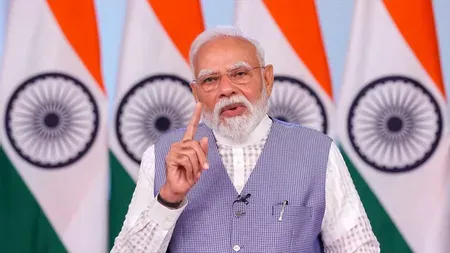
Union Minister Mansukh Mandaviya shared PM Narendra Modi 's call for a 100-week de-addiction movement on 2 August 2026 .
The model asks each social, spiritual, or youth organisation to own one week of outreach, creating a near-two-year continuum of action.
The hashtag #NashaMuktYuva signals the campaign is aimed specifically at younger Indians.
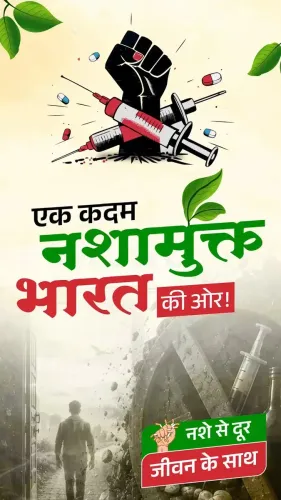
The Nasha Mukt Bharat Abhiyan , launched 15 August 2020 , already covers 272 districts and provides the existing policy foundation.
The next step is whether the Ministry of Social Justice or state governments formalise a week-by-week roster for organisations.
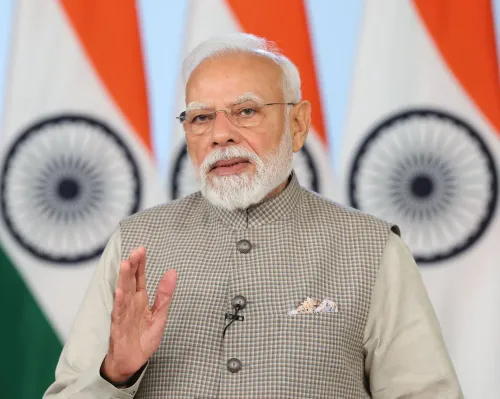
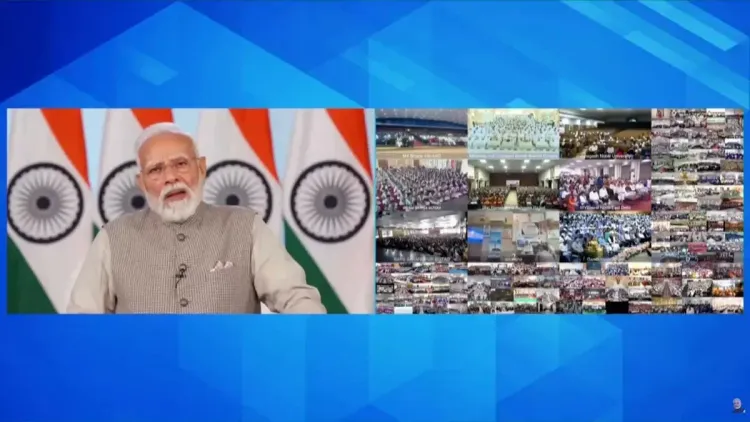
A hundred weeks, one shared mission — and a challenge thrown to every social, spiritual, and youth organisation in India. Union Minister Mansukh Mandaviya on Sunday, 2 August 2026, amplified a call by Prime Minister Narendra Modi urging civil-society groups to each own one week of a nationwide drive to free India's youth from substance abuse.
The quote shared by Mandaviya captures Modi's vision directly: 'Aane waale 100 saptaah mein agar hamare saamajik, aadhyaatmik aur yuva sangathan ek-ek saptaah ki zimmedaari lein, toh desh mein nasha mukti ke liye ek bahut bada aandolan khada ho jaayega.' — 'If our social, spiritual and youth organisations each take responsibility for one week over the coming 100 weeks, a very large movement for de-addiction will rise in this country.'
The 100-week architecture of a national movement
The proposal is structurally elegant: roughly 100 organisations, each anchoring one week of sustained outreach, stitched together into a near-two-year continuum of public pressure. It bypasses the calendar-event trap — the one-day awareness rally that fades by evening — and instead demands sustained, rotating ownership from institutions that already command community trust.
Mandaviya, who holds the Youth Affairs and Sports portfolio alongside Labour, is a natural relay point for this message. Youth-facing ministries have long been expected to bridge government intent and ground-level civil-society energy, and the hashtag #NashaMuktYuva signals that this moment is aimed squarely at younger Indians.
Nasha Mukt Bharat Abhiyan: the policy foundation already in place
The call does not land on bare ground. The Nasha Mukt Bharat Abhiyan, launched on 15 August 2020 by the Ministry of Social Justice and Empowerment, already established the template — mobilising students, women's groups, and youth networks across 272 districts through awareness camps and treatment linkages. The 100-week model would layer civil-society accountability on top of that existing state architecture.
India's approach to drug de-addiction has consistently been multi-ministerial rather than purely health-sector: enforcement, awareness, and community partnership running in parallel. The Modi framing fits that pattern — but adds a clock and a distributed ownership model that previous campaigns have not formally codified.
What organisations and state governments do next
The operative question now is whether the Ministry of Social Justice or state governments formalise a roster — assigning specific weeks to listed organisations within the 100-week window. Without that, the call remains aspirational. With it, the movement has a backbone. Mandaviya's post is an early signal that the political will to push this further exists at the cabinet level.
One hundred weeks is a long runway. Whether India's social and spiritual institutions choose to run it — together — will define whether this becomes a genuine aandolan or another well-intentioned hashtag.
Point of View
Defined timeline, which is structurally harder to ignore than a single national day. Mandaviya's amplification is politically significant: it signals that the Youth Affairs ministry intends to be an active driver, not merely a relay, of the Nasha Mukt agenda. The real test is operationalisation — whether a formal roster of organisations and weeks is gazetted or publicly committed to. If it remains a motivational call without a binding framework, it risks joining a long list of well-intentioned anti-drug pronouncements that generated heat but not sustained movement.
NationPress
17 Sept 2026
Frequently Asked Questions
What is the 100-week anti-drug movement PM Modi talked about?
PM Modi proposed that roughly 100 social, spiritual and youth organisations each take responsibility for one week of de-addiction outreach, creating a continuous, near-two-year national movement against substance abuse.
What is the Nasha Mukt Bharat Abhiyan?
The Nasha Mukt Bharat Abhiyan is a flagship anti-drug campaign launched on 15 August 2020 by the Ministry of Social Justice and Empowerment, initially targeting 272 districts through awareness drives and treatment camps.
Why did Mansukh Mandaviya share this post?
As Union Minister for Youth Affairs and Sports, Mandaviya frequently amplifies PM Modi's statements on social issues affecting young Indians, and the campaign's #NashaMuktYuva focus falls directly within his portfolio.
Which organisations are being asked to participate in the 100-week drive?
PM Modi's call is directed at social, spiritual and youth organisations across India, though a formal roster assigning specific weeks to specific groups has not yet been publicly announced.
What is #NashaMuktYuva?
#NashaMuktYuva is the campaign hashtag used to promote India's youth-focused de-addiction movement, connecting civil-society outreach efforts under a single digital identity.