Modi's five-nation tour: BJP says visit will deliver diplomatic fix for fuel crisis
Synopsis
With crude prices surging and the West Asia conflict showing no signs of abating, Modi's five-nation sweep — from Gulf energy hubs to European diplomatic capitals — is India's most ambitious energy-diplomacy push in recent memory. BJP leaders are framing it as a potential turning point, but the real test is whether goodwill translates into lower prices at the pump.
Key Takeaways
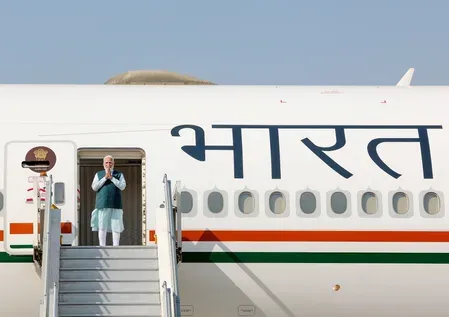
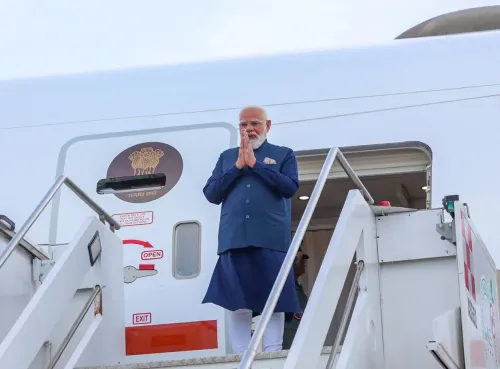
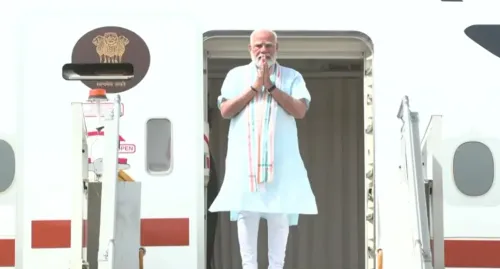
PM Narendra Modi began a five-nation tour from 15 to 20 May , covering the UAE , Netherlands , Sweden , Norway , and Italy .
The visit focuses on energy, defence, technology, green transition, and trade partnerships.
BJP leaders say the tour will bring a 'diplomatic solution' to the global fuel crisis caused by the West Asia conflict .
Bihar Minister Dilip Jaiswal confirmed Modi had already appealed to citizens to cut diesel and petrol consumption amid the global crude surge.
BJP MP Ghulam Ali Khatana cited improved investment interest from Russia, the US, the Middle East, and the EU since 2014 .
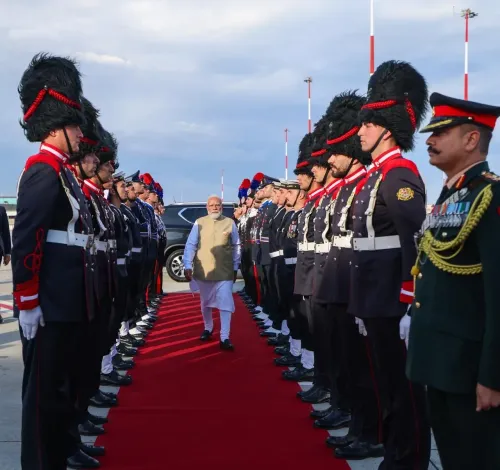
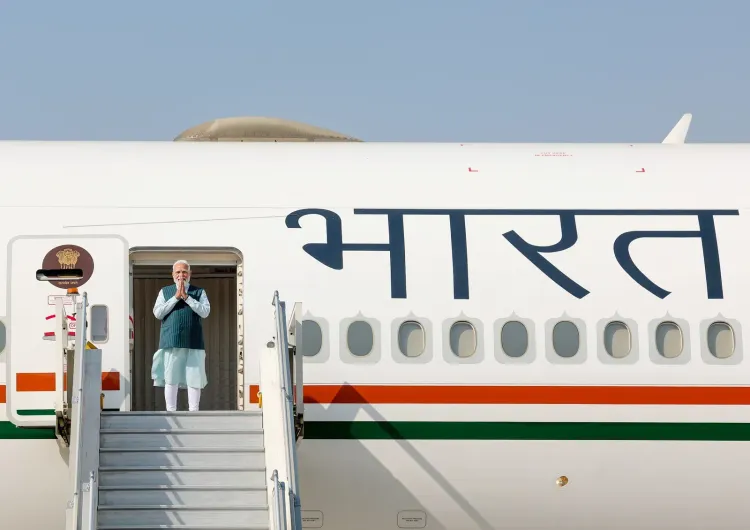
Prime Minister Narendra Modi embarked on a five-nation tour from 15 May to 20 May, covering the UAE, the Netherlands, Sweden, Norway, and Italy, as Bharatiya Janata Party (BJP) leaders expressed confidence that the visit will advance India's interests and yield a diplomatic resolution to the fuel crisis stemming from the ongoing West Asia conflict. The tour aims to deepen India's strategic and economic partnerships across energy, defence, technology, green transition, and trade.
Key Objectives of the Tour
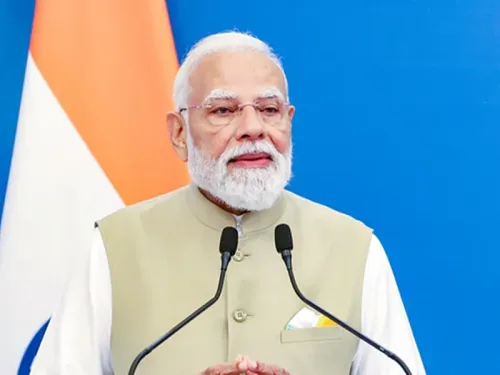
The five-nation itinerary reflects India's push to diversify its energy partnerships and reinforce bilateral ties at a moment when crude oil prices have surged globally. BJP MP Praveen Khandelwal said the visit was 'certainly very important for India' given the ongoing West Asia conflict, adding that Modi would 'strongly present India's viewpoint' to strengthen the country's international standing.
Bihar Minister Dilip Jaiswal noted that Modi had already appealed to citizens to reduce diesel and petrol consumption in response to the global price surge. 'The initiative based on PM Modi's appeal has already begun,' Jaiswal said, adding that the Gulf leg of the tour was specifically aimed at finding a diplomatic solution to the energy issue.
UAE Visit: Indian Diaspora in Focus
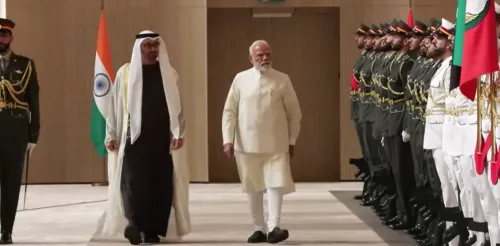
Bihar Minister Ram Kripal Yadav highlighted the significance of the UAE stop, pointing to the large Indian diaspora living and working there. 'The Prime Minister is working towards strengthening diplomatic ties,' he said. The UAE is a critical energy supplier and home to one of the world's largest Indian communities, making it a pivotal stop on the tour.
Broader Diplomatic and Trade Significance
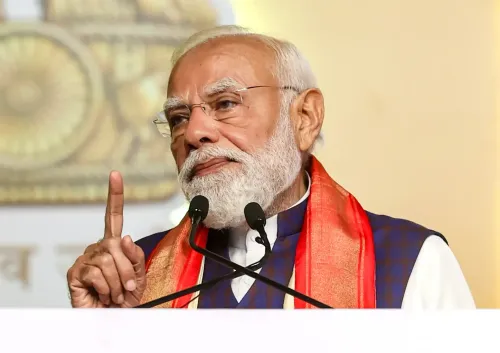
Uttar Pradesh Assembly Speaker Satish Mahana said the visit would prove 'successful in terms of the country's welfare, involving international relations, trade and the ongoing global crisis.' BJP MP Rahul Sinha went further, asserting that the tour would 'play a significant role in world peace.'
BJP MP Ghulam Ali Khatana cited what he described as a marked improvement in India's global standing since Modi assumed office in 2014. 'Nations which earlier did not do trade with us are now willing to invest in India,' he said, pointing to increased engagement from Russia, the United States, Middle Eastern countries, and the European Union.
Context: India's Energy Exposure
India is among the world's largest importers of crude oil, making it acutely sensitive to price volatility triggered by geopolitical conflict. This is the latest in a series of high-stakes diplomatic missions Modi has undertaken during periods of global energy stress. Notably, the tour spans both Gulf energy producers and European nations that are central to the West Asia conflict's diplomatic architecture — a dual-track approach that signals India's intent to engage all relevant parties without taking sides.
How much the visit translates into concrete energy relief or price stability for Indian consumers will become clearer in the weeks following Modi's return.
Point of View
Not bilateral goodwill. The Gulf leg has genuine utility: the UAE can influence supply signals and India needs to protect its diaspora's remittance flows. But the European stops — Sweden, Norway, Netherlands — are more about green energy and trade diversification than immediate fuel relief. The risk is that a tour designed to serve multiple strategic goals gets judged by the narrowest one: petrol prices. If those don't ease, the diplomatic optics will not survive the domestic political test.
NationPress
14 Sept 2026
Frequently Asked Questions
Which countries is PM Modi visiting on his five-nation tour?
PM Modi is visiting the UAE, the Netherlands, Sweden, Norway, and Italy between 15 and 20 May. The tour covers energy, defence, technology, green transition, and trade as its primary focus areas.
Why is PM Modi's five-nation tour significant amid the West Asia conflict?
The West Asia conflict has driven a global surge in crude oil prices, directly impacting India as one of the world's largest oil importers. BJP leaders say the tour is aimed at securing a diplomatic solution to ease the energy crisis, with the Gulf leg particularly focused on energy supply discussions.
What has the Indian government asked citizens to do about fuel prices?
According to Bihar Minister Dilip Jaiswal, PM Modi has appealed to citizens to voluntarily reduce their consumption of diesel and petrol in response to the global crude oil price surge. He said the initiative based on that appeal had already begun.
How does the UAE fit into PM Modi's tour?
The UAE is a critical energy supplier to India and home to one of the world's largest Indian diaspora communities. Bihar Minister Ram Kripal Yadav highlighted both factors as reasons why the UAE stop is especially significant for India's interests.
What has changed in India's global trade relationships since 2014, according to BJP?
BJP MP Ghulam Ali Khatana said countries including Russia, the United States, Middle Eastern nations, and the European Union have significantly increased their investment interest in India and opened their markets since PM Modi took office in 2014, reflecting what he described as a transformation in India's diplomatic standing.