CM Mohan Yadav Hands Appointment Letters to 63 Mining Inspectors
Synopsis
Madhya Pradesh CM Dr. Mohan Yadav handed appointment letters to 63 new mining inspectors in the Mineral Resources Department on 24 September 2026, citing 85,000 youth employed in the state over the past year.
Key Takeaways
63 newly selected mining inspectors received appointment letters from CM Dr.
Mohan Yadav on 24 September 2026 .
The appointments are within the Madhya Pradesh Mineral Resources Department , a key regulatory body in one of India's leading mineral-producing states.
Yadav stated the government has provided employment to 85,000 young people in Madhya Pradesh over the past one year.
BJP minister Krishna Gaur was present at the appointment ceremony.
Madhya Pradesh holds significant reserves of coal, limestone, bauxite and diamonds, making a strong mining inspectorate critical to state revenue.
The recruitment continues a pattern of departmental hiring in technical sectors under the BJP government since December 2023 .
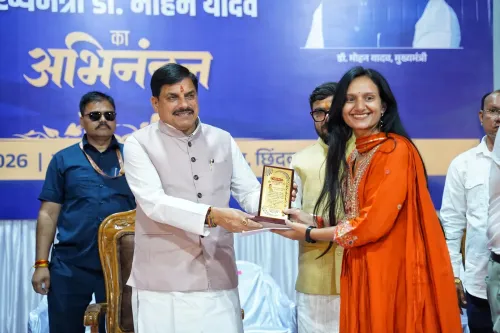
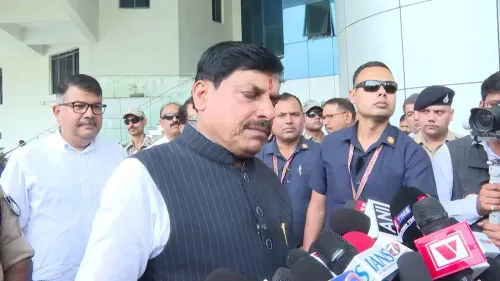
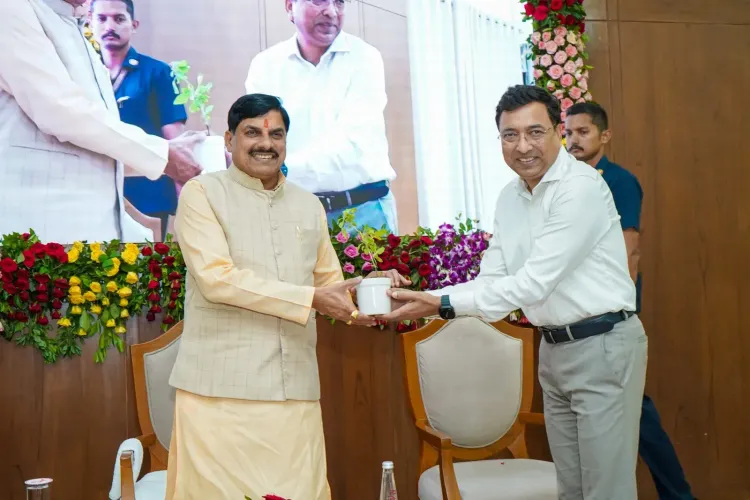
Sixty-three young professionals walked into government service on Thursday, 24 September 2026, as Madhya Pradesh Chief Minister Dr. Mohan Yadav personally distributed appointment letters to newly selected mining inspectors in the state's Mineral Resources Department — framing the occasion not merely as a job offer, but as an entry into public service.
A posting letter and a larger message
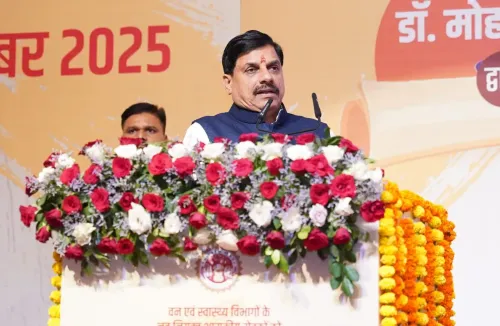
Speaking at the event, Dr. Mohan Yadav told the recruits that they were not simply receiving employment — they were beginning a new identity. 'सेवा का एक नया अवसर' ('a new opportunity for service'), he said, was the real reward. The ceremony was attended by BJP leader and Madhya Pradesh minister Krishna Gaur, underscoring the political importance the state government attaches to visible employment milestones.
The Chief Minister also cited a broader jobs figure: 85,000 young people have been provided employment across the state over the past one year, positioning this batch of 63 mining inspectors as part of a continuing push rather than a standalone gesture.
Why mining inspectors matter in MP
Madhya Pradesh is among India's leading mineral-producing states, sitting atop significant reserves of coal, limestone, bauxite and diamonds. The Mineral Resources Department regulates extraction, monitors compliance and drives revenue collection from this sector — making a well-staffed inspectorate a direct lever on both governance quality and state finances.
State governments in India periodically strengthen their mining inspectorates after elections to sharpen regulatory oversight. The current batch follows a pattern of departmental recruitments in technical and administrative posts that the BJP government in Madhya Pradesh has prioritised since Dr. Yadav assumed office in December 2023.
Employment as a political scorecard
Public appointment ceremonies have become a deliberate communication tool for state administrations — a way to put a human face on job numbers that can otherwise feel abstract. By distributing letters in person, Dr. Yadav converts a bureaucratic transaction into a prime-time image of delivery. Every appointment letter photographed becomes evidence in the government's running argument that its pro-employment commitments are being met in real time.
Sixty-three roles may be a modest count in a state of nearly 85 million people, but for a department as consequential as mineral resources, each inspector on the ground translates directly into enforcement capacity — and, ultimately, into the royalties and levies that fund the state's development budget.
The next test: whether further recruitment notifications from the Mineral Resources Department arrive before the year is out, and whether the government's cumulative employment tally holds up to scrutiny as election cycles draw closer.
Point of View
Photographable act of delivery. For Dr. Mohan Yadav, who assumed office in late 2023 and needs to build his own electoral identity ahead of future cycles, each such ceremony adds texture to a 'jobs CM' narrative. Madhya Pradesh's mineral wealth means a stronger inspectorate also serves a fiscal logic, not just a political one — better regulatory coverage can meaningfully lift royalty collection. The broader claim of 85,000 jobs in a year will, however, face greater scrutiny as the government's tenure matures and opposition parties demand auditable breakdowns.
NationPress
24 Sept 2026
Frequently Asked Questions
How many mining inspectors were appointed in Madhya Pradesh in September 2026?
63 new mining inspectors were appointed to the Madhya Pradesh Mineral Resources Department, with Chief Minister Dr. Mohan Yadav personally distributing their appointment letters on 24 September 2026 .
What does a mining inspector do in Madhya Pradesh?
Mining inspectors under the Madhya Pradesh Mineral Resources Department regulate mineral extraction, monitor compliance with mining laws, and help the state government collect royalties and levies from its significant mineral reserves including coal, limestone, bauxite and diamonds.
How many youth has the Madhya Pradesh government employed in the last year?
Chief Minister Dr. Mohan Yadav stated that the Madhya Pradesh government has provided employment to 85,000 young people over the past one year. This figure was cited at the mining inspector appointment ceremony.
Who is Krishna Gaur and why was he at the mining inspector event?
Krishna Gaur is a BJP leader and minister in the Madhya Pradesh government. He was present at the appointment letter distribution ceremony alongside Chief Minister Dr. Mohan Yadav on 24 September 2026.
When did Dr. Mohan Yadav become Chief Minister of Madhya Pradesh?
Dr. Mohan Yadav assumed office as Chief Minister of Madhya Pradesh in December 2023 after the BJP's victory in the state assembly elections.