MP CM Mohan Yadav Pitches State for Chemicals & Petrochemicals Boom
Synopsis
Chief Minister Mohan Yadav declared on October 22, 2026 that Madhya Pradesh is ready to attract chemicals and petrochemicals investment, citing the state's industrial infrastructure and investor-friendly policies under PM Modi's national manufacturing push.
Key Takeaways
Mohan Yadav positioned Madhya Pradesh as an investment destination for the chemicals and petrochemicals sector on October 22, 2026 .
The sector is described as a key enabler of agriculture, health, energy and manufacturing — and a source of new employment.
India's PCPIR policy (2007) and the Make in India initiative (2014) form the central framework within which the state is positioning itself.
Madhya Pradesh's pitch rests on its industrial infrastructure, single-window investment environment, and industry-supportive policies.
The chemicals sector's link to agriculture holds particular significance for MP, one of India's largest farming states.
Formal PCPIR or chemical cluster proposals from Madhya Pradesh will be the next concrete indicator of whether this positioning leads to action.
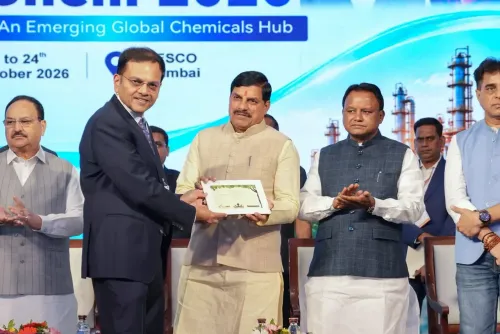
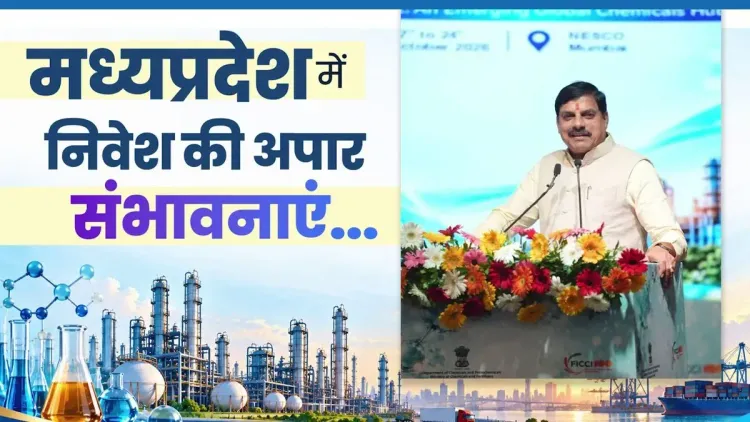
Madhya Pradesh is positioning itself as a prime destination for chemicals and petrochemicals investment — and Chief Minister Dr. Mohan Yadav is making sure the country knows it. On Thursday, October 22, 2026, the Chief Minister's Office of Madhya Pradesh posted on X, with CM Yadav citing the sector's expanding role across agriculture, health, energy, and manufacturing as the state signals readiness to capture a larger slice of India's industrial growth story.
Posting in Hindi, CM Yadav declared: 'Under the visionary leadership of Prime Minister Narendra Modi, the chemicals and petrochemicals sector is expanding. This sector is strengthening various fields including agriculture, health, energy and manufacturing, while also creating new employment opportunities. Madhya Pradesh, too, is ready to realise new investment possibilities in the chemicals and petrochemicals sector — with its industrial infrastructure, investment-friendly environment and industry-supportive policies.'
Why Madhya Pradesh wants a seat at the petrochemicals table
India's chemicals and petrochemicals sector sits at the foundation of its broader manufacturing economy — feeding raw materials into pharmaceuticals, fertilisers, plastics, paints, and synthetic textiles. The sector's strategic importance is why the central government introduced the Petroleum, Chemicals and Petrochemicals Investment Regions (PCPIR) policy as far back as 2007, designed to develop large integrated clusters that concentrate infrastructure, logistics, and processing capacity in one zone.
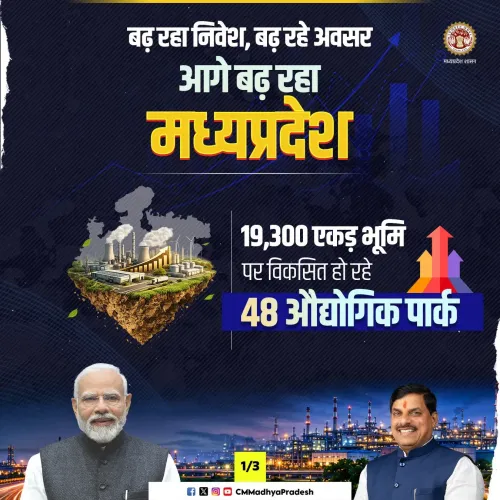
The Make in India initiative, launched in 2014, gave that framework fresh momentum — pushing states to compete for project allocations by sharpening their industrial policies and land-acquisition processes. Madhya Pradesh, a landlocked central Indian state, has spent recent years upgrading its pitch: streamlined single-window clearances, dedicated industrial corridors, and an aggressive investor-outreach posture under CM Yadav, who took office in December 2023.
Centre-state coordination driving industrial momentum
What makes this statement more than a routine declaration is its timing within a clear national pattern. State governments across India have been aligning their industrial messaging with central frameworks — essentially competing on policy quality rather than subsidies alone. By invoking PM Modi's 'visionary leadership' and tying the sector's growth directly to agriculture, health, and energy, CM Yadav is signalling that Madhya Pradesh sees chemicals and petrochemicals not as a standalone industrial play but as an enabler of the state's broader economy.
The sector's linkage to agriculture is particularly relevant for Madhya Pradesh, one of India's largest farm states — chemical inputs including fertilisers, pesticides, and agrochemicals directly affect crop yields and farmer incomes. A domestic petrochemicals cluster within or near the state could shorten supply chains and reduce input costs for the farm economy.
Jobs and investment: the twin pull
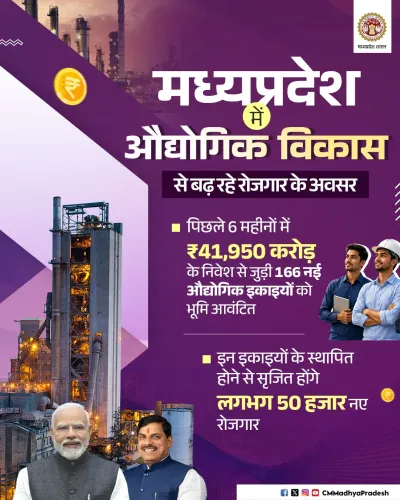
CM Yadav's explicit mention of 'new employment opportunities' is deliberate. Large petrochemical clusters are among the most capital-intensive industrial projects in existence, but they generate significant downstream employment in ancillary manufacturing, logistics, and services. For a state with a young and predominantly rural workforce, a chemicals investment push doubles as a jobs agenda.
What to watch now: any formal proposals for a PCPIR designation or a dedicated chemical investment zone within Madhya Pradesh, and whether this positioning translates into concrete investment announcements at the state's next major investor summit.
Madhya Pradesh is not just watching India's industrial transformation from the sidelines — it is filing its candidacy to help build it.
Point of View
Health, energy, and jobs — not just industrial output — the CM is framing the sector as an all-economy multiplier, a politically astute move for a state where farm distress remains a live issue. The invocation of PM Modi's leadership signals alignment with the BJP's national industrial narrative, which can aid access to central project pipelines. The real test will be whether Madhya Pradesh can translate this positioning into a formal PCPIR bid or anchor investment, as rhetoric without a project pipeline rarely moves the needle in competitive industrial diplomacy between states.
NationPress
22 Oct 2026
Frequently Asked Questions
What did Madhya Pradesh CM Mohan Yadav say about chemicals and petrochemicals investment?
CM Mohan Yadav stated on October 22, 2026 that Madhya Pradesh is ready to attract new investment in the chemicals and petrochemicals sector, citing the state's industrial infrastructure, investment-friendly environment, and industry-supportive policies.
What is India's PCPIR policy and how does it relate to Madhya Pradesh?
The Petroleum, Chemicals and Petrochemicals Investment Regions (PCPIR) policy, introduced in 2007, aims to develop large integrated industrial clusters for the sector. Madhya Pradesh is positioning itself to attract projects under this and similar central frameworks.
How does the chemicals sector benefit agriculture in Madhya Pradesh?
Chemicals and petrochemicals feed directly into fertilisers, pesticides, and agrochemicals. For Madhya Pradesh, one of India's largest farming states, a local chemicals cluster could shorten supply chains and reduce input costs for farmers.
What is Mohan Yadav's industrial policy for Madhya Pradesh?
Since becoming Chief Minister in December 2023, Mohan Yadav has pursued an investor-outreach agenda built on streamlined clearances, industrial corridors, and sector-specific positioning — including chemicals, petrochemicals, and manufacturing under the Make in India framework.
Why is India expanding its chemicals and petrochemicals capacity?
India is pushing to build domestic chemicals and petrochemicals capacity to support agriculture, pharmaceuticals, energy, and manufacturing while reducing dependence on imports — a goal backed by both the PCPIR policy and the Make in India initiative.