MP CM Mohan Yadav Pledges Daytime Power, Dairy Push for Farmers
Synopsis
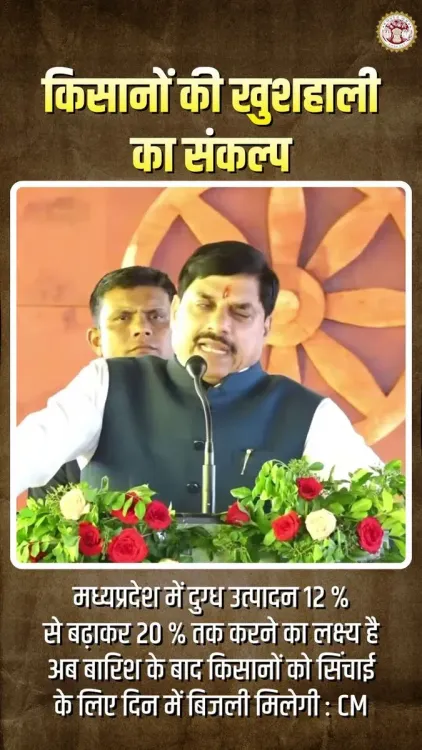
The Chief Minister's Office of Madhya Pradesh announced on 10 August 2026 a three-part farmer welfare drive under Krishak Kalyan Varsh 2026 — pledging prosperity, higher milk output, and daytime electricity for irrigation — with CM Dr. Mohan Yadav at the helm.
Key Takeaways
The Chief Minister's Office of Madhya Pradesh announced the initiative on 10 August 2026 under Krishak Kalyan Varsh 2026 .
Mohan Yadav is the named face of the three-pronged farmer welfare commitment.
Daytime electricity for irrigation is a central pledge, aimed at reducing farmers' dependence on diesel pumps.
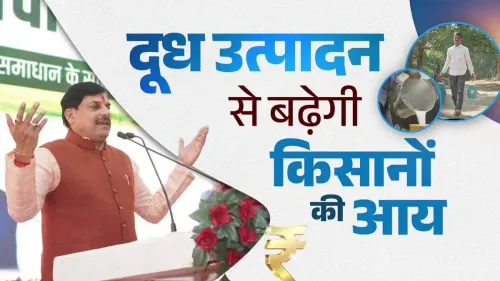
A target to increase milk production links the dairy sector to the broader rural-income strategy.
The announcement fits a long-standing Madhya Pradesh pattern of combining energy access with livestock and crop support programmes.
Exact milk-output targets and the daytime power rollout schedule have not yet been officially confirmed in detail.
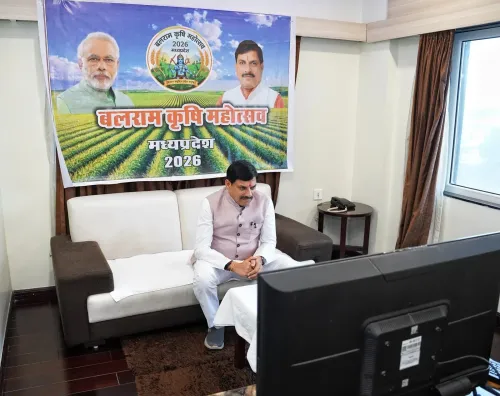
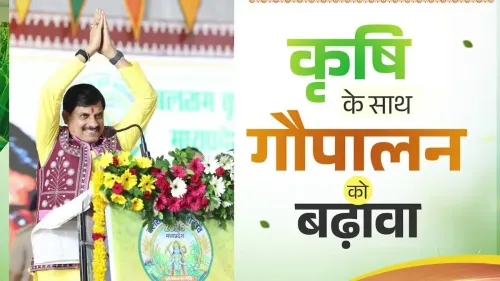
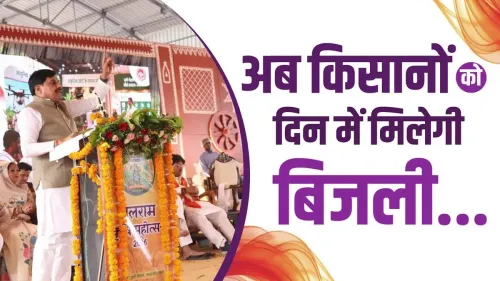
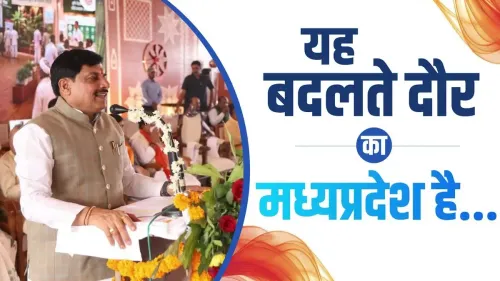
Madhya Pradesh's farmers are at the centre of a fresh state commitment — more milk, more power, and irrigation when the sun is actually up. The Chief Minister's Office of Madhya Pradesh announced on Monday, 10 August 2026 a three-pronged resolve under the banner of Krishak Kalyan Varsh 2026 (Farmer Welfare Year 2026): a pledge to farmer prosperity, a target to boost milk production, and — crucially — a guarantee of daytime electricity for agricultural irrigation.
What the Three Commitments Actually Mean
The post, attributed to Chief Minister Dr. Mohan Yadav, frames the announcement around three linked goals: kisanon ki khushhaali ka sankalp (a resolve for farmer prosperity), an increase in dairy output, and daytime power supply for irrigation. Together, they target the two biggest pain points for Madhya Pradesh's predominantly agrarian rural economy — unreliable electricity that forces farmers onto expensive diesel pumps, and underutilised livestock potential in a state already among India's significant milk-producing regions.
Shifting irrigation power to daytime hours is a structural change. Farmers currently receive agricultural power largely at night — a legacy scheduling practice that makes field work hazardous, reduces efficiency, and is incompatible with running modern pump sets safely. Daytime supply directly reduces diesel dependence and operating costs, while also making it easier to manage fodder crops that feed the dairy push.
Krishak Kalyan Varsh 2026 and the Bigger State Pattern
Madhya Pradesh has consistently combined energy access with livestock and crop programmes across successive governments. The Krishak Kalyan Varsh 2026 framework gives this year's measures a named, campaign-style identity — a signal that the state intends to track and publicise delivery against these commitments through the year. Dr. Mohan Yadav, who has anchored his administration's rural pitch around agricultural income growth, is positioning the dairy-plus-irrigation combination as a single rural-income lever: better-irrigated land grows more fodder, more fodder supports larger herds, larger herds produce more milk, and more milk means higher household income for the state's farming families.
The exact numerical targets for milk output and the precise rollout schedule for daytime electricity have not been independently confirmed, but the policy direction is consistent with proposals the state has floated in its agriculture and energy planning discussions.
For Madhya Pradesh's farmers — a constituency that spans smallholders, dairy cooperatives, and large irrigated landowners across the Malwa plateau, the Narmada valley, and the Vindhyan belt — the convergence of these three commitments in a single announcement is the story. Whether the rollout matches the resolve is the question 2026 will answer.
Point of View
Agriculture, and livestock policy into a single electoral-season narrative — giving each individual measure more political weight than it might carry alone. Daytime irrigation power is a genuine structural reform with real cost implications for the state electricity utility, making it the most consequential of the three pledges to watch. For Dr. Mohan Yadav, delivering on this specific promise before the year ends would validate the 'welfare year' branding; failing to do so risks turning a campaign asset into a liability. The dairy-plus-irrigation framing also signals that the BJP government in Bhopal is targeting rural household income — not just farm output — as its core metric ahead of future electoral cycles.
NationPress
10 Aug 2026
Frequently Asked Questions
What is Krishak Kalyan Varsh 2026 in Madhya Pradesh?
Krishak Kalyan Varsh 2026 is a state-level initiative by the Madhya Pradesh government focused on farmer prosperity, with commitments including increased milk production targets and daytime electricity supply for agricultural irrigation.
What did CM Mohan Yadav announce for MP farmers in August 2026?
Chief Minister Dr. Mohan Yadav's office announced three commitments: a resolve for farmer prosperity, a push to boost milk production, and a guarantee of daytime power supply for irrigation under Krishak Kalyan Varsh 2026.
Why is daytime electricity important for farmers in Madhya Pradesh?
Farmers in Madhya Pradesh currently receive agricultural power largely at night, which is unsafe and inefficient. Daytime electricity reduces dependence on costly diesel pumps and makes irrigation and field work more practical and productive.
How does dairy promotion connect to irrigation in the MP government's plan?
Better-irrigated land can grow more fodder crops, which supports larger dairy herds and higher milk output — so the state is treating daytime power and dairy promotion as a single rural-income lever rather than separate schemes.
What are the exact milk production targets under Krishak Kalyan Varsh 2026?
The specific numerical targets for milk output under Krishak Kalyan Varsh 2026 have not been officially confirmed in detail; the government's announcement stated the goal of increased production without specifying precise figures.