MP CM Mohan Yadav Pushes Green Mobility With e-Bus Expansion
Synopsis
Madhya Pradesh is scaling up its electric public transport network through PM e-Bus Sewa and intercity bus expansion, Chief Minister Dr. Mohan Yadav's office announced on 30 September 2026, signalling a stronger push toward green mobility across the state.
Key Takeaways
The Chief Minister's Office of Madhya Pradesh announced accelerated green mobility efforts on 30 September 2026 .
PM e-Bus Sewa , a central scheme approved in 2023 , targets 10,000 electric buses across Indian cities with central funding support.
Madhya Pradesh is deploying e-buses alongside expanded intercity bus services, not just within city limits.
Mohan Yadav has championed green transport since taking office in December 2023 .
Deployment timelines, tender outcomes, and integration with intercity routes remain the key milestones to watch.
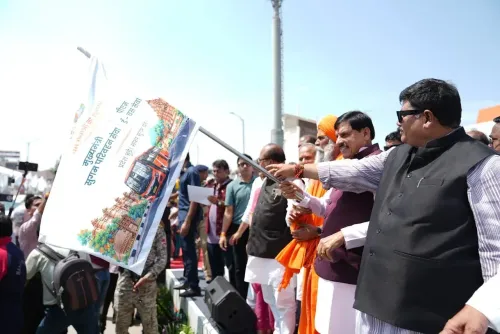
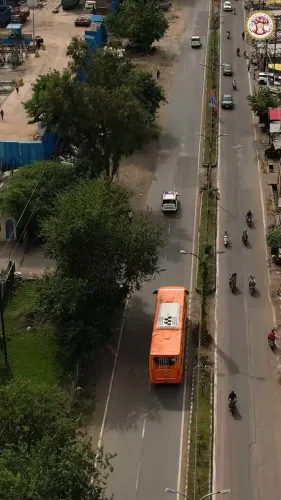
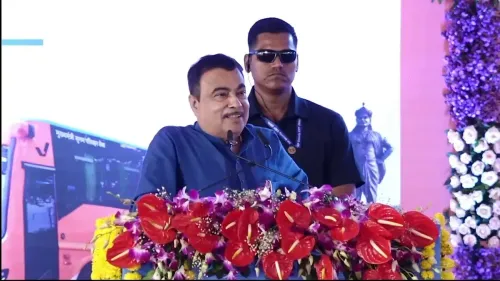
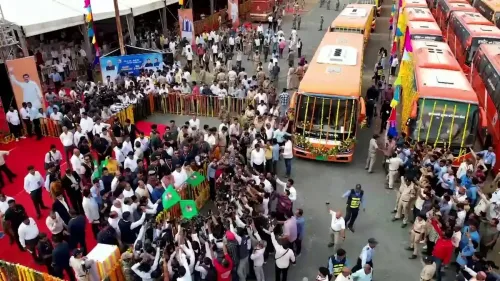
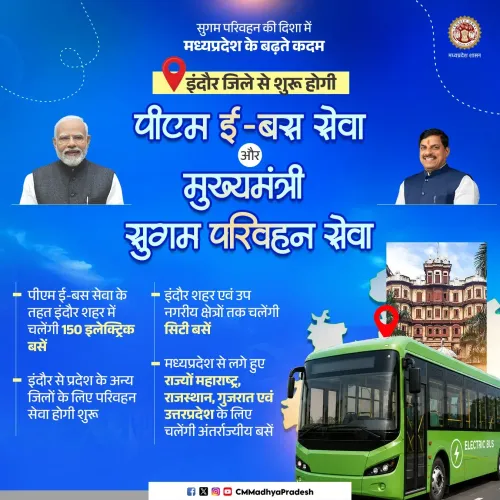
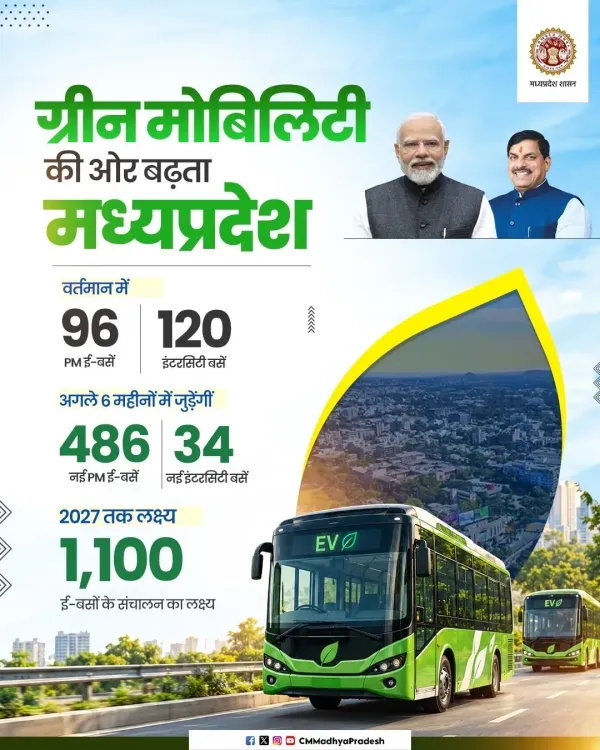
Madhya Pradesh is accelerating its shift away from fossil-fuel-powered transit — and the Chief Minister's Office of Madhya Pradesh made that direction unmistakable on Wednesday, 30 September 2026, announcing a stronger push into electric and environment-friendly public transport through PM e-buses and expanded intercity bus services.
The post, attributed to Chief Minister Dr. Mohan Yadav, declares in Hindi: 'ग्रीन मोबिलिटी की दिशा में मध्यप्रदेश की रफ्तार और तेज हो रही है' — 'Madhya Pradesh's pace towards green mobility is accelerating.' The state, it says, is reinforcing its modern and eco-friendly public transport network through PM e-buses and the expansion of intercity bus connectivity.
What PM e-Bus Sewa Brings to MP's Roads
The PM e-Bus Sewa scheme, approved by the Central government in 2023, targets the deployment of 10,000 electric buses across Indian cities, backed by central funding and designed to reduce urban emissions and dependence on fossil fuels. Madhya Pradesh is among the states aligning its city and intercity transport fleets with this national programme, bringing electric buses into corridors that have long relied on diesel-powered vehicles.
Dr. Mohan Yadav has been Chief Minister since December 2023, and green transport has featured as a recurring theme in the state's infrastructure announcements under his tenure. The pairing of PM e-buses with intercity expansion signals the government is not limiting electrification to intra-city routes but pushing it into longer, higher-traffic corridors too.
MP Inside India's Broader Electric Transit Race
India's electric public transport push is a race with a clear prize: cleaner cities, lower fuel import bills, and a credible answer to urban air quality that kills. Multiple states are competing to scale their electric fleets fastest, and central-scheme funding creates an incentive to move quickly. Madhya Pradesh, a large landlocked state with several major urban centres — Bhopal, Indore, Jabalpur, Gwalior — has significant ground to cover and significant commuter populations to serve.
For urban commuters and state transport corporations, the expansion of e-bus networks translates directly into cleaner air, quieter roads, and reduced per-kilometre operating costs over time. The real test, as always, will be in the tender outcomes and deployment timelines that follow the announcement.
The numbers, the routes, and the deadlines are what will determine whether this acceleration is felt on the road — not just in the post.
Point of View
The state government signals both alignment with New Delhi's clean-energy agenda and a bid to claim credit for tangible infrastructure outcomes ahead of future electoral cycles. The intercity dimension is politically significant — rural and semi-urban commuters, not just city dwellers, are being brought into the green-transit narrative. Whether the announcement translates into buses on the road at scale will be the ultimate measure of political will over optics.
NationPress
30 Sept 2026
Frequently Asked Questions
What is the PM e-Bus Sewa scheme in India?
PM e-Bus Sewa is a central government scheme approved in 2023 to deploy 10,000 electric buses across Indian cities, funded jointly by the Centre and state governments to reduce urban emissions and fossil fuel use.
How many electric buses is Madhya Pradesh getting under PM e-Bus Sewa?
The exact allocation for Madhya Pradesh has not been officially confirmed in the available information. The national scheme targets 10,000 electric buses across all participating Indian cities.
Who is the Chief Minister of Madhya Pradesh in 2026?
Dr. Mohan Yadav is the Chief Minister of Madhya Pradesh. He has held the post since December 2023.
What cities in Madhya Pradesh will get electric buses?
The announcement covers both city-level and intercity routes across Madhya Pradesh. Major urban centres such as Bhopal, Indore, Jabalpur, and Gwalior are expected to be key beneficiaries, though specific route details depend on tender outcomes.
What is green mobility and why does it matter for Madhya Pradesh?
Green mobility refers to low-emission or zero-emission transport, including electric buses. For Madhya Pradesh, shifting to e-buses can cut air pollution in major cities, reduce dependence on diesel imports, and lower long-term operating costs for state transport corporations.