CM Mohan Yadav's Office Tags MoPR, MP Revenue Dept in Governance Post
Synopsis
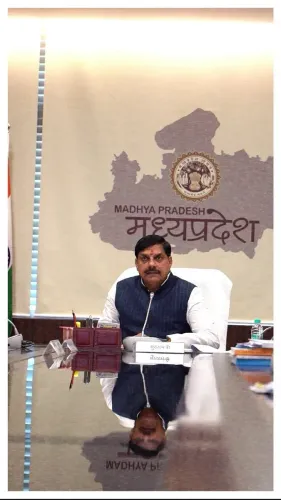
The Chief Minister's Office of Madhya Pradesh on 7 July 2026 tagged CM Dr. Mohan Yadav, the Union Ministry of Panchayati Raj, and the MP Revenue Department in a post, pointing to a state-centre coordination touchpoint on rural governance and land-revenue administration.
Key Takeaways
The Chief Minister's Office of Madhya Pradesh posted on X on 7 July 2026 tagging three key governance handles.
Mohan Yadav , Chief Minister since December 2023 , was directly tagged alongside the Union Ministry of Panchayati Raj and the MP Revenue Department .
The interaction signals coordination at the intersection of rural local-body governance and state land-revenue administration.
The 73rd Constitutional Amendment (1992) provides the legal backbone for Panchayati Raj–Revenue Department coordination in Madhya Pradesh .
Madhya Pradesh has over 23,000 Gram Panchayats whose functioning is directly affected by Revenue Department data and devolution policies.
Follow-up directives from MoPR or the MP Revenue Department will indicate the concrete outcomes of this coordination signal.
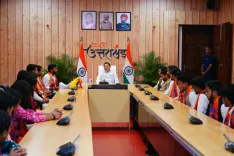
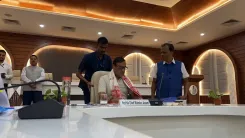
The Chief Minister's Office of Madhya Pradesh posted on X (formerly Twitter) on Tuesday, 7 July 2026, tagging Chief Minister Dr. Mohan Yadav, the Union Ministry of Panchayati Raj (MoPR), and the Madhya Pradesh Revenue Department in a governance-related interaction, signalling a coordination touchpoint between state and central rural administration bodies.
Context
The post, shared from the official @CMMadhyaPradesh handle, directly tagged @DrMohanYadav51 (Chief Minister), @mopr_goi (Ministry of Panchayati Raj, Government of India), and @mprevenuedeptt (MP Revenue Department) under the hashtag #CMMadhyaPradesh. While the specific subject of the interaction was not elaborated in the post text, the combination of tags points to a governance matter at the intersection of rural local bodies and state land-revenue administration.
Dr. Mohan Yadav has served as Chief Minister of Madhya Pradesh since December 2023, having previously held ministerial portfolios in the state government. His administration has continued the state's broader push to align revenue functions with Panchayati Raj structures.
Policy Backdrop
The institutional relationship between state revenue departments and Panchayati Raj bodies in India is anchored in the 73rd Constitutional Amendment of 1992, which established the legal framework for elected local self-government in rural areas across all states, including Madhya Pradesh. The amendment mandates devolution of functions, finances, and functionaries to Gram Panchayats.
Madhya Pradesh has periodically issued coordination circulars and convened joint meetings between its Revenue Department and panchayat structures, focusing on priorities such as land records digitisation and financial empowerment of Gram Panchayats. The Union Ministry of Panchayati Raj provides central guidelines and scheme funding that states are expected to align with their own administrative machinery.
Stakeholders and Impact
The primary stakeholders in any Revenue Department–Panchayati Raj coordination are rural landowners and elected panchayat bodies across Madhya Pradesh's more than 23,000 Gram Panchayats. Improved alignment between land records held by the Revenue Department and the administrative jurisdiction of local bodies directly affects property rights, revenue devolution, and access to centrally sponsored schemes at the village level.
Central ministry involvement through MoPR typically signals either a review of scheme implementation, a policy directive, or a coordination meeting aimed at strengthening the third tier of government — outcomes that have tangible consequences for rural communities dependent on panchayat-delivered services.
What's Next
Observers of Madhya Pradesh governance will watch for follow-up orders from the MP Revenue Department or MoPR detailing joint implementation guidelines that may emerge from this interaction. Any state budget reallocation toward panchayat-level revenue functions in the next fiscal cycle would be a concrete downstream indicator of the meeting's outcomes.
The tagging pattern suggests that formal communication or a directive may be forthcoming, and the broader arc of Madhya Pradesh's rural governance reform will depend on how swiftly the two departments translate coordination signals into actionable policy on the ground.
Point of View
The Union Ministry of Panchayati Raj, and the state Revenue Department in a single post is a deliberate signalling move, suggesting that the Yadav administration is seeking to project visible state-centre alignment on rural governance. In a state where land records digitisation and panchayat financial empowerment remain works in progress, such public coordination gestures often precede formal policy directives or scheme reviews. The involvement of MoPR adds a central accountability dimension, potentially tying Madhya Pradesh's compliance to devolution benchmarks that affect future grant flows. For the ruling dispensation, demonstrating proactive engagement with both central ministries and state departments serves a dual purpose: administrative credibility and a governance optics dividend ahead of any upcoming local body elections.
NationPress
6 Oct 2026
Frequently Asked Questions
What did the Chief Minister's Office of Madhya Pradesh post on 7 July 2026?
The Chief Minister's Office posted on X tagging CM Dr. Mohan Yadav, the Union Ministry of Panchayati Raj, and the MP Revenue Department under the hashtag #CMMadhyaPradesh, indicating a governance coordination interaction between state and central bodies.
Who is the Chief Minister of Madhya Pradesh in 2026?
Dr. Mohan Yadav is the Chief Minister of Madhya Pradesh, a post he has held since December 2023 after previously serving as a minister in the state government.
What is the role of the Ministry of Panchayati Raj in state governance?
The Union Ministry of Panchayati Raj oversees rural local self-government institutions across India, provides central guidelines and scheme funding, and monitors devolution of functions and finances to Gram Panchayats under the 73rd Constitutional Amendment of 1992.
Why does the MP Revenue Department coordinate with Panchayati Raj bodies?
The MP Revenue Department holds land records and manages revenue collection that directly affects the jurisdiction and financial functioning of Gram Panchayats; coordination between the two ensures accurate devolution of resources and supports land records digitisation at the village level.
How many Gram Panchayats does Madhya Pradesh have?
Madhya Pradesh has over 23,000 Gram Panchayats, making effective coordination between the Revenue Department and Panchayati Raj bodies critical for rural land administration and service delivery across the state.