MP CM Mohan Yadav transfers ₹36 cr bonus to 9 lakh tendu leaf collectors

Synopsis
Chief Minister Dr. Mohan Yadav transferred over ₹36.17 crore in bonus payments to more than 9 lakh tendu leaf collectors in Madhya Pradesh at an event in Mandla on 4 October 2026, honouring the labour of forest-dependent families.
Key Takeaways
₹36 crore 17 lakh+ in bonus funds transferred directly to tendu leaf collectors across Madhya Pradesh.
More than 9 lakh collectors are beneficiaries of the payout — averaging roughly ₹400 per collector.
The transfer was conducted in person by CM Dr.
Mohan Yadav at an event held in Mandla on 4 October 2026 .
Tendu leaves are a key minor forest produce in MP, procured by the state cooperative network and sold to bidi manufacturers; surplus revenue is returned to collectors as bonus.
Mandla was chosen as venue, signalling outreach to the tribal-dominated, forest-belt districts of Mahakoshal.
The disbursement aligns with India's Direct Benefit Transfer architecture, ensuring payments reach collectors without intermediaries.
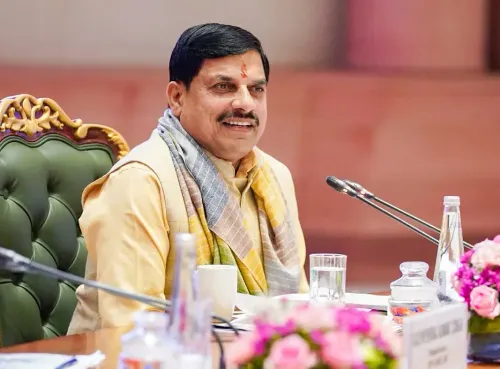
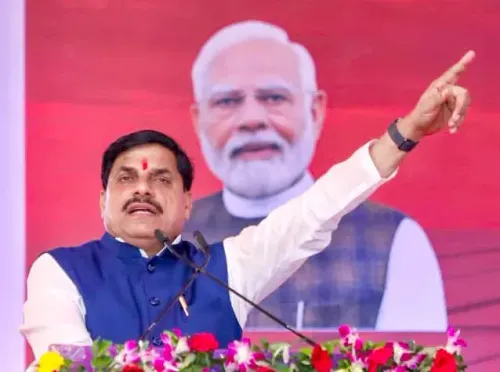
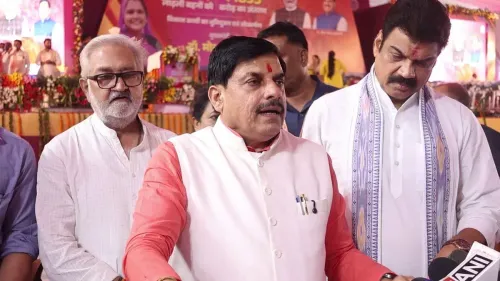
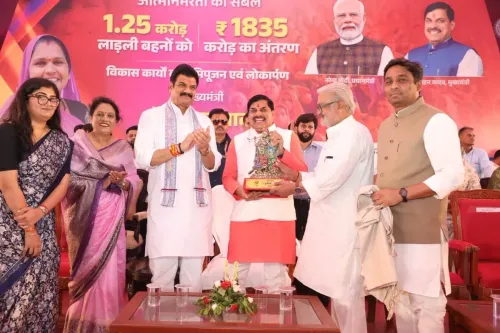
For over 9 lakh families across Madhya Pradesh whose hands have spent seasons combing forests for tendu leaves, 4 October 2026 brought a direct cash reward. The Chief Minister's Office of Madhya Pradesh announced that Chief Minister Dr. Mohan Yadav transferred a bonus of more than ₹36 crore 17 lakh to tendu leaf collectors at an event held in Mandla.
What the ₹36 crore payout means for forest-dependent families
Tendu leaves — the wrapper used in bidis — are classified as a vanopaj (minor forest produce), and their collection forms the economic backbone of millions of tribal and forest-dwelling households in Madhya Pradesh's densely forested districts. The state government disburses an annual bonus over and above the base procurement price paid to collectors, a practice designed to share the commercial surplus from tendu leaf sales through the cooperative channel.
With more than 9 lakh collectors receiving a share of the ₹36.17 crore pool, the payout works out to roughly ₹400 per collector on average — a meaningful supplement for households whose seasonal forest-produce income is often their primary cash earning. The event in Mandla, a district in the Mahakoshal region with a large tribal population, was a deliberate choice: the town sits at the heart of MP's most productive tendu-leaf belt.
Mandla as the stage: why location signals intent
Holding the transfer ceremony in Mandla rather than Bhopal is a pointed political and administrative signal. Mandla is home to a significant Gond tribal community, and staging major welfare disbursements in the districts that produce the wealth — rather than in the state capital — reinforces the government's outreach to forest communities. Dr. Mohan Yadav has consistently used district-level events to project proximity to rural constituencies.
The Chief Minister's Office described the transfer as honouring the 'shram' (labour) of collectors and providing 'arthik sambal' (economic support) to their families — framing it as recognition rather than mere subsidy.
Tendu leaf and tribal welfare: a long-running policy thread
Madhya Pradesh is among India's largest producers of tendu leaves, which are procured by the state government through its forest cooperative network and then auctioned to bidi manufacturers. The surplus revenue from these auctions flows back partly as bonus payments to the original collectors — a redistribution model that has been in place for decades but whose scale and timing vary by administration.
Annual bonus transfers of this kind are politically significant in a state where tribal voters make up a substantial share of the electorate, particularly in forest-heavy constituencies across Balaghat, Mandla, Dindori, Seoni, and adjoining districts. A direct, traceable cash transfer — rather than a programme routed through intermediaries — also aligns with the broader DBT (Direct Benefit Transfer) architecture that successive central and state governments have expanded since the mid-2010s.
With the harvest season concluding and the bonus now in collectors' accounts, the forests of Madhya Pradesh's heartland have, quite literally, paid their workers back.
Point of View
Chief Minister Mohan Yadav extends a pattern of district-facing governance theatre that his administration has cultivated since taking office. The scale — over ₹36 crore to more than 9 lakh households — keeps the forest cooperative model politically viable at a time when forest-rights and tribal welfare narratives carry electoral weight in MP's belt of scheduled-tribe seats. Whether the per-collector average translates into meaningful livelihood improvement, or remains primarily a symbolic transfer, is the harder question the government's own data will eventually have to answer.
NationPress
4 Oct 2026
Frequently Asked Questions
What is the tendu leaf bonus in Madhya Pradesh?
The tendu leaf bonus is an annual payment made by the Madhya Pradesh government to forest collectors who gather tendu leaves during the harvest season. The state procures leaves through its cooperative network, sells them to bidi manufacturers, and returns a share of the surplus to collectors as a bonus over and above their base procurement price.
How much bonus was given to tendu leaf collectors in MP in 2026?
On 4 October 2026, Chief Minister Dr. Mohan Yadav transferred more than ₹36 crore 17 lakh to over 9 lakh tendu leaf collectors across Madhya Pradesh at an event held in Mandla.
Who are tendu leaf collectors and why does the government support them?
Tendu leaf collectors are mostly tribal and forest-dwelling families who gather the leaves used as bidi wrappers. They are among the economically vulnerable sections in MP's forested districts, and the state government's bonus scheme is meant to share commercial revenue with those whose labour produces it.
Why was the bonus event held in Mandla?
Mandla is in the Mahakoshal region, one of Madhya Pradesh's most productive tendu-leaf belts with a significant Gond tribal population. Holding the transfer event there signals the government's outreach to forest-dependent communities in their home districts rather than in the state capital.
How is the tendu leaf bonus transferred to collectors in MP?
The bonus is transferred directly to collectors' bank accounts through the Direct Benefit Transfer (DBT) mechanism, bypassing intermediaries and ensuring the payment reaches individual collectors.