MP CM Mohan Yadav announces honour package for 1975 Emergency democracy fighters
Synopsis
Fifty years after the 1975 Emergency, Madhya Pradesh has gone beyond symbolic gestures — Chief Minister Mohan Yadav's package offers democracy fighters free medical care including air ambulance access, state-funded pilgrimages, copper-plate honours, and a pledge to name public buildings after those who died resisting the Emergency. The personal touch: Yadav's own father spent 19 months in jail during that period.
Key Takeaways
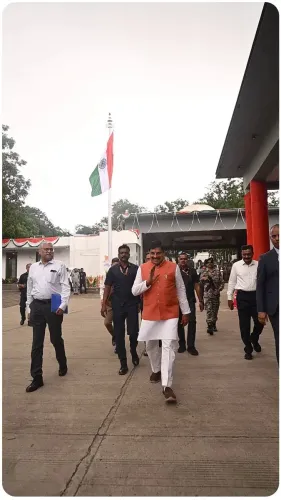
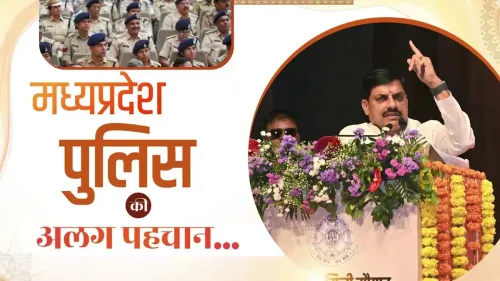
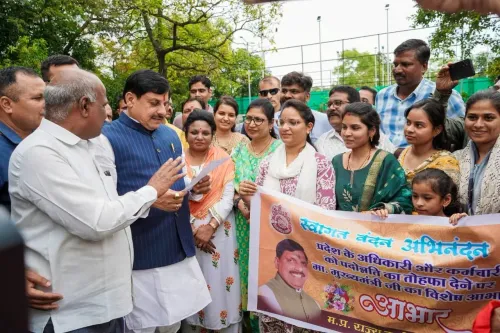
Madhya Pradesh CM Mohan Yadav announced a comprehensive welfare and honour package for 1975 Emergency democracy fighters at a gathering in Bhopal on Friday, 27 June 2025 .
The state will fully bear all medical treatment expenses for democracy fighters, including free PMshree Air Ambulance service for serious patients.
A special train under the Chief Minister's Tirtha Darshan Yojana will be arranged for pilgrimages, with two days of free stay at government rest houses.
Public buildings, parks, and roads near the villages or cities of deceased democracy fighters will be named after them, with inscriptions installed in their memory.
Every democracy fighter will receive a copper plate honour, and those who relocate can change their linked bank branch for the Samman Nidhi pension.
CM Yadav revealed his own father was imprisoned for 19 months during the Emergency, adding personal weight to the announcement.
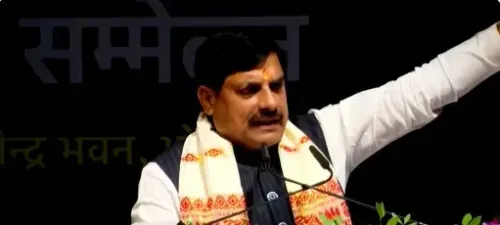
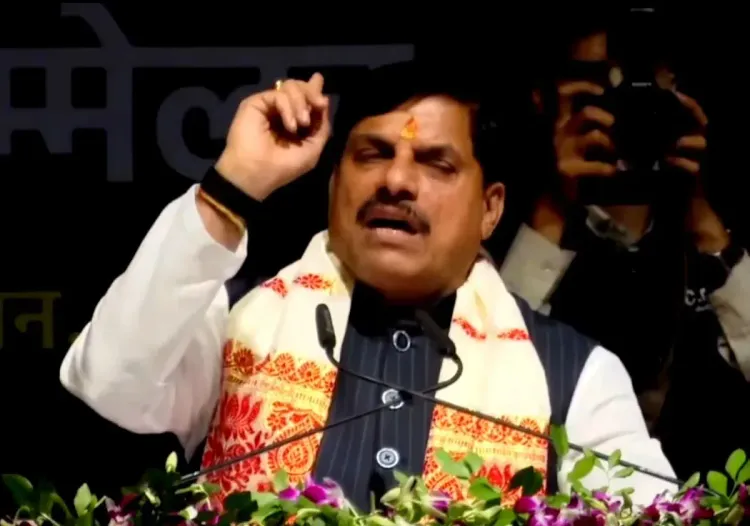
Madhya Pradesh Chief Minister Mohan Yadav on Friday, 27 June 2025, announced a sweeping welfare and recognition package for 'democracy fighters' — those who resisted the 1975 Emergency imposed by the then-central government — and their families, addressing a gathering of these veterans in Bhopal. The package spans free medical care, pilgrimage travel, pension flexibility, and posthumous memorials, marking one of the state's most comprehensive tributes to Emergency-era dissenters.
Key Announcements in the Honour Package
Under the Chief Minister's Tirtha Darshan Yojana, a dedicated special train will be arranged to take democracy fighters on pilgrimages, with two days of complimentary stay at government rest houses also provided. Every living democracy fighter will be honoured with a copper plate as a formal mark of recognition from the state.
The Madhya Pradesh government will now fully bear all medical treatment expenses for democracy fighters. Critically ill patients will be eligible for the free PMshree Air Ambulance service to facilitate swift transfer to advanced medical facilities. Democracy fighters who relocate will also be permitted to change their linked bank branch for receiving the Samman Nidhi pension — removing an administrative hurdle that had long affected beneficiaries.
Memorials and Institutional Recognition
In memory of deceased democracy fighters, inscriptions will be installed near their villages, towns, or cities. Public buildings, parks, and roads will be named after them as a lasting tribute. In all government offices, democracy fighters will receive high-priority attention, and their suggestions will be formally considered — a symbolic but significant institutional gesture.
What Chief Minister Yadav Said
Addressing the gathering, Chief Minister Yadav drew a direct parallel between freedom fighters who sacrificed for independence and democracy fighters who endured hardship to protect constitutional values during the Emergency. 'Had they not shown courage and determination, India would not have become the strong and vibrant democracy it is today,' he said.
Yadav also made a personal disclosure, revealing that his own father remained imprisoned for 19 months during the Emergency. He described how thousands were jailed, subjected to torture, and pressured to join the ruling party of the day. He credited the sacrifices of democracy fighters with enabling the rise of leaders from ordinary families — including Prime Minister Narendra Modi — to the highest positions in the country.
Contrasting India's democratic record with that of its neighbour, Yadav said that while Pakistan was born alongside India at independence, its democracy remains in disarray. 'We must set a global example of of the people, by the people, for the people,' he emphasised.
Context: The 1975 Emergency and Its Legacy
The 1975–77 Emergency, declared by then-Prime Minister Indira Gandhi, suspended civil liberties and press freedom for 21 months. Thousands of political opponents, activists, and ordinary citizens were detained without trial under the Maintenance of Internal Security Act (MISA) and other provisions. The period remains one of the most contested chapters in post-independence Indian history, and those who resisted it have since been recognised by successive governments — particularly those of the Bharatiya Janata Party (BJP) — as symbols of democratic resilience.
This announcement comes as the country marks the 50th anniversary of the Emergency's imposition, lending additional political and historical weight to Madhya Pradesh's gesture. The package is being widely welcomed as long-overdue recognition for those who risked their freedom to preserve constitutional order.
What Comes Next
The state government is expected to issue formal administrative orders detailing eligibility criteria, the rollout timeline for the Tirtha Darshan Yojana train, and the process for nominating public infrastructure for renaming. Families of deceased democracy fighters will likely need to register to claim memorial inscriptions and related benefits.
Point of View
The Emergency remains a potent political symbol, and state-level welfare packages for democracy fighters serve a dual purpose: genuine recognition of dissenters and a sustained ideological counter-narrative against the Congress. What distinguishes Madhya Pradesh's package is its operational specificity — medical cover, air ambulance access, and pension portability go beyond the plaques and proclamations that have characterised previous gestures. The real test will be implementation: how many democracy fighters and their families actually receive these benefits, and whether the eligibility and verification process is transparent. The naming of public infrastructure after deceased fighters is a meaningful legacy commitment, but without a clear administrative framework, such pledges have historically stalled at the state-order level.
NationPress
25 Sept 2026
Frequently Asked Questions
What is the welfare package announced for Emergency democracy fighters in Madhya Pradesh?
Madhya Pradesh CM Mohan Yadav announced a package that includes fully state-funded medical treatment, free PMshree Air Ambulance for serious patients, pilgrimage travel under the Tirtha Darshan Yojana, copper-plate honours, and the naming of public buildings and roads after deceased democracy fighters. The package also allows beneficiaries to change their linked bank branch for the Samman Nidhi pension if they relocate.
Who are 'democracy fighters' in the context of this announcement?
Democracy fighters refer to individuals who resisted or were persecuted during the 1975–77 Emergency declared by then-Prime Minister Indira Gandhi. Thousands were jailed under laws such as MISA for opposing the suspension of civil liberties. Successive state and central governments — particularly BJP-led ones — have recognised them with pensions and other benefits.
Why is this announcement significant in 2025?
The announcement coincides with the 50th anniversary of the imposition of the 1975 Emergency, lending it heightened historical and political significance. It is also notable for its operational scope — going beyond symbolic recognition to include medical, financial, and infrastructural benefits for living fighters and posthumous memorials for those who have died.
What did CM Mohan Yadav say about his personal connection to the Emergency?
CM Yadav revealed that his own father was imprisoned for 19 months during the Emergency, making his address at the Bhopal gathering a personal as well as political statement. He described how thousands were jailed, tortured, and pressured to join the ruling party during that period.
What public infrastructure will be named after deceased democracy fighters?
According to CM Yadav's announcement, public buildings, parks, and roads near the villages, towns, or cities of deceased democracy fighters will be named after them. Inscriptions will also be installed in their memory. The state government is expected to issue formal orders detailing the nomination and approval process.