CM Mohan Yadav Meets Ujjain Citizens, Orders Swift Grievance Redressal
Synopsis
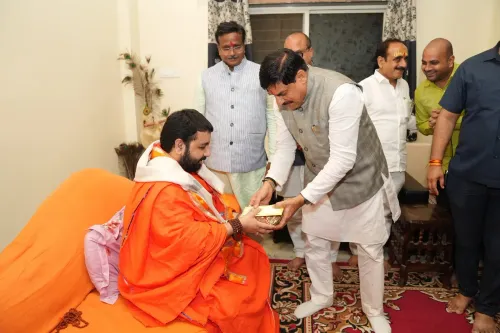
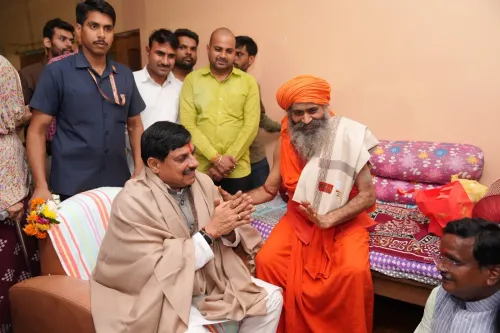
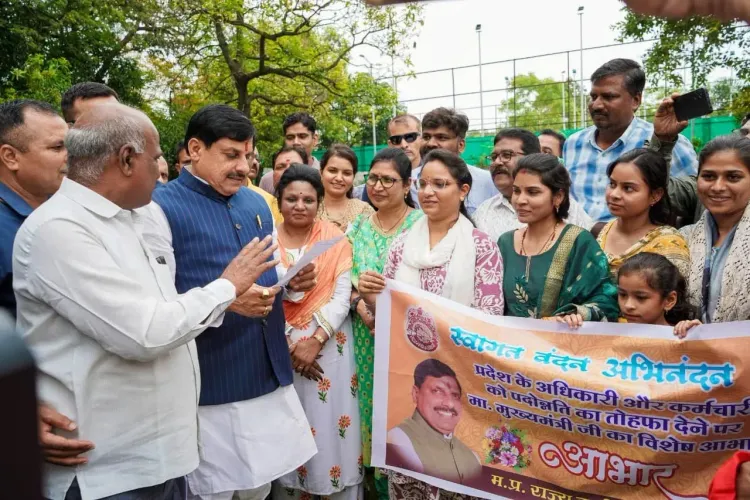
Madhya Pradesh Chief Minister Dr. Mohan Yadav met citizens at his Ujjain residence on 11 July 2026, received their applications, and directed officials to resolve grievances promptly — continuing the state's tradition of direct public-contact governance.
Key Takeaways
Mohan Yadav held a citizen-meeting session at his Ujjain residence on 11 July 2026 .
The Chief Minister personally received applications from residents who came to call.
Officials present were directed to ensure swift and prompt resolution of all applications submitted.
The practice continues a long-standing Madhya Pradesh governance tradition of direct public-grievance sessions at the CM's residence.
Ujjain is a major pilgrimage city in western Madhya Pradesh, home to the Mahakaleshwar Jyotirlinga temple.
Disposal timelines and grievance-portal follow-through will determine the measurable impact of the session.
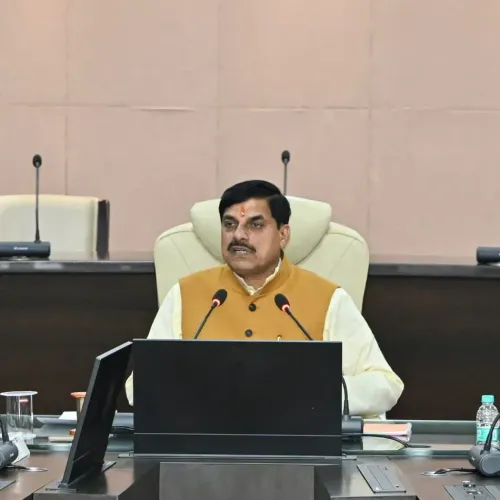
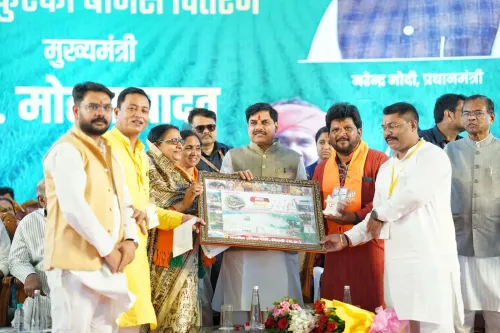
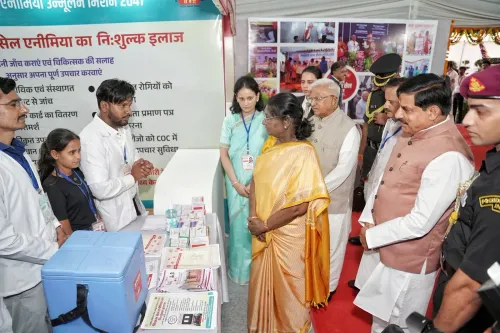
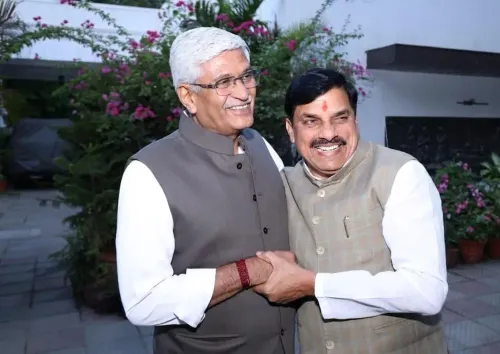
Madhya Pradesh Chief Minister Dr. Mohan Yadav on Saturday, 11 July 2026, met citizens who visited his residence in Ujjain, received their applications, and directed officials to ensure their swift resolution.
Context
Posting on X, Dr. Yadav wrote: 'Aaj Ujjain mein niwas par padhare nagaron se bhet kar unke avedan prapt kiye evam adhikariyon ko inke tvrit niraakaran karne ke nirdesh diye' — ('Today, at my residence in Ujjain, I met citizens who came to call, received their applications, and directed officials to resolve them promptly.')
The Chief Minister was accompanied by officials to whom he issued on-the-spot directions, underlining the administration's emphasis on direct, time-bound grievance disposal.
Policy Backdrop
Direct public-grievance sessions at the chief minister's residence or camp office have been a longstanding administrative practice in Madhya Pradesh, carried forward from the tenure of former Chief Minister Shivraj Singh Chouhan (2005–2018 and 2020–2023).
Dr. Yadav, who assumed office in December 2023 following the state assembly elections, has continued this tradition of jan-sunwai (public hearing) sessions as a governance tool. Such interactions typically cover service-delivery concerns spanning revenue records, welfare-scheme benefits, and local infrastructure complaints.
Across BJP-governed states, this model of residential citizen meetings is presented as a mechanism to cut bureaucratic delays and ensure that ordinary residents have direct access to the highest executive authority.
Stakeholders and Impact
The primary beneficiaries are residents of Ujjain — a historic city in western Madhya Pradesh and one of India's foremost Hindu pilgrimage centres, home to the Mahakaleshwar Jyotirlinga temple.
Applicants who submitted petitions during the session stand to receive faster administrative attention than through standard grievance portals, given that the Chief Minister has personally directed officials to act. Broader civic groups and welfare-scheme beneficiaries across the district may also benefit if systemic issues surface through these applications.
For the state administration, such sessions serve as a real-time feedback loop, surfacing ground-level delivery failures that may not be visible through routine departmental reporting.
What's Next
Attention will now turn to the actual disposal timelines for the applications collected during the Ujjain visit and whether the state's grievance-tracking mechanisms log and close these cases within the timeframes implied by the Chief Minister's directive.
State-level review meetings on grievance portal performance and any follow-up public communication from Dr. Yadav's office will indicate how systematically such citizen-contact sessions are being converted into measurable administrative outcomes.
Point of View
The Chief Minister reinforces an image of executive responsiveness while also creating a paper trail of accountability for district officials. The practice is politically low-cost but administratively meaningful only if back-end disposal systems are robust enough to convert high-level directives into closed cases. The real test will be whether Ujjain residents see their grievances resolved — or whether the session remains a symbolic gesture without measurable follow-through.
NationPress
10 Oct 2026
Frequently Asked Questions
Why did CM Mohan Yadav visit Ujjain on 11 July 2026?
Dr. Mohan Yadav was at his Ujjain residence where he held a public-grievance session, meeting citizens who came to submit applications and directing officials to resolve their issues promptly.
What is a jan-sunwai session in Madhya Pradesh?
A jan-sunwai (public hearing) is a direct citizen-meeting session where the Chief Minister or senior officials receive petitions and issue disposal directives on the spot, bypassing routine bureaucratic channels.
Who can submit applications to the Madhya Pradesh Chief Minister?
Any resident of Madhya Pradesh can approach the Chief Minister's office or attend such public-contact sessions to submit petitions covering issues like revenue records, welfare benefits, or local infrastructure.
What happens to applications received during CM Yadav's citizen meetings?
Applications collected during such sessions are forwarded to the relevant officials with the Chief Minister's directive for swift resolution; outcomes depend on the state's grievance-tracking and disposal mechanisms.
Is holding citizen-grievance sessions at the CM residence a new practice in Madhya Pradesh?
No, this tradition dates back to the long tenure of former Chief Minister Shivraj Singh Chouhan (2005–2023) and has been continued by Dr. Mohan Yadav since he took office in December 2023.