Has the MP HC Denied Bail in the Chhindwara Cough Syrup Incident?
Synopsis
In a significant legal development, the Madhya Pradesh High Court has denied bail to a pharmacist implicated in the tragic Chhindwara cough syrup case that claimed over 26 young lives. This case reveals alarming lapses in drug safety and regulatory compliance.
Key Takeaways
Madhya Pradesh High Court denies bail in a significant health case.
Over 26 children lost their lives due to toxic syrup.
The syrup was contaminated with diethylene glycol .
Pharmacist's role in dispensing without proper records is under scrutiny.
Case highlights the need for stronger drug safety regulations.
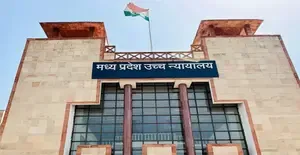
Bhopal/Jabalpur, Feb 17 (NationPress) The Madhya Pradesh High Court has, on Tuesday, rejected the bail plea of a pharmacist implicated in the hazardous Coldrif cough syrup case involving a paediatrician Praveen Soni, his spouse Jyoti Soni, and their nephew.
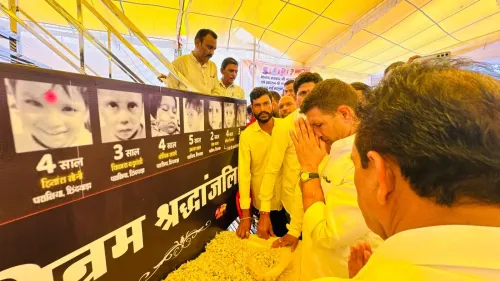
The deadly Coldrif syrup, which was dispensed by Praveen Soni, is linked to the tragic deaths of over 26 innocent children aged between four and five in the Chhindwara district.
A bench led by Justice Pramod Kumar Agrawal ruled on February 17, 2026, stating that the circumstances did not warrant bail.
The pharmacist, operating at M/s Apna Medical Store owned by co-accused Jyoti Soni (the wife of Praveen Soni), administered Coldrif Syrup instead of the prescribed Nextro-DS.
Importantly, no sales records were maintained for the cough syrup, and the pharmacist was implicated in destroying evidence, which included 66 bottles of the syrup.
The court highlighted the pharmacist's responsibility as a technical custodian under the Drugs and Cosmetics Act, 1940 for safe dispensing and public health.
Furthermore, Praveen Soni is accused of improperly substituting the prescribed medication with Coldrif Syrup, particularly concerning pediatric patients, which is both illegal and medically inappropriate.
This illegal substitution, along with violations of licensing rules under Rules 65(3) and 65(4), played a significant role in the resulting tragedy.
The cough syrup, produced by Sresan Pharmaceuticals in Karnataka, was contaminated with dangerously high levels of diethylene glycol (DEG), a toxic industrial solvent that caused acute kidney failure in young children.
The incident transpired between August and October 2025, with the affected children initially treated for common coughs and fevers at a community health center in Parasiya, Chhindwara.
The syrup was banned by Madhya Pradesh authorities on October 4, 2025.
The prosecution contended that the pharmacist and the co-accused, including the prescribing doctor who allegedly profited from each bottle sold, acted in collusion.
The significant public health crisis, with over 26 young lives lost and many others severely injured, weighed heavily against the bail approval.
The applicant has been in custody since October 13, 2025. The court stated that prima facie evidence against the pharmacist is compelling, with potential violations of Section 27(A) of the Drugs and Cosmetics Act and Sections 105, 276, and 238(b) of the Bharatiya Nyaya Sanhita (BNS).
Despite the defense's claims of ignorance regarding the adulteration or ban at the time of sale, the prosecution argued for more severe charges such as culpable homicide.
The court's ruling clarified that its comments were solely related to the bail decision and should not influence the trial's merit.
This ruling comes amidst ongoing investigations into the 2025 cough syrup crisis, which has garnered national attention regarding regulatory shortcomings in drug manufacturing, distribution, and prescription processes, with forensic evidence confirming DEG in the victims' samples reinforcing the case against those implicated.
Point of View
The ruling by the Madhya Pradesh High Court underscores the critical need for stringent regulations and accountability in the pharmaceutical industry. The tragic loss of young lives due to negligence is a stark reminder of the importance of public health and safety standards. This case calls for comprehensive investigations to ensure justice for the victims and prevent future tragedies.
NationPress
2 Oct 2026
Frequently Asked Questions
What happened in the Chhindwara cough syrup case?
The Chhindwara cough syrup case involved the distribution of a toxic syrup that led to the deaths of over 26 children. The syrup was prescribed and dispensed improperly, raising serious concerns about pharmaceutical safety.
What was the court's decision regarding bail?
The Madhya Pradesh High Court rejected the bail application of a pharmacist involved in the case, citing strong prima facie evidence against him and the gravity of the offense.
What were the implications of the cough syrup's contamination?
The cough syrup was found to contain dangerously high levels of diethylene glycol (DEG), a toxic substance that caused acute kidney failure in children, highlighting severe regulatory failures.
What actions were taken against the involved parties?
The court's ruling reflects ongoing investigations into the regulatory practices of drug manufacturing and prescription, with potential criminal charges against those involved in the distribution of the toxic syrup.
How has this case impacted public health policies?
This incident has sparked national discussions on the need for improved regulations in the pharmaceutical industry to prevent similar tragedies and ensure the safety of medications.