MP to introduce rhinos, tiger count may cross 1,000 in next census: CM Mohan Yadav
Synopsis
Madhya Pradesh is no longer just a tiger state — it wants to be India's multi-species conservation hub. CM Mohan Yadav's rhino introduction plan, combined with a tiger count on course to cross 1,000, marks the most ambitious expansion of the state's wildlife agenda in decades.
Key Takeaways
Madhya Pradesh will introduce rhinoceroses into its wildlife reserves, CM Mohan Yadav announced on 29 July 2025 .
The state's tiger population stood at 785 in the 2022 census and is expected to cross 1,000 in the next enumeration.
Conservation is active across all nine tiger reserves in the state, with community forest committees involved.
Wild buffaloes, absent for nearly a century, have been successfully reintroduced; gharials have been released into rivers in the Kuno region.
Nearly 2.8 million tourists , including around one lakh foreign visitors , visit MP's wildlife destinations annually.
Ratapani Tiger Reserve and Veerangana Durgavati Tiger Reserve logos were unveiled at the event.
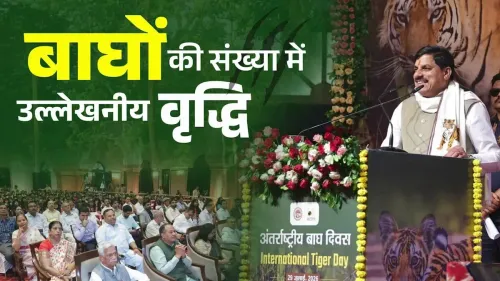
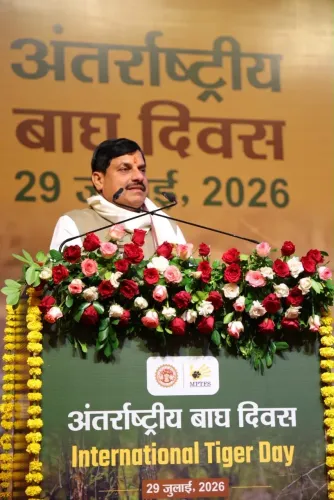
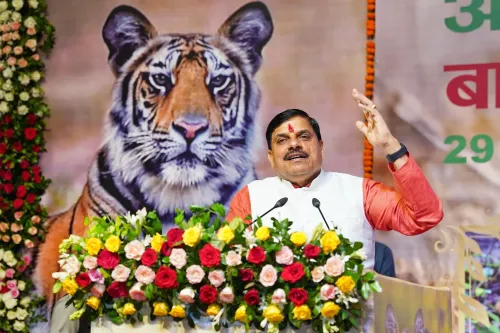
Madhya Pradesh is set to introduce rhinoceroses into its wildlife reserves as part of a broadening conservation agenda, Chief Minister Mohan Yadav announced on Wednesday, 29 July, at the state-level International Tiger Day programme in Bhopal. The move signals the state's ambition to extend its conservation mandate well beyond tigers to a wider spectrum of endangered species.
Rhinos and a Widening Conservation Mandate
Addressing the event, Chief Minister Yadav stated that Madhya Pradesh has already undertaken conservation drives for tigers, cheetahs, gharials, elephants, and wild buffaloes — and will now add rhinoceroses to that list. The announcement marks a significant expansion of the state's wildlife recovery programme, which has drawn national and international attention in recent years.
'Madhya Pradesh has undertaken several significant initiatives for the conservation of tigers, cheetahs, gharials, elephants, wild buffaloes and other wildlife. The tiger population has been increasing steadily, helping the state retain its status as the Tiger State,' Yadav said.
Tiger Population on Track to Cross 1,000
The state's tiger count, which had fallen to double digits over five decades ago, recovered to 785 in the 2022 census. Chief Minister Yadav said the figure is expected to surpass the 1,000-mark in the next enumeration — a milestone that would cement Madhya Pradesh's position as India's pre-eminent tiger habitat. Conservation activities are currently underway across all nine tiger reserves in the state, with active participation from forest committees and local communities.
Wild Buffaloes Return, Gharials Spread to New Rivers
Among the notable conservation wins highlighted at the event, the state has successfully reintroduced wild buffaloes, a species that had disappeared from the region nearly a century ago. Gharial conservation has been strengthened along the Chambal river, and the reptiles have also been released into rivers in the Kuno region, expanding their habitat range.
On human-wildlife conflict, Yadav noted that the Forest Department has deployed technology-driven interventions to substantially reduce elephant-related incidents. 'Until two years ago, frequent reports of elephant-related conflicts had created fear among people. The Forest Department has successfully addressed the challenge through modern technology and innovative measures,' he said.
Logos, Vehicles, and a Conservation Campaign
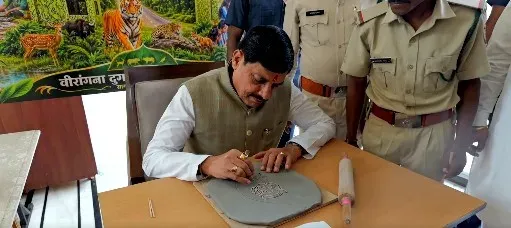
During the programme, Chief Minister Yadav inaugurated an exhibition on wildlife conservation, dedicated new vehicles for forest protection, and released several publications on biodiversity and wildlife management. He also unveiled the logos of Ratapani Tiger Reserve and Veerangana Durgavati Tiger Reserve, and participated in the 'One Person, One Leaf' campaign aimed at encouraging community participation in conservation.
Tourism Footprint and National Recognition
Principal Chief Conservator of Forests (Wildlife) Samita Rajoura noted that nearly 2.8 million tourists visit Madhya Pradesh's wildlife destinations every year, including around one lakh foreign visitors. Principal Chief Conservator of Forests and Head of Forest Force Shubharanjan Sen said the state has earned recognition as the Tiger State, Cheetah State, and Leopard State through sustained conservation efforts, with recent initiatives drawing national and international acclaim.
With rhino introduction on the horizon and a tiger census count expected to breach four digits, Madhya Pradesh is positioning itself as the country's most ambitious multi-species conservation laboratory.
Point of View
What is the translocation timeline, and how will human-wildlife conflict be managed for a species far larger and more territorially demanding than any currently in the state. The state's record on cheetah reintroduction at Kuno — which has faced mortality challenges — suggests that ambition and execution do not always travel together. The 1,000-tiger target is credible given the trajectory, but the rhino plan needs a public roadmap before it can be taken as policy rather than aspiration.
NationPress
30 Jul 2026
Frequently Asked Questions
Which state is introducing rhinoceroses to its wildlife reserves?
Madhya Pradesh is set to introduce rhinoceroses as part of its expanding wildlife conservation programme, Chief Minister Mohan Yadav announced on 29 July 2025 at the state-level International Tiger Day event in Bhopal.
What is Madhya Pradesh's current tiger population?
The tiger population in Madhya Pradesh stood at 785 in the 2022 census, up from double digits recorded over five decades ago. The state expects the count to cross 1,000 in the next enumeration.
What other species has Madhya Pradesh recently reintroduced or conserved?
The state has reintroduced wild buffaloes, which had disappeared nearly a century ago, and has strengthened gharial conservation along the Chambal river, with the reptiles also released into rivers in the Kuno region. Conservation drives for cheetahs and elephants are also ongoing.
How significant is Madhya Pradesh's wildlife tourism?
Nearly 2.8 million tourists visit Madhya Pradesh's wildlife destinations every year, including around one lakh foreign visitors, according to Principal Chief Conservator of Forests (Wildlife) Samita Rajoura.
What new tiger reserves were recognised at the International Tiger Day event?
Chief Minister Mohan Yadav unveiled the logos of Ratapani Tiger Reserve and Veerangana Durgavati Tiger Reserve during the state-level International Tiger Day programme held in Bhopal on 29 July 2025.