Mumbai’s Gas Fraud Scandal: Cybercriminals Steal Nearly Rs 1 Crore in a Month
Synopsis
Mumbai is facing a surge in cyber fraud, with scammers impersonating Mahanagar Gas officials to steal from residents. Victims are tricked into downloading malicious APK files, leading to significant financial losses. Authorities urge vigilance against these organized fraud schemes.
Key Takeaways
Beware of unsolicited messages about gas bills.
Always verify the authenticity of communications.
Do not download files from unknown sources.
Report any suspicious activity to authorities immediately.
Protect your personal information and banking details.
Mumbai, March 29 (NationPress) The city of Mumbai is currently facing a dramatic rise in cyber fraud incidents, with criminals masquerading as representatives from Mahanagar Gas Limited (MGL) to deceive unaware residents and swiftly drain their bank accounts through malicious APK files, according to police reports released on Sunday.
Authorities have indicated that these scammers are taking advantage of the current gas supply crisis in the nation, which has been exacerbated by geopolitical tensions involving the United States and Iran, creating a climate of fear among consumers.
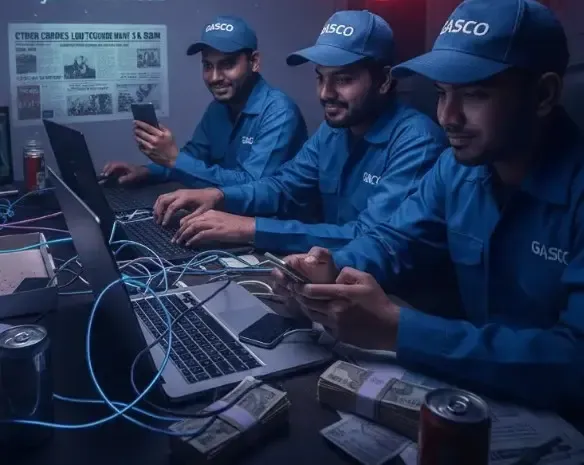
Operating under this guise, an organized cybercrime syndicate is threatening consumers with gas disconnection and coercing them into downloading harmful applications.
Numerous incidents have surfaced across Mumbai in recent weeks, highlighting a well-coordinated pattern of fraud where victims are lured into making minor payments before losing control over their mobile devices and bank accounts, police confirmed on Sunday.
As per police statistics, these fraud cases are being reported almost daily, and in just the last month, the criminals have managed to steal nearly Rs 1 crore in total.
One recent victim, Mitul Doshi, a 20-year-old entrepreneur from Mulund West, fell prey on the morning of March 26 when he received a message indicating that his gas bill was overdue and warning of imminent disconnection.
Thinking the message was authentic, he complied and paid Rs 1,150 as directed. Later that day, he received a call from someone claiming to be an MGL agent, who informed him that the payment had not been processed in their system. The caller then sent him an APK file titled 'Mahanagar gas bill update.apk', urging him to complete the transaction, as per the officials' statements.
Once the file was downloaded and Doshi entered his banking information, the fraudsters gained complete access to his phone and financial accounts. Within moments, Rs 11.82 lakh was transferred out through several transactions, leaving him powerless over his funds.
A similar case occurred in Malad East, where a 75-year-old retired individual was targeted with a WhatsApp message featuring the official MGL logo, threatening disconnection. The message requested a nominal 'system update' fee of Rs 10, according to officials.
Believing this to be legitimate, the elderly victim downloaded the APK file and entered his card details. Approximately 20 minutes later, Rs 8.59 lakh was withdrawn from his account.
Authorities have stressed that these incidents are part of a larger, organized cyber fraud operation. Over the past month, numerous complaints have been filed at various police stations throughout the city, resulting in combined losses approaching Rs 1 crore.
In many cases, scammers deliberately utilize small amounts, such as Rs 7 to Rs 10, to minimize suspicion and entice victims into downloading the malicious file without hesitation.
Investigations have uncovered a consistent modus operandi employed by the syndicate. Victims typically receive a message via SMS or WhatsApp claiming that their gas bill is overdue and that their connection will be cut off shortly.
This is then followed by a phone call from a scammer impersonating a company agent, who sends an APK file under the pretense of a 'bill update' or 'system verification'.
In truth, the file harbors malware that, once installed, permits fraudsters to access OTPs, banking credentials, and even remotely control the victim's mobile device.
In a matter of minutes, funds are transferred out of the account, often before the victim realizes what has transpired.
In light of the growing threat, Cyber Police officials have cautioned the public, stating, "No gas company or authorized entity sends APK files for payments or updates, and no official will ever request OTPs, passwords, or banking details over a phone call."
Officials have urged citizens to depend solely on official websites or authorized mobile applications for any information regarding gas bills or connections and to avoid clicking on unfamiliar links or downloading suspicious files.
In the event of such fraud, victims are encouraged to report the incident immediately by contacting the National Cyber Helpline at 1930 and to ensure that their bank accounts are frozen promptly to prevent further financial losses, officials advised.
Point of View
Specifically involving impersonation of gas company officials, underscores the growing sophistication of cybercriminals. With significant financial losses reported, it is imperative for the public to remain vigilant and informed about potential scams. Authorities emphasize the need for caution in digital communications.
NationPress
22 Sept 2026
Frequently Asked Questions
How are fraudsters targeting victims?
Fraudsters are posing as Mahanagar Gas officials, sending messages about overdue bills and threatening disconnection, which prompts victims to download malicious APK files.
What should I do if I receive a suspicious message?
Do not click on any links or download files. Verify the message through official channels before taking any action.
How can I report cyber fraud?
Victims should report incidents immediately by calling the National Cyber Helpline at 1930 and freezing their bank accounts to prevent further losses.
What are the signs of a scam call?
Signs include unsolicited calls requesting personal or banking information and messages warning of urgent disconnections.
Is it safe to download APK files from unknown sources?
No, downloading APK files from unverified sources can lead to malware installation and loss of personal information.