Pradhan pays floral tribute to Gopabandhu Das, Lala Lajpat Rai in Delhi
Synopsis
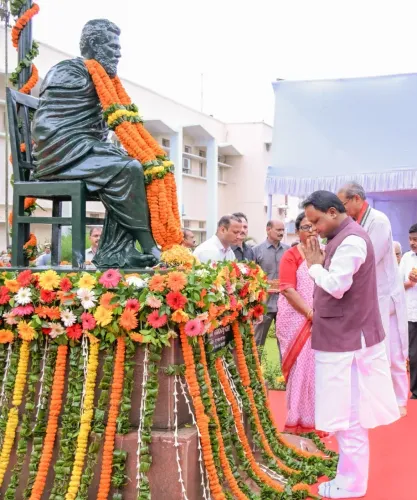
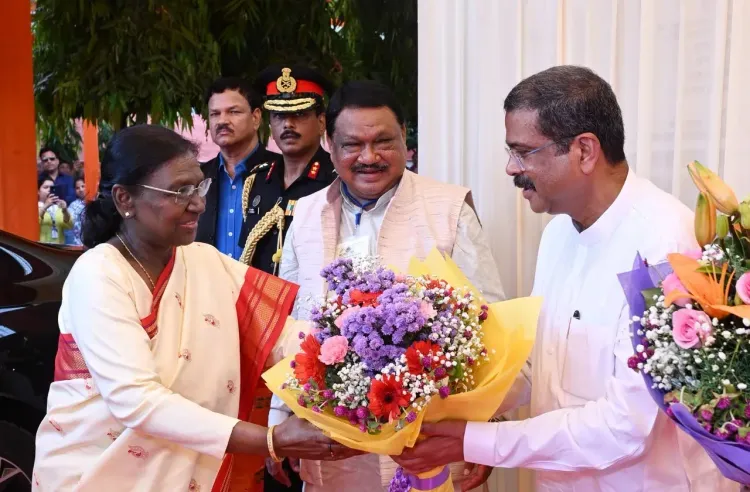
President Droupadi Murmu unveiled a statue of Odia freedom fighter Pandit Utkalmani Gopabandhu Das at Lajpat Bhawan in New Delhi on 3 August 2026. Education Minister Dharmendra Pradhan, Union Minister Jual Oram, and Odisha MPs joined the President in offering floral tributes to Gopabandhu Das and Punjab Kesari Lala Lajpat Rai.
Key Takeaways
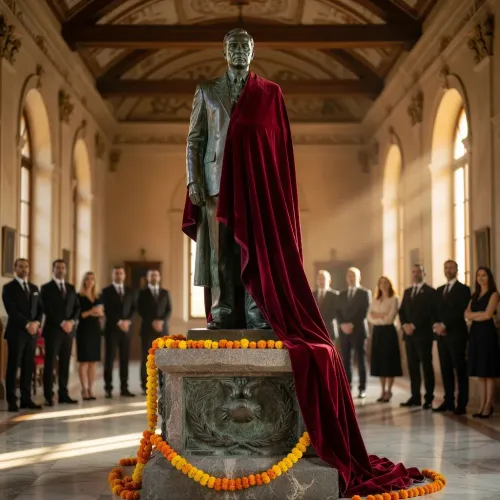
President Droupadi Murmu unveiled a new statue of Pandit Utkalmani Gopabandhu Das at Lajpat Bhawan, New Delhi on 3 August 2026 .
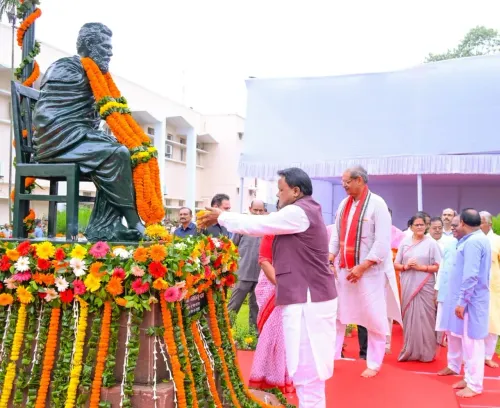
Union Education Minister Dharmendra Pradhan and Union Minister Jual Oram offered floral tributes alongside Odisha MPs and other dignitaries.
Tributes were also paid to Punjab Kesari Lala Lajpat Rai , the freedom fighter after whom the venue is named.
Gopabandhu Das was a freedom fighter, journalist, and social reformer credited with championing the Odia language and founding the Satyabadi school .
President Murmu , who hails from Odisha and is India's first tribal head of state, lent personal and symbolic significance to the tribute.
At Lajpat Bhawan, New Delhi, on Monday, 3 August 2026, two of India's most revered freedom fighters received national honours — and the occasion carried a rare weight: the President of India herself unveiled a statue. Union Education Minister Dharmendra Pradhan was among those who offered floral tributes to Pandit Utkalmani Gopabandhu Das and Punjab Kesari Lala Lajpat Rai in the presence of President Droupadi Murmu.
Sharing the moment on X, Pradhan wrote that he was honoured — 'pushpanjali arpan karne ka saubhagya prapt hua' (blessed with the opportunity to offer floral tribute) — alongside Union Minister Jual Oram, Members of Parliament from Odisha, and other distinguished guests. The centrepiece of the event: President Murmu's formal unveiling of a new statue of Gopabandhu Das.
Who was Utkalmani Gopabandhu Das?
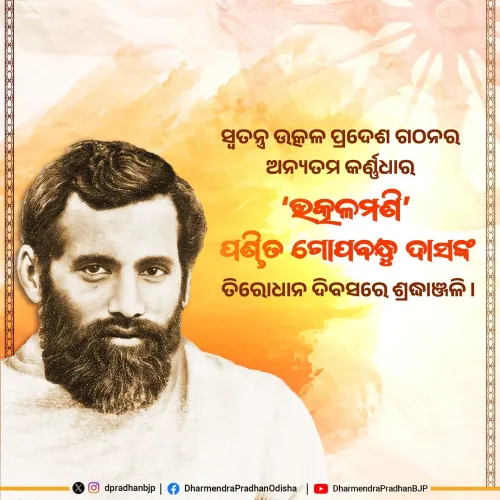
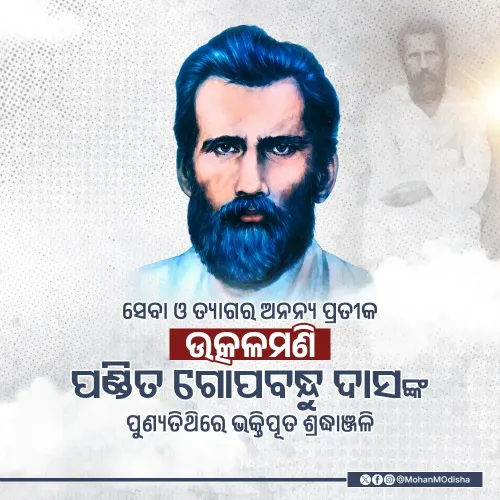
Pandit Gopabandhu Das — honoured with the title Utkalmani, meaning 'Jewel of Odisha' — was a freedom fighter, journalist, and social reformer who became a cornerstone of Odia identity. He founded the Satyabadi school, championed the Odia language at a time when its very survival was contested, and wove together nationalism with grassroots social service. His legacy is inseparable from Odisha's journey into the Indian Union.
The choice of President Murmu to unveil his statue carries particular resonance. Murmu, who hails from Odisha and made history in 2022 as the first person from a tribal community to hold the nation's highest office, brings a personal and symbolic dimension to honouring an icon of her home state on the national stage in Delhi.
Lajpat Bhawan and the man whose name it bears
Lala Lajpat Rai — Punjab Kesari, the Lion of Punjab — was one of the most electrifying figures of the independence movement, a leader whose confrontation with British lathicharge in 1928 became a defining moment in the national struggle. The Delhi venue named in his honour, Lajpat Bhawan, has long served as a site for events commemorating national leaders, making it a fitting stage for tributes that span regions and eras.
Regional icons, national recognition
Events like this one follow a deliberate pattern in Indian public life: bringing regional freedom fighters into the shared national frame, with the President and ministers from the concerned state present to signal that these figures belong to all of India, not just their home regions. The presence of Odisha MPs alongside the President — herself Odia — and a senior minister like Jual Oram, who has deep roots in the state's tribal and political landscape, underscores that intent.
For the Odia community, seeing Gopabandhu Das honoured at a prominent Delhi venue — with a new statue unveiled by a President who shares their roots — is more than ceremony. It is an assertion that Odisha's contribution to the freedom movement stands alongside those of any other region in the national memory.
The marble and marigolds at Lajpat Bhawan on Monday carried a quiet but clear message: India's freedom story is wide enough to hold every voice that helped write it.
Point of View
An Odia tribal leader, personally unveil the statue of Odisha's most celebrated social reformer amplifies that signal considerably. For the BJP, which has made significant electoral inroads in Odisha in recent years, such ceremonies carry political subtext alongside genuine cultural recognition. The inclusion of Lala Lajpat Rai — a Punjab icon — at the same event quietly reinforces the idea of a plural, multi-regional nationalism the government seeks to project.
NationPress
17 Sept 2026
Frequently Asked Questions
Who was Pandit Gopabandhu Das?
Pandit Gopabandhu Das, known as Utkalmani or 'Jewel of Odisha', was an Odia freedom fighter, journalist, and social reformer who championed the Odia language, founded the Satyabadi school, and played a central role in Odisha's nationalist movement during the independence era.
Why did President Murmu unveil the Gopabandhu Das statue?
President Droupadi Murmu unveiled the statue at Lajpat Bhawan on 3 August 2026 as part of a tribute event honouring the Odia freedom fighter. Murmu, who hails from Odisha and is India's first tribal President, brought personal and symbolic significance to the occasion.
What is Lajpat Bhawan in Delhi?
Lajpat Bhawan is a Delhi venue named after freedom fighter Lala Lajpat Rai , the 'Punjab Kesari'. It is frequently used for events honouring national leaders and freedom fighters from across India.
Who is Lala Lajpat Rai?
Lala Lajpat Rai , titled Punjab Kesari (Lion of Punjab), was a prominent freedom fighter in India's independence movement. He is especially remembered for leading protests against British rule; a lathicharge during a demonstration in 1928 became a defining moment in the national struggle.
What was Dharmendra Pradhan's role at the Lajpat Bhawan event?
Union Education Minister Dharmendra Pradhan offered floral tributes to both Gopabandhu Das and Lala Lajpat Rai at the event, joining President Murmu, Union Minister Jual Oram, and Members of Parliament from Odisha.