CM Majhi Pays Tribute to Gopabandhu Das, Cites Health Scheme
Synopsis
Odisha Chief Minister Mohan Charan Majhi marked the death anniversary of freedom fighter and social reformer Utkalmani Gopabandhu Das on 17 June 2026, paying tribute on X and reaffirming his government's commitment to the Gopabandhu Jan Arogya Yojana, a cashless health assurance scheme named in the icon's honour.
Key Takeaways
Odisha CM Mohan Charan Majhi paid tribute to Utkalmani Pandit Gopabandhu Das on his death anniversary on 17 June 2026 .
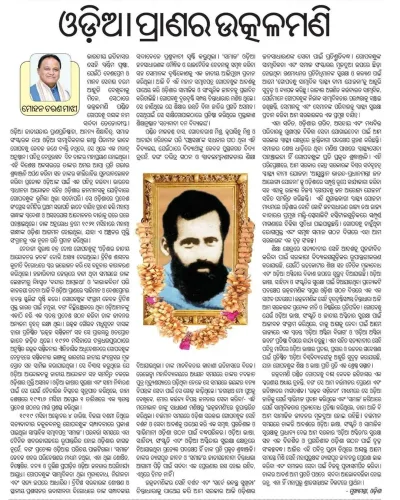
Gopabandhu Das (1877–1928) was a freedom fighter, social reformer, and founder of the Odia newspaper The Samaja in 1919 .
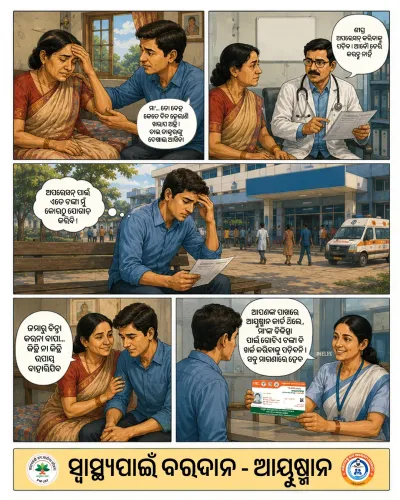
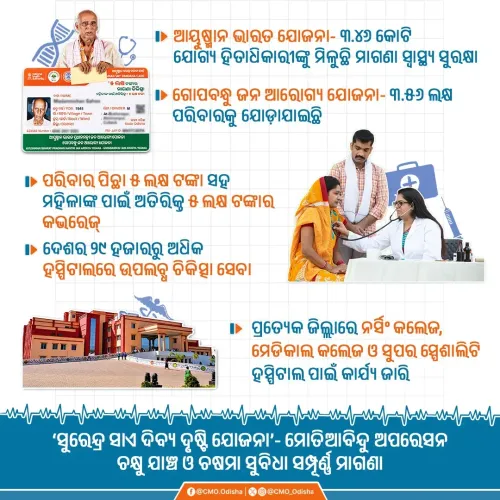
Majhi linked the tribute directly to the Gopabandhu Jan Arogya Yojana , the state's cashless health assurance scheme named after the reformer.
The CM stated the scheme is delivering quality healthcare to Odisha residents, building towards a 'strong and healthy Odisha.' The move reflects a broader pattern in Indian state governance of naming welfare schemes after revered historical figures to connect policy with cultural legacy.
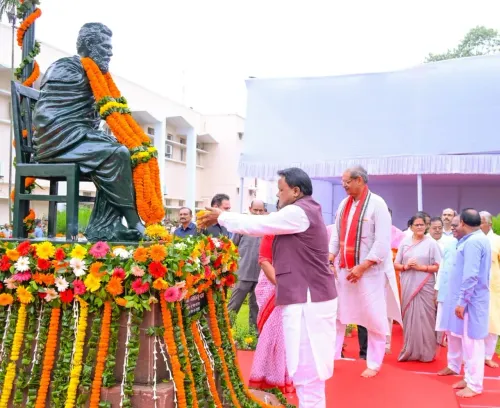
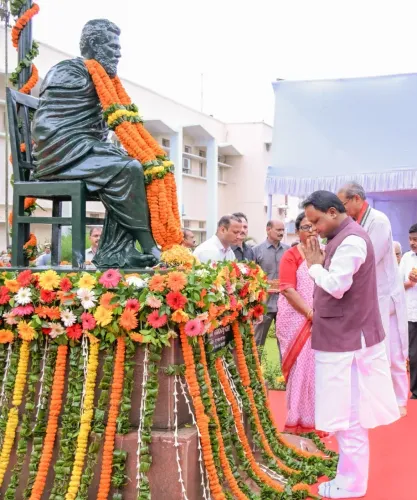
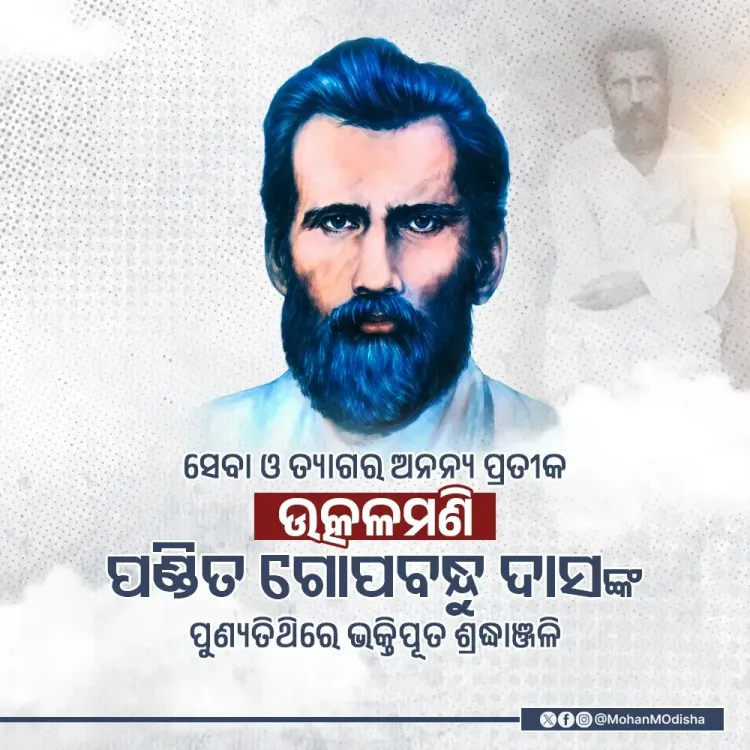
Odisha Chief Minister Mohan Charan Majhi on Wednesday, 17 June 2026, paid tribute to freedom fighter and social reformer Utkalmani Pandit Gopabandhu Das on his death anniversary, linking the icon's legacy to the state government's ongoing health assurance initiative, the Gopabandhu Jan Arogya Yojana.
Writing in Odia on X, the Chief Minister offered what he described as a 'bhaktiputa shraddhanjali' (devotion-filled tribute) to Gopabandhu Das, stating: 'The great freedom fighter and distinguished social reformer Utkalmani Pandit Gopabandhu Das's contributions to the service, education, and humanity of Odisha will always be remembered.' Majhi added that his government is working to ensure the health security of the people of the state, inspired by Gopabandhu Das's ideals of public service.
Context
Gopabandhu Das (1877–1928), revered as Utkalmani (Jewel of Odisha), was a towering figure in Odisha's freedom movement and social reform landscape. A journalist, poet, and public servant, he founded the influential Odia newspaper The Samaja in 1919 and championed grassroots causes including education and community health. His death anniversary is observed each year as a moment of state-level reflection on his enduring legacy.
Chief Minister Majhi, who leads the BJP government in Odisha since June 2024, invoked Gopabandhu Das's name explicitly in the context of healthcare delivery — a deliberate alignment of historical moral authority with current policy.
Policy Backdrop
The Gopabandhu Jan Arogya Yojana is the Odisha government's health assurance scheme designed to provide cashless medical treatment to residents of the state. By naming the scheme after Gopabandhu Das, the government draws a direct line between his early 20th-century emphasis on community welfare and contemporary public health infrastructure.
Majhi's post stated that through this scheme, 'quality healthcare services are now reaching people, which is further strengthening the foundation of a strong and healthy Odisha.' This framing positions the scheme not merely as a welfare programme but as a continuation of a century-old tradition of public service rooted in Odia identity.
Stakeholders and Impact
The primary beneficiaries of the Gopabandhu Jan Arogya Yojana are Odisha's general population, particularly those in rural and semi-urban areas who depend on public health infrastructure for cashless treatment. The scheme's reach and district-level rollout remain a focus area for the state health department.
Naming welfare schemes after revered historical figures is a well-established pattern across Indian state governments, serving both a policy communication function — associating public programmes with trusted legacies — and a political one, reinforcing a ruling party's connection to regional cultural pride.
What's Next
With the death anniversary serving as a platform to highlight the scheme, attention will turn to the state health department's release of district-level coverage data and beneficiary figures for the Gopabandhu Jan Arogya Yojana. Any expansion announcements or budgetary allocations linked to the scheme in coming weeks will indicate how central the Gopabandhu legacy remains to the Majhi government's welfare messaging.
Point of View
CM Majhi is doing more than offering a ceremonial tribute — he is anchoring the BJP government's welfare identity in Odisha's own cultural and historical canon. This is a deliberate strategy: associating a relatively new administration with a century-old reformer revered across party lines lends the scheme moral weight that purely administrative messaging cannot. It also signals that the Majhi government intends to use health delivery as a central pillar of its public narrative in Odisha, a state where healthcare access remains a persistent electoral and governance concern.
NationPress
18 Sept 2026
Frequently Asked Questions
Who was Gopabandhu Das and why is he important in Odisha?
Gopabandhu Das (1877–1928), known as Utkalmani or 'Jewel of Odisha,' was a freedom fighter, social reformer, journalist, and poet who founded the Odia newspaper The Samaja in 1919. He is revered in Odisha for his work in education, community health, and public service during the independence movement.
What is the Gopabandhu Jan Arogya Yojana?
The Gopabandhu Jan Arogya Yojana is an Odisha government health assurance scheme that provides cashless medical treatment to residents of the state. It is named after the reformer Gopabandhu Das to reflect his legacy of public service.
Why did CM Mohan Majhi post about Gopabandhu Das on 17 June 2026?
17 June is the death anniversary of Utkalmani Pandit Gopabandhu Das. CM Mohan Charan Majhi used the occasion to pay tribute and highlight the state government's Gopabandhu Jan Arogya Yojana health scheme as an extension of the reformer's ideals.
What did Mohan Charan Majhi say about the Gopabandhu Jan Arogya Yojana?
Majhi stated that through the Gopabandhu Jan Arogya Yojana, quality healthcare services are now reaching the people of Odisha, which is strengthening the foundation of a strong and healthy Odisha, inspired by Gopabandhu Das's ideals of public service.
When did Mohan Charan Majhi become Chief Minister of Odisha?
Mohan Charan Majhi of the BJP became Chief Minister of Odisha in June 2024.