CM Majhi backs Ayushman Bharat-Gopabandhu scheme for Odisha
Synopsis
Odisha Chief Minister Mohan Charan Majhi on 14 June 2026 credited the merged Ayushman Bharat-Gopabandhu Jan Arogya Yojana with bringing cashless, quality healthcare to economically weaker and middle-income families across the state, framing it as a pillar of the 'Viksit Bharat' vision.
Key Takeaways
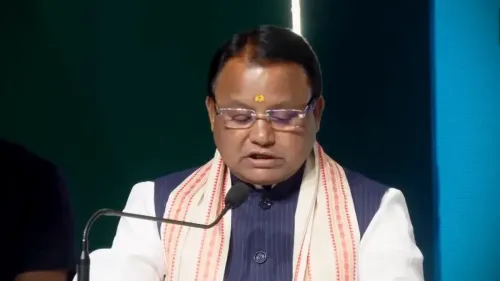
Odisha Chief Minister Mohan Charan Majhi on 14 June 2026 publicly endorsed the Ayushman Bharat-Gopabandhu Jan Arogya Yojana as a transformative health initiative for the state.
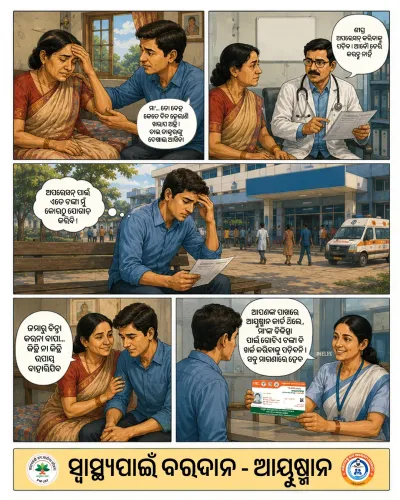
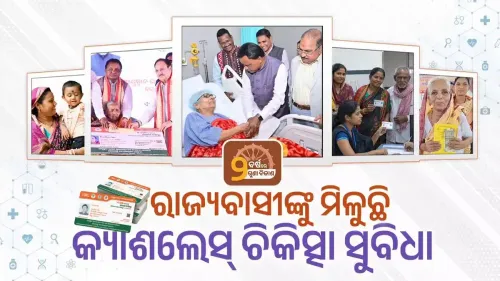
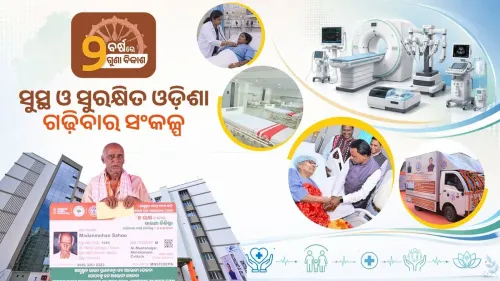
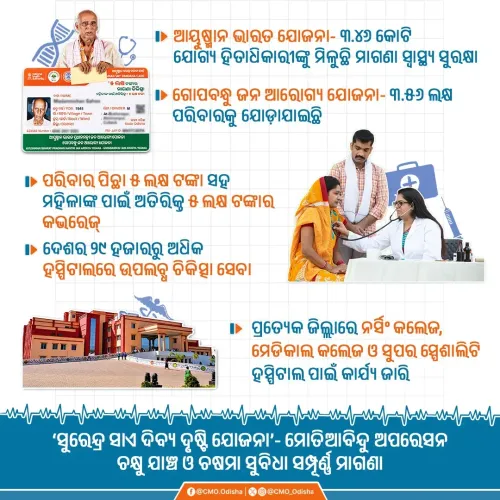
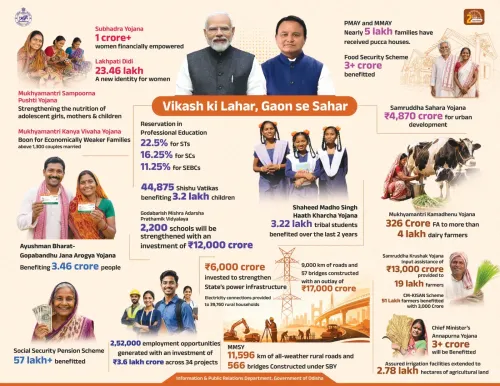
The merged scheme provides cashless treatment at both government and empanelled private hospitals for economically weaker and middle-income families in Odisha .
The central Ayushman Bharat scheme, launched in 2018 , covers up to Rs 5 lakh per family per year and targets over 10 crore vulnerable families nationally.
Majhi framed the initiative within the BJP's 'double-engine government' model, citing coordination between the Odisha state government and the Centre under PM Narendra Modi .
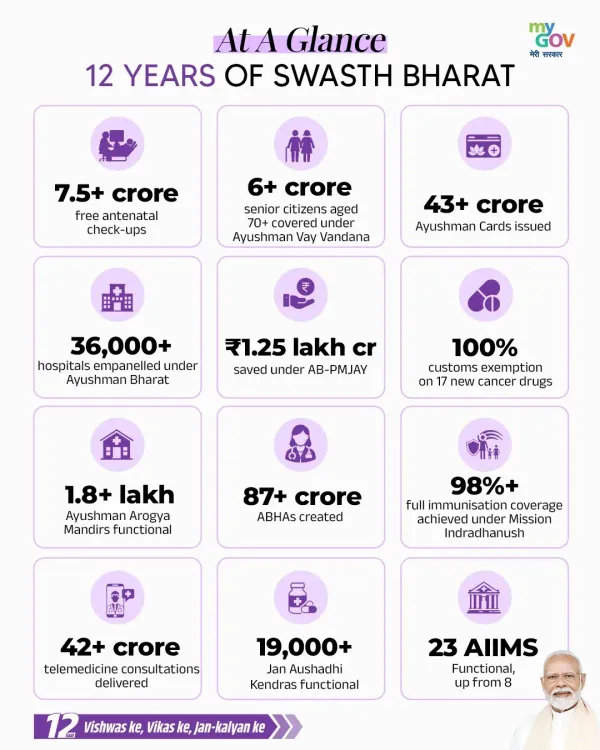
The post was tagged #12YearsOfSwasthBharat , situating Odisha's health push within a national BJP governance narrative.
Majhi pledged that ensuring no citizen loses savings to medical costs remains the government's highest priority , with efforts to continue uninterrupted.
Odisha Chief Minister Mohan Charan Majhi on Sunday, 14 June 2026 praised the healthcare transformation under Prime Minister Narendra Modi, highlighting how the merged Ayushman Bharat-Gopabandhu Jan Arogya Yojana is providing cashless medical treatment to economically weaker and middle-income families across Odisha.
Context
Writing in Odia, Chief Minister Majhi described the Modi government's governance and welfare journey as creating 'ଏକ ନୂତନ ବିଶ୍ୱାସ ଓ ସୁରକ୍ଷାର ସ୍ୱର୍ଣ୍ଣିମ ଅଧ୍ୟାୟ' ('a golden chapter of new trust and security') in the lives of citizens. He framed healthcare reform as central to realising the vision of a 'Viksit Bharat' — a developed India. The post was tagged #12YearsOfSwasthBharat, marking twelve years of the BJP-led central government's health initiatives.
Majhi specifically pointed to the burden of medical expenditure on ordinary households, stating that freeing people from the anxiety of treatment costs — particularly for financially weaker and middle-class families — is the government's primary goal.
Policy Backdrop
The Ayushman Bharat Pradhan Mantri Jan Arogya Yojana, launched nationally in 2018, provides health insurance coverage of up to Rs 5 lakh per family per year for secondary and tertiary hospitalisation, targeting over 10 crore economically vulnerable families across India. In Odisha, this central scheme has been merged with the state's own Gopabandhu Jan Arogya Yojana, creating a combined programme that enables beneficiaries to access free, quality treatment at both government facilities and empanelled private hospitals.
The BJP formed its first-ever government in Odisha following the 2024 state elections, aligning the state's welfare architecture with central schemes under what the party calls the 'double-engine government' model — a framework in which a BJP-ruled state and the BJP-led Centre work in coordination to deliver welfare programmes.
Stakeholders and Impact
The primary beneficiaries of the merged scheme are economically weaker section (EWS) families and middle-income households in Odisha who previously faced significant out-of-pocket medical expenditure. By empanelling both public and established private hospitals, the scheme aims to give beneficiaries a broader choice of healthcare providers without financial stress.
Chief Minister Majhi emphasised that no citizen should have to lose their savings to access medical care, calling quality healthcare for every resident the government's 'highest priority.' He pledged that this effort would continue uninterrupted in the days ahead.
What's Next
The coming months will test the on-ground reach of the Ayushman Bharat-Gopabandhu Jan Arogya Yojana through district-level enrolment numbers, the pace of hospital empanelment, and claim settlement ratios. As Odisha's BJP government consolidates its first full year in office, the performance of merged health schemes will be a key metric of the 'double-engine' governance model's effectiveness in a state that had long been governed by a rival party. Majhi's public endorsement signals that healthcare delivery will remain a central political and administrative priority for his administration.
Point of View
Timed to the #12YearsOfSwasthBharat hashtag — a signal that the BJP's first Odisha government intends to make welfare convergence its political calling card. By invoking the 'double-engine' framework, Majhi is not merely acknowledging a scheme but staking a claim to shared credit for outcomes on the ground. The emphasis on middle-class households alongside EWS beneficiaries suggests an electoral calculus that extends beyond traditional welfare constituencies. How quickly the merged scheme translates into verifiable claim settlements will determine whether this narrative holds at the district level.
NationPress
13 Sept 2026
Frequently Asked Questions
What is the Ayushman Bharat-Gopabandhu Jan Arogya Yojana in Odisha?
It is a merged health insurance scheme combining the central government's Ayushman Bharat Pradhan Mantri Jan Arogya Yojana with Odisha's state-level Gopabandhu Jan Arogya Yojana, providing cashless treatment up to Rs 5 lakh per family per year at government and empanelled private hospitals.
Who is eligible for the Ayushman Bharat scheme in Odisha?
The scheme primarily targets economically weaker section families and middle-income households in Odisha, in line with the national programme's focus on over 10 crore vulnerable families across India.
What did Odisha CM Mohan Charan Majhi say about healthcare on 14 June 2026?
CM Majhi praised the healthcare transformation under PM Modi, stating that the Ayushman Bharat-Gopabandhu Jan Arogya Yojana has become an 'impenetrable shield' for countless families in Odisha, enabling free and quality treatment without financial anxiety.
When was Ayushman Bharat launched in India?
Ayushman Bharat Pradhan Mantri Jan Arogya Yojana was launched nationally in 2018 to provide health insurance coverage to economically vulnerable families across India.
What is the double-engine government model in Odisha?
The 'double-engine government' refers to the BJP governing both the state of Odisha and the Centre simultaneously, enabling coordinated implementation of central welfare schemes such as Ayushman Bharat at the state level — a model Majhi cited in his 14 June 2026 post.