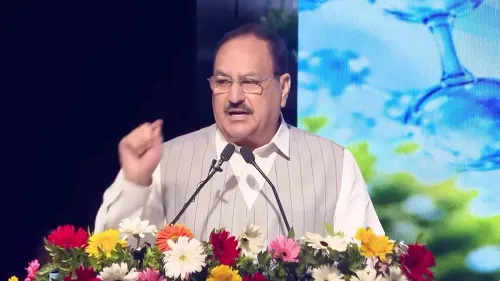
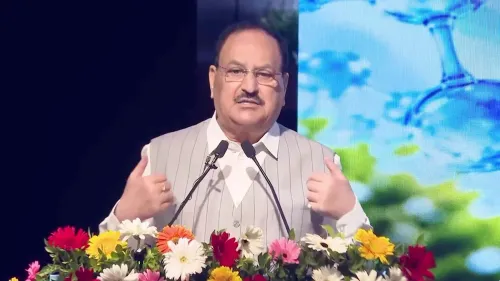
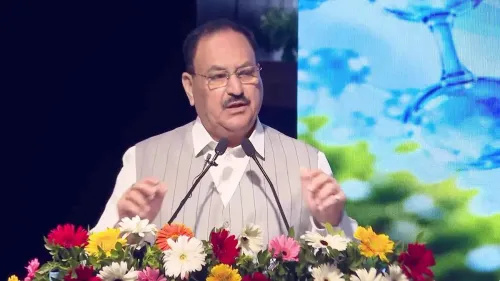
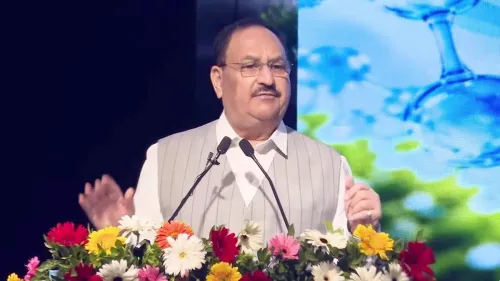
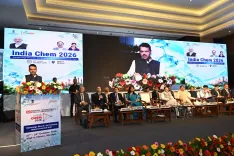
Nadda at IndiaChem2026: Time to Scale India's Chemical Sector
Synopsis
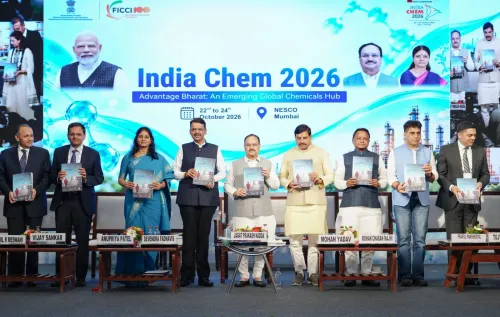
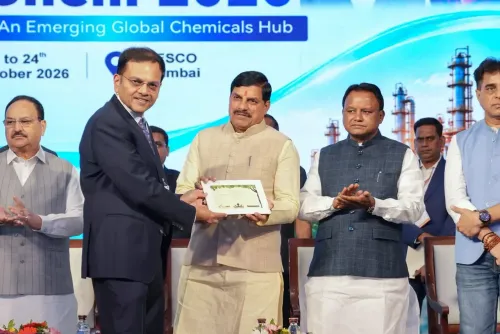
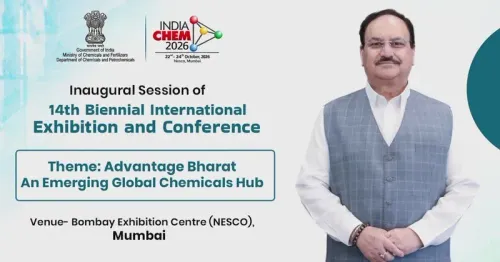
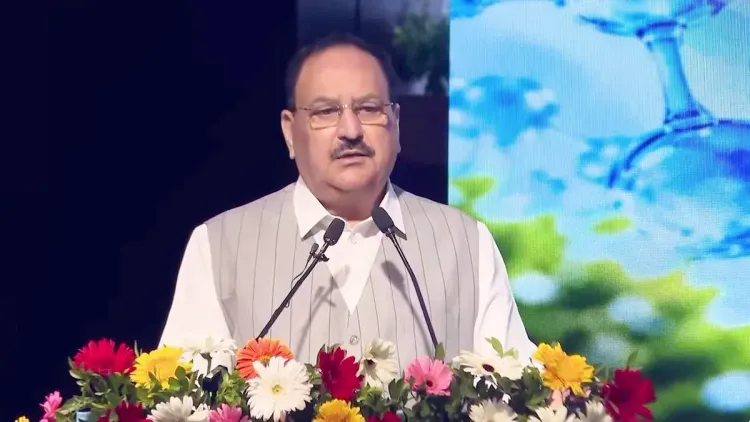
Union Minister J. P. Nadda addressed IndiaChem2026, calling it a shared platform for policymakers, investors, and innovators, and urged stakeholders to leverage current policy conditions to take India's chemicals and petrochemicals industry to new heights.
Key Takeaways
Nadda addressed the IndiaChem2026 platform on October 22, 2026 , representing the Ministry of Chemicals and Fertilizers.
Nadda described IndiaChem2026 as a forum uniting policymakers, industry leaders, investors, and innovators to strengthen the chemicals and petrochemicals sector.
He stated the sector currently stands in a 'favourable position for growth' backed by clear policy thinking and positive industry partnerships.
The PCPIR (Petroleum, Chemicals and Petrochemicals Investment Regions) policy, notified in 2007 , provides the foundational framework for India's sector investment zones.
Outcomes from the event — including investment announcements and policy measures from the Department of Chemicals and Petrochemicals — will be closely tracked.
India's chemicals and petrochemicals industry has a rare window of alignment — supportive policy, fresh capital interest, and a government committed to domestic manufacturing — and Union Minister J. P. Nadda used the IndiaChem2026 platform on Thursday, October 22, 2026 to make the case that this moment must not pass unused.
Speaking through the industry forum, Nadda said the event brings together 'नीति निर्माताओं, इंडस्ट्री लीडर्स, निवेशकों और नवाचारकर्ताओं' ('policymakers, industry leaders, investors, and innovators') on a shared platform where the exchange of ideas can 'strengthen the growth potential of the chemicals and petrochemicals sector.' He added that with 'clear thinking, enabling policies and positive partnerships,' the sector stands in a favourable position for expansion — and that it is now time to seize those opportunities and take India's chemicals and petrochemicals industry to new heights.
What IndiaChem2026 is designed to do
IndiaChem is an industry-facing platform specifically designed for chemicals and petrochemicals collaboration and investment promotion. As Minister of Chemicals and Fertilizers, Nadda sits at the intersection of policy design and industrial execution for the sector, giving his presence at the event both symbolic and administrative weight. The platform is positioned as the venue where intent translates into deals, partnerships, and policy signals for investors scouting India as a manufacturing base.
A sector with deep policy roots — and fresh urgency
India's ambitions in this space are not new. The Petroleum, Chemicals and Petrochemicals Investment Regions (PCPIR) policy, notified in 2007, laid the foundation for integrated investment zones to cluster production, attract capital, and build supply-chain depth. What successive governments have added since is a sustained push to reduce import reliance and encourage domestic technology adoption — the same logic Nadda invoked when he spoke of 'favourable conditions for growth.'
The sector's strategic appeal is straightforward: chemicals feed into pharmaceuticals, agriculture, textiles, construction, and electronics — virtually every pillar of India's manufacturing ambitions. A strong domestic chemicals base is less a niche goal and more a prerequisite for broader industrial self-reliance.
The ask from investors and manufacturers
Forums like IndiaChem matter because the chemicals industry — capital-intensive, regulation-sensitive, and globally competitive — moves on signals. Investors and chemical manufacturers watch for policy consistency, regulatory clarity, and infrastructure commitment before committing to large-scale plant investments. Nadda's framing of the current moment as one of 'clear thinking and enabling policies' is precisely the kind of signal the sector looks for from the ministry that controls its policy levers.
The outcomes from IndiaChem2026 — whether investment pledges, new policy instruments, or roadmaps from the Department of Chemicals and Petrochemicals — will be the real measure of whether this moment of alignment converts into ground-level growth.
Point of View
Nadda reinforces that the sector enjoys political attention at the top tier. The invocation of 'clear thinking and enabling policies' is a deliberate counter to investor anxieties about regulatory volatility — a known deterrent in the chemicals space. Whether this translates into measurable investment commitments will determine if IndiaChem2026 is a signal or a milestone.
NationPress
22 Oct 2026
Frequently Asked Questions
What is IndiaChem2026?
IndiaChem2026 is an industry platform focused on chemicals and petrochemicals collaboration and investment promotion, bringing together policymakers, industry leaders, investors, and innovators to discuss growth opportunities in the sector.
What did J. P. Nadda say at IndiaChem2026?
Nadda said IndiaChem2026 provides a shared platform for stakeholders to exchange ideas, and that with clear policy thinking and positive partnerships, the chemicals and petrochemicals sector is in a favourable position — calling it time to seize these opportunities and take the industry to new heights.
What is the PCPIR policy in India?
The Petroleum, Chemicals and Petrochemicals Investment Regions (PCPIR) policy was notified in 2007 to create integrated investment zones for the chemicals and petrochemicals sector, aimed at clustering production and attracting large-scale capital.
Which ministry does J. P. Nadda head for the chemicals sector?
J. P. Nadda is the Union Minister of Chemicals and Fertilizers, in addition to holding the Health and Family Welfare portfolio. He is also the national president of the BJP.
Why is India's chemicals sector considered strategically important?
India's chemicals sector feeds into pharmaceuticals, agriculture, textiles, construction, and electronics — making it a foundational pillar for broader manufacturing self-reliance and reducing import dependence.