Nadda Honours Emergency-Era Freedom Fighters at Patna Event
Synopsis
Union Health Minister and BJP president J. P. Nadda attended the Samvidhan Hatya Diwas commemoration in Patna on 25 June 2026, honouring democracy fighters of the 1975 Emergency era and senior Jan Sangh leaders, while drawing a sharp contrast with Congress's political legacy.
Key Takeaways
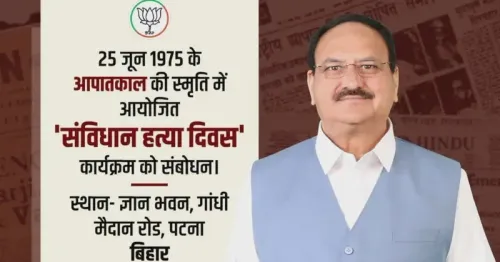
Nadda attended the Samvidhan Hatya Diwas event in Patna, Bihar on 25 June 2026 , marking 51 years since the Emergency's imposition.
The event honoured Loktantra Senaniyon (democracy fighters) who resisted the 1975 Emergency under Loknayak Jayaprakash Narayan's leadership, as well as senior Jan Sangh leaders.
Nadda recalled that JP's Sampoorna Kranti call on 5 June 1975 from Gandhi Maidan, Patna awakened democratic consciousness across the country.
The minister described the Emergency as an act by a 'power-arrogant Congress government' that 'crushed the soul of the Constitution' and stripped crores of citizens of their rights.
Nadda drew a contemporary political parallel, asserting that Congress and its allies still exhibit the same 'intolerance towards democratic values.' The BJP has institutionalised annual June 25 observances as Samvidhan Hatya Diwas to frame the Emergency as an attack on constitutional values.
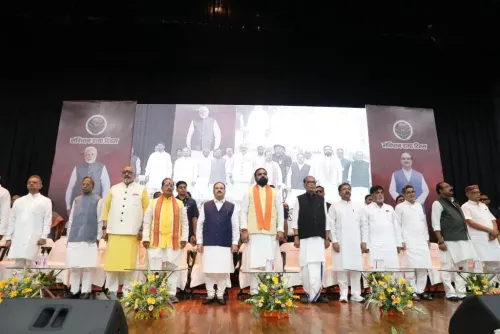
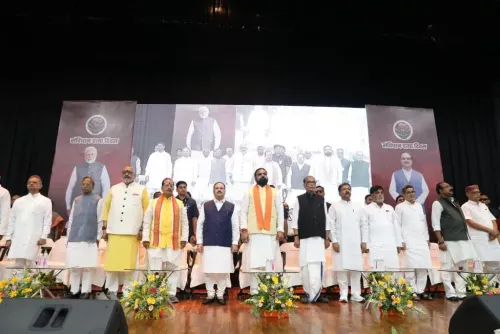
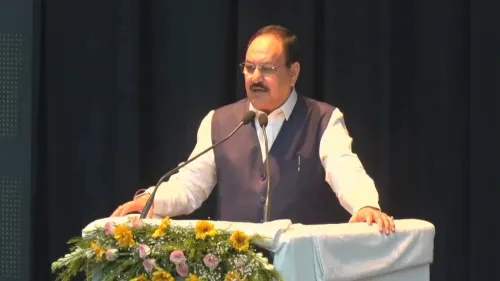
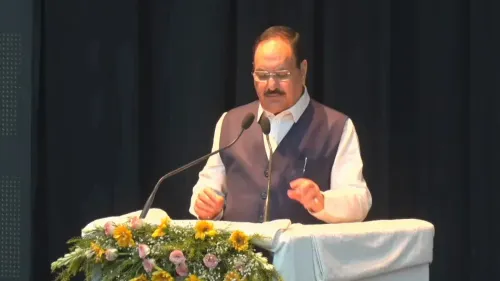
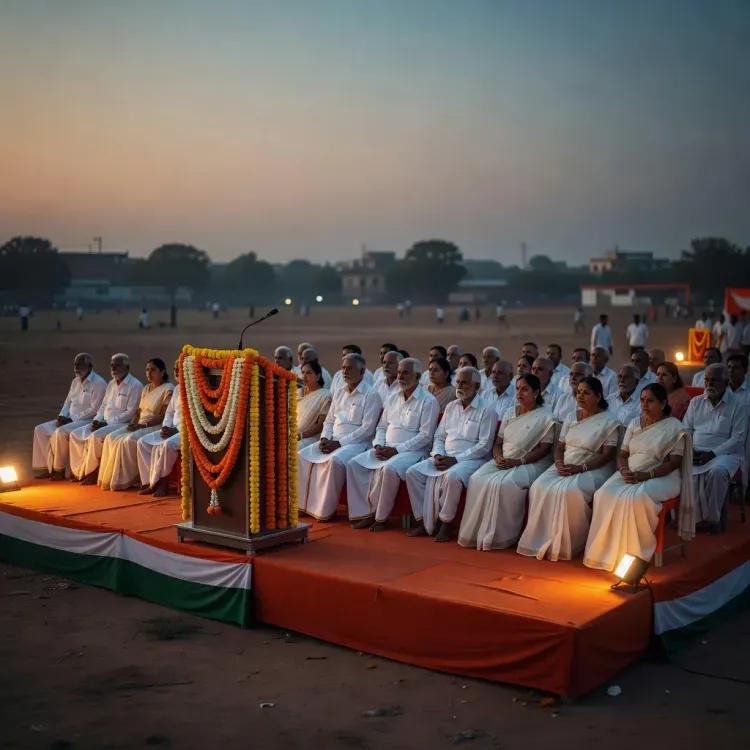
Union Health Minister and BJP national president J. P. Nadda on Thursday, 25 June 2026, attended the Samvidhan Hatya Diwas (Constitution Murder Day) commemoration in Patna, Bihar, honouring democracy fighters who resisted the 1975 Emergency and senior Jan Sangh leaders who contributed to the national cause.
Context
Nadda's post, written in Hindi, recalls the imposition of the Emergency on 25 June 1975 under the Congress government, describing it as an act that 'crushed the soul of the Constitution.' He notes that the fundamental rights of crores of citizens were snatched away, freedom of expression was suppressed, and democracy was held hostage. The minister also shared a personal connection, stating that as an active participant in student politics, he had the good fortune of being part of that historic struggle.
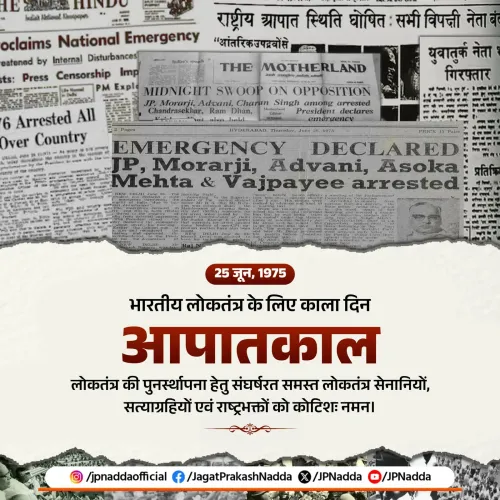
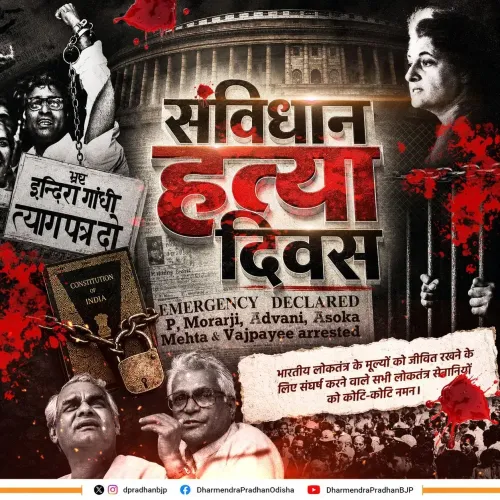
The event was held on the 51st anniversary of the Emergency's imposition, a date the BJP has marked as Samvidhan Hatya Diwas — Constitution Murder Day — since institutionalising annual June 25 observances as a counter-narrative to what the party frames as Congress's authoritarian legacy.
Policy Backdrop
The national Emergency was declared under Article 352 of the Constitution by the Indira Gandhi-led Congress government on 25 June 1975 and remained in force until March 1977, during which period fundamental rights were suspended and mass arrests were carried out across the country. The resistance to the Emergency found its most prominent voice in Loknayak Jayaprakash Narayan, popularly known as JP, who on 5 June 1975 issued his call for Sampoorna Kranti (Total Revolution) from Gandhi Maidan, Patna — the very ground that lent the movement its geographic and symbolic heart.
The Jan Sangh, the BJP's predecessor organisation, was among the parties whose leaders joined the underground resistance and faced imprisonment during the Emergency years. The Patna venue for the 2026 event thus deliberately invokes the geographic origin of the 1975 resistance, reinforcing the BJP's claim to the JP legacy.
Stakeholders and Impact
At the Patna event, Nadda honoured JP movement veterans — referred to as Loktantra Senaniyon (democracy fighters) — and senior Jan Sangh leaders for their role in the anti-Emergency struggle. He paid tribute to all 'JP fighters' (JP Sainaniyon), saluting those who fought for democracy with their full strength and dedication and made the movement a success.
Nadda also drew a direct political line to the present, asserting that even today, 'the same intolerance towards democratic values and power-centric mindset is visible in the political thinking of Congress and its allied parties.' This framing positions the commemoration not merely as a historical tribute but as a live political argument ahead of the 2027 election cycle.
What's Next
Similar state-level Samvidhan Hatya Diwas events are expected across BJP-governed states, and the Emergency anniversary narrative is likely to feature in parliamentary discourse during the upcoming monsoon session. With Bihar's own political calendar in view, the Patna event underscores the BJP's strategy of anchoring its democratic credentials in the JP movement's legacy — a legacy that cuts across party lines in the state and carries significant electoral resonance.
Point of View
Nadda lends biographical authenticity to what is otherwise a carefully choreographed annual counter-narrative against Congress. The sharp contemporary dig at Congress and its allies signals that Samvidhan Hatya Diwas is as much a forward-looking electoral instrument as it is a backward-looking tribute. With Bihar's political arithmetic always in flux, the choice of Gandhi Maidan's symbolic geography is unlikely to be accidental.
NationPress
24 Sept 2026
Frequently Asked Questions
What is Samvidhan Hatya Diwas and why is it observed on 25 June?
Samvidhan Hatya Diwas , or Constitution Murder Day, is observed on 25 June to mark the anniversary of the 1975 Emergency imposed by the Congress government on that date, which suspended fundamental rights and democratic freedoms. The BJP institutionalised the annual observance to commemorate the constitutional crisis and honour those who resisted it.
What was Jayaprakash Narayan's role in the Emergency resistance?
Loknayak Jayaprakash Narayan (JP) led the nationwide opposition to the Emergency, issuing his famous call for Sampoorna Kranti (Total Revolution) on 5 June 1975 from Gandhi Maidan, Patna , which unified students, socialists, and parties including the Jan Sangh against the Indira Gandhi government.
What is the Jan Sangh's connection to the Emergency?
The Jan Sangh , the predecessor to the BJP, was among the political organisations whose senior leaders actively participated in the underground resistance against the 1975 Emergency and faced mass arrests and imprisonment during the period, which lasted until March 1977 .
What did J. P. Nadda say about Congress at the Patna event?
Nadda stated that the Congress government of 1975 'crushed the soul of the Constitution' through the Emergency, stripping crores of citizens of their rights and suppressing freedom of expression. He further said that even today, Congress and its allied parties display the same 'intolerance towards democratic values and power-centric mindset.'
Why was the Samvidhan Hatya Diwas event held in Patna?
Patna holds deep symbolic significance as the city where Loknayak Jayaprakash Narayan launched the Sampoorna Kranti movement from Gandhi Maidan in June 1975, making it the geographic origin of the anti-Emergency resistance that the BJP seeks to commemorate and claim as part of its democratic legacy.