Nadda Launches IndiaChem2026 in Mumbai, Bets on Chemicals Sector
Synopsis
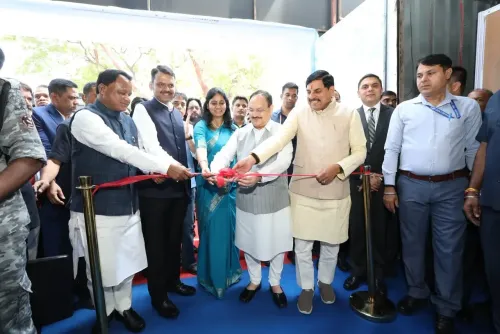
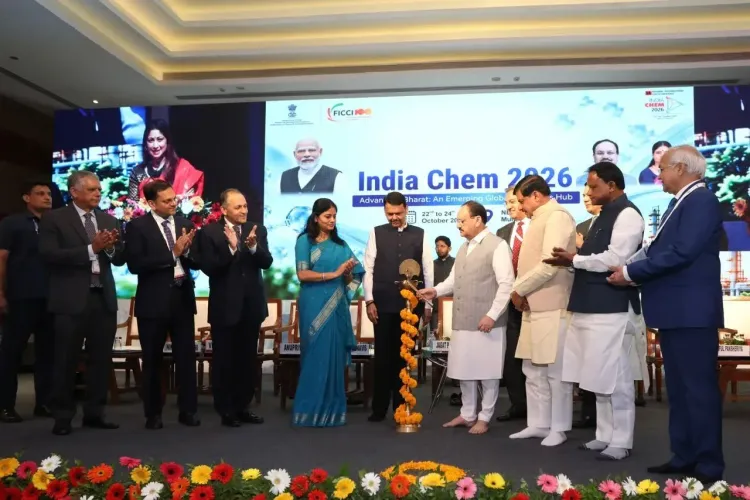
Union Minister J. P. Nadda inaugurated IndiaChem2026, the 14th biennial international chemicals and petrochemicals conference, in Mumbai on October 22, tying the sector's growth to PM Modi's Viksit Bharat vision and calling for collective participation from government, industry and citizens.
Key Takeaways
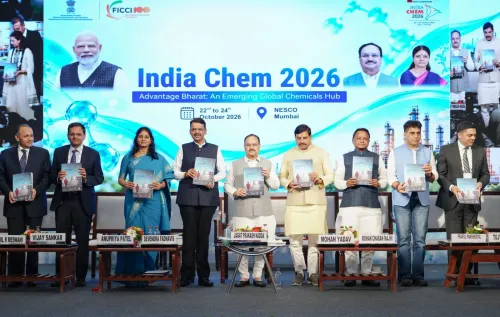
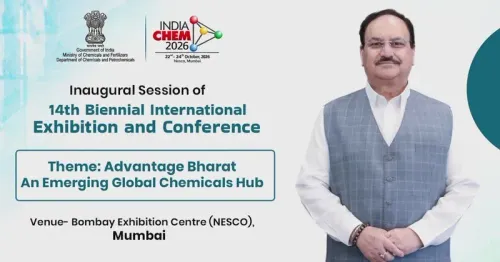
Nadda launched IndiaChem2026 , the 14th biennial international chemicals and petrochemicals exhibition, in Mumbai on October 22, 2026 .
The minister described India's chemicals and petrochemicals sector as 'well-positioned for growth' backed by enabling policies and industry participation.
The event was tied to PM Narendra Modi 's Viksit Bharat vision of a developed India by 2047 , requiring participation from government, industry and 140 crore citizens .
India's chemicals sector policy lineage includes the PCPIR policy (notified 2007 ) and the Make in India initiative ( 2014 ), both targeting investment and manufacturing growth in this space.
Post-conference investment announcements and potential new PCPIR notifications are the key policy developments to watch next.
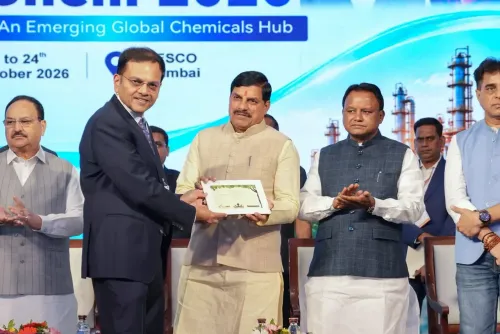
India's chemicals and petrochemicals sector took centre stage in Mumbai on Thursday, October 22, 2026, as Union Minister of Chemicals and Fertilizers J. P. Nadda inaugurated the 14th Biennial International Exhibition and Conference, IndiaChem2026 — the country's flagship platform for an industry that successive governments have placed at the heart of the Atmanirbhar Bharat manufacturing push.
India's chemicals ambition lands in Mumbai
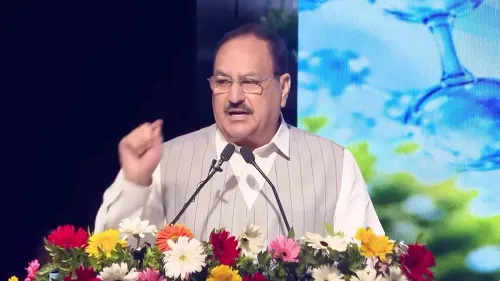
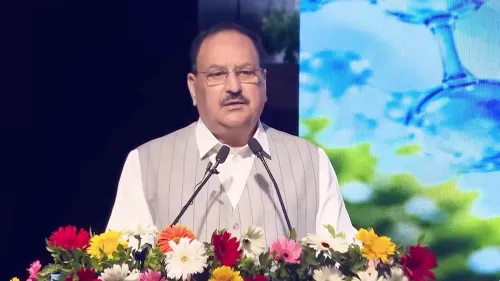
Addressing the conference, Nadda declared that India's chemicals and petrochemicals sector is 'well-positioned for growth' on the back of 'clear vision, enabling policies and positive industry participation.' The minister underscored that Prime Minister Narendra Modi's government is working 'closely with industry stakeholders through a holistic approach to unlock the sector's immense potential' — signalling that policy support will continue to flow beyond the event itself.
IndiaChem, held every two years, brings together chemical manufacturers, petrochemical companies, global investors and policymakers under one roof. The 14th edition of the conference marks another milestone in a series that has increasingly been used to announce enabling policies and attract foreign and domestic investment into one of India's most import-heavy industrial segments.
Viksit Bharat as the sector's north star
Nadda explicitly linked the sector's growth ambitions to the government's overarching Viksit Bharat vision — the national mission to transform India into a fully developed economy by 2047. 'The vision of Viksit Bharat can be realised only through the collective participation of the Government, industry and 140 crore citizens,' he said, framing the chemicals sector as a core pillar of that larger national project, not a peripheral manufacturing sub-segment.
The framing is deliberate. India's chemicals and petrochemicals industry has long carried a structural vulnerability — high import dependence on key intermediates and raw materials. Platforms like IndiaChem are where that vulnerability is meant to be converted into investment commitments and capacity additions. The Petroleum, Chemicals and Petrochemicals Investment Regions (PCPIR) policy, first notified in 2007, was designed precisely to create integrated investment zones to address this gap. The Make in India initiative, launched in 2014, later identified chemicals and petrochemicals as priority sectors for manufacturing growth and foreign direct investment.
What the industry will be watching next
The real measure of IndiaChem2026 will be the investment announcements and potential new PCPIR notifications that follow the conference. Sectors from agrochemicals to specialty chemicals to polymers are all watching for signals on streamlined approvals, export incentives, and infrastructure support — the levers that can turn a 'well-positioned' sector into a genuinely competitive global force.
With the minister's confidence on record and the Prime Minister's industrial vision as the declared framework, the chemicals industry now waits to see which policy commitments move from the conference stage to the gazette.
Point of View
Not merely a legacy sector. By invoking Viksit Bharat, the minister signals that sector performance will increasingly be benchmarked against the 2047 developed-economy target — raising the stakes for policy delivery. The reference to 'holistic approach' and 'enabling policies' is likely a forward signal to industry that regulatory easing or new PCPIR notifications may follow the conference. How quickly investment commitments materialise will determine whether IndiaChem2026 is remembered as a turning point or another aspirational platform.
NationPress
22 Oct 2026
Frequently Asked Questions
What is IndiaChem2026?
IndiaChem2026 is the 14th edition of India's biennial international exhibition and conference on chemicals and petrochemicals, held in Mumbai. It serves as a platform for policy announcements, investment commitments and industry dialogue between government and the chemicals sector.
Who inaugurated IndiaChem2026?
Union Minister of Chemicals and Fertilizers J. P. Nadda inaugurated IndiaChem2026 in Mumbai on October 22, 2026.
What is Viksit Bharat and how does it relate to the chemicals sector?
Viksit Bharat is India's national vision to become a fully developed economy by 2047. Nadda linked the growth of India's chemicals and petrochemicals industry directly to achieving this goal, describing it as requiring collective participation from government, industry and all 140 crore citizens.
What is India's PCPIR policy?
The Petroleum, Chemicals and Petrochemicals Investment Regions (PCPIR) policy was notified in 2007 to create integrated, designated investment zones aimed at expanding domestic chemicals and petrochemicals manufacturing capacity and reducing import dependence.
What should the chemicals industry expect after IndiaChem2026?
Industry observers will watch for follow-up investment announcements, potential new PCPIR notifications, and any budget or regulatory measures that may emerge from the conference. The government has signalled continued policy support to improve export competitiveness and reduce import reliance in the sector.