Nadda Holds Talks With Protesters, Urges End to Sit-In
Synopsis
Union Health Minister J. P. Nadda on 20 July 2026 held direct talks with a protesters' delegation from 11:50 AM, received their written petition at around 4 PM, and publicly appealed to all demonstrators to end their sit-in and help restore normalcy.
Key Takeaways
Protesters approached the government with a dialogue proposal for the first time on the morning of 20 July 2026 .
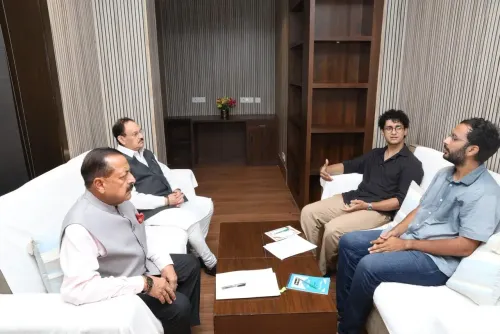
Nadda and the delegation began at 11:50 AM and were described as taking place in a cordial atmosphere.
An initial oral discussion was followed by a formal written petition submitted to Nadda at approximately 4:00 PM .
Nadda publicly appealed to all protesters to end their dharna and assist the administration in restoring normalcy.
The government's formal response to the written petition will determine whether the dialogue leads to a resolution.
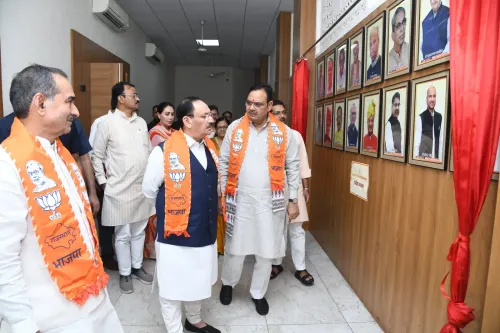
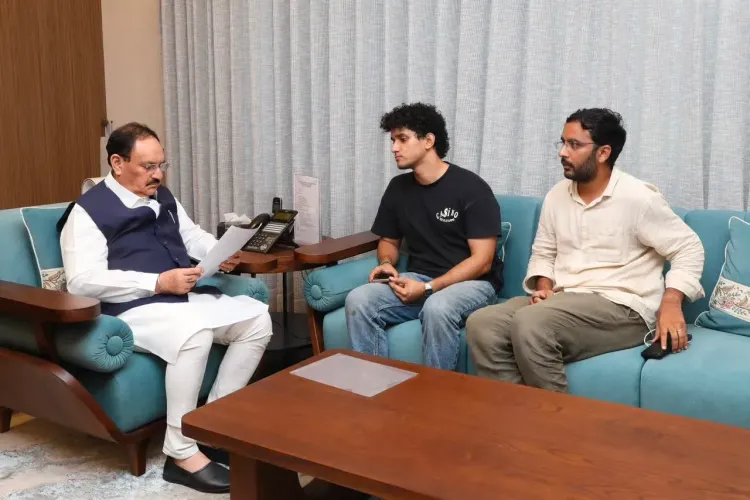
Union Health Minister J. P. Nadda on Monday, 20 July 2026, disclosed that a dialogue with protesters had begun at 11:50 AM after demonstrators approached the government with a proposal for talks — the first such overture from their side. The minister said the meeting took place in a cordial atmosphere, with a formal written petition submitted to him by the delegation at around 4:00 PM.
Context
Posting on X, Nadda wrote in Hindi: 'आज सुबह पहली बार प्रदर्शनकारियों की ओर से सरकार के साथ बातचीत करने का प्रस्ताव आया' ('For the first time this morning, a proposal came from the protesters' side to hold talks with the government'). He noted that oral discussions with the delegation were held in detail before the written petition was received. At the close of the exchange, the minister appealed to all protesters to end their demonstration and assist the administration in restoring normalcy.
The sequence — an initial oral exchange followed by a formal written petition — suggests the protest had been ongoing for some time before both sides agreed to structured engagement. Nadda, in addition to his ministerial portfolios, serves as the national president of the Bharatiya Janata Party (BJP), making his direct involvement in the dialogue politically significant.
Policy Backdrop
Indian governments have a well-established pattern of channelling prolonged sit-in protests into formal petition processes. The approach — oral discussions first, written demands second — is designed to give demonstrators a legitimate grievance outlet while preserving administrative authority. It does not typically imply immediate concessions but signals willingness to place demands on official record.
The involvement of a Union Cabinet minister of Nadda's seniority in direct talks, rather than delegating to a junior official or district administration, indicates the government viewed this protest as requiring high-level attention. His dual role as a senior minister and the ruling party's national president adds a political dimension to what is formally an administrative engagement.
Stakeholders and Impact
The protesters' delegation submitted their grievances in writing, a step that formally places their demands on the government's record and opens a traceable channel for follow-up. Nadda's public appeal for the sit-in to end and for cooperation with the local administration suggests that the demonstration had disrupted routine public services or movement in the affected area.
Local residents and public service users stand to benefit most directly from any restoration of normalcy. The administration, for its part, gains a documented basis — the written petition — on which to frame an official response, whether or not immediate relief is granted.
What's Next
The critical question now is how the government responds to the written petition submitted to Nadda. A formal, time-bound reply would signal genuine engagement; silence or delay risks reigniting the demonstration. Whether protesters heed the minister's appeal to vacate the dharna site will be the immediate indicator of whether Monday's talks succeeded in de-escalating the standoff. The restoration of routine public services in the affected area will serve as the ground-level test of the dialogue's outcome.
Point of View
Buying time while projecting responsiveness. The public appeal to end the dharna, issued the same day as the talks, suggests the government is keen to project momentum toward resolution. Whether the petition receives a substantive reply will be the real test of whether this engagement was substantive or merely optics.
NationPress
20 Oct 2026
Frequently Asked Questions
Why did J. P. Nadda meet with protesters on 20 July 2026?
The meeting took place after protesters approached the government with a proposal for talks for the first time that morning. Nadda held discussions with their delegation from 11:50 AM and received a written petition from them at around 4 PM.
What did the protesters submit to J. P. Nadda?
The protesters' delegation submitted a formal written petition to Nadda at approximately 4:00 PM on 20 July 2026, after an earlier oral discussion detailing their grievances.
Did J. P. Nadda ask protesters to end their dharna?
Yes. Nadda publicly requested all protesters to end their sit-in and cooperate with the administration to help restore normalcy in the affected area.
What happens after the written petition is submitted to the government?
The government is expected to formulate an official response to the petition. A timely and substantive reply would indicate genuine engagement; the protesters' decision on whether to vacate the dharna site will signal how they assess the outcome of the talks.
What is J. P. Nadda's role in the government?
J. P. Nadda serves as Union Minister of Health and Family Welfare and Minister of Chemicals and Fertilizers. He is also the national president of the Bharatiya Janata Party (BJP).