Nagar Sevak Donates ₹2.21 Lakh to CM Fadnavis's Drought Relief Fund
Synopsis
Mumbai nagar sevak Shiva Shetty handed a cheque of ₹2,21,000 to Chief Minister Devendra Fadnavis for the CM Relief Fund, directing aid toward Maharashtra's drought-hit farming communities. CM Fadnavis thanked Shetty for the contribution at a meeting in Mumbai.
Key Takeaways
₹2,21,000 donated to the Chief Minister's Relief Fund by nagar sevak Shiva Shetty in Mumbai .
Funds are designated specifically for drought-affected farmers across Maharashtra.
Chief Minister Devendra Fadnavis personally received the cheque and thanked the donor.
The CM Relief Fund is Maharashtra's state-level mechanism for natural-calamity assistance, including drought relief.
Public representatives contributing to the fund during agricultural distress is an established pattern in Maharashtra's civic culture.
State drought-assessment reports and district-level disbursement announcements are the next key developments to watch.
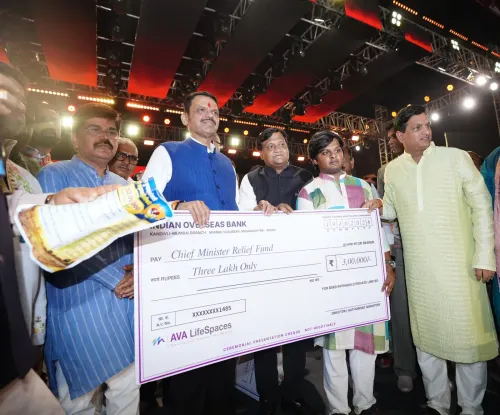
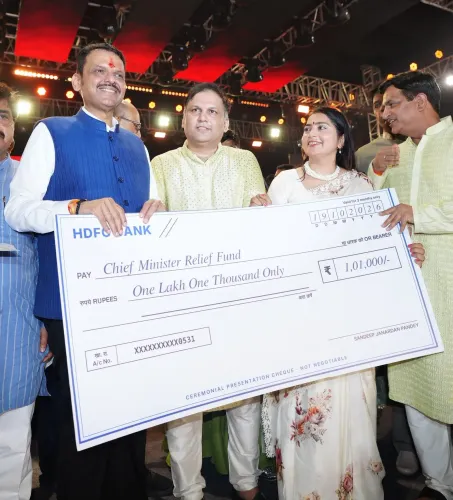
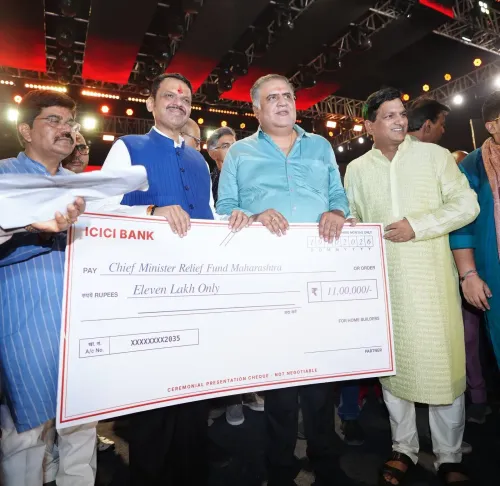
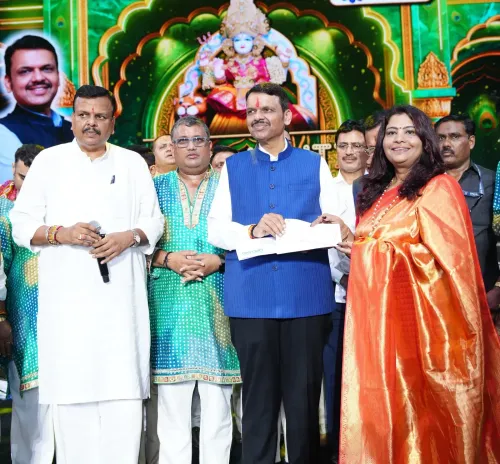
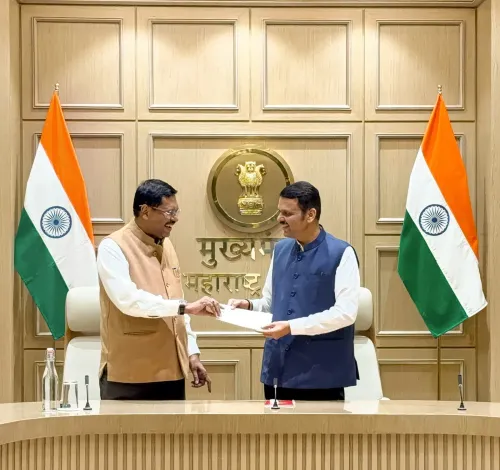
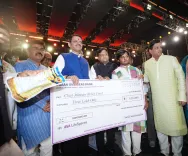
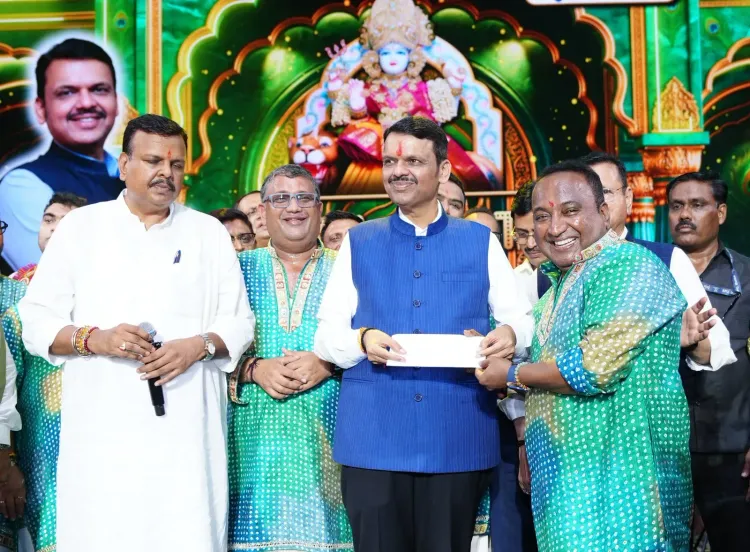
A Mumbai municipal councillor walked into the Chief Minister's Office and handed over a cheque that carried the weight of Maharashtra's parched farmlands. Nagar Sevak Shiva Shetty presented a donation of ₹2,21,000 to the Chief Minister's Relief Fund in Mumbai on Tuesday, 21 October 2026, earmarked specifically for drought-affected farmers across the state — and Chief Minister Devendra Fadnavis personally acknowledged the gesture.
The Chief Minister's Office of Maharashtra shared the moment on X, posting in Marathi: 'मुख्यमंत्री देवेंद्र फडणवीस यांना मुंबई येथे नगरसेवक शिवा शेट्टी यांनी दुष्काळग्रस्त शेतकऱ्यांच्या मदतीसाठी मुख्यमंत्री सहाय्यता निधीमध्ये ₹2,21,000 देणगीचा धनादेश सुपूर्द केला.' — 'Nagar Sevak Shiva Shetty presented a donation cheque of ₹2,21,000 to the Chief Minister's Relief Fund for the assistance of drought-affected farmers at Mumbai.' CM Fadnavis thanked Shetty for the contribution.
What the CM Relief Fund Does for Drought-Hit Farmers
The Chief Minister's Relief Fund is Maharashtra's primary state-level mechanism for channelling emergency assistance to victims of natural calamities, including drought. Historically, the fund has been activated during periods of agricultural distress in regions such as Marathwada and Vidarbha, where erratic monsoon patterns leave farming communities exposed season after season.
Drought relief remains a recurring administrative priority for the Maharashtra government. When scarcity conditions are declared in districts, the fund enables faster disbursement of aid — supplementing central government transfers and crop-insurance payouts — directly to affected cultivators.
Elected Representatives Stepping Up
Public representatives contributing personally — or mobilising collected funds — to the CM Relief Fund during agricultural crises is an established pattern in Maharashtra's political culture. Such donations are publicly acknowledged by the CMO, lending visibility to the state's crisis-response machinery and encouraging similar contributions from other civic bodies and individuals.
Shetty, a nagar sevak based in Mumbai, joins a line of elected officials who have channelled resources toward drought-affected districts at a time when the state government is assessing scarcity conditions and planning district-level fund disbursements.
The next signal to watch: official drought-assessment reports from affected districts and the state government's subsequent announcements on fund allocation to specific talukas and farmers.
Point of View
Modest in scale, is notable for what it signals: elected representatives at the municipal level publicly aligning with the state government's drought-relief narrative. For CM Fadnavis, each such acknowledgment amplifies the visibility of the CM Relief Fund and reinforces a 'whole-of-government' response optic ahead of any formal drought declaration. The gesture also fits a broader pattern in Maharashtra where civic politicians use relief contributions as a soft form of political solidarity with the ruling dispensation. The real test, however, remains how swiftly the fund translates accumulated contributions into verified disbursements for the farmers it is meant to reach.
NationPress
20 Oct 2026
Frequently Asked Questions
What is the Chief Minister's Relief Fund in Maharashtra?
The Chief Minister's Relief Fund is a state-level fund managed by the Maharashtra government to provide emergency financial assistance to victims of natural calamities such as drought, floods, and other disasters.
Who donated to the CM Relief Fund for drought farmers in Maharashtra?
Nagar Sevak Shiva Shetty , a municipal councillor from Mumbai , donated ₹2,21,000 to the Chief Minister's Relief Fund, with the amount earmarked for drought-affected farmers.
How does the CM Relief Fund help drought-affected farmers in Maharashtra?
The fund enables the Maharashtra government to disburse emergency aid to farming communities in drought-declared districts, supplementing central transfers and crop-insurance payouts during periods of agricultural distress.
Which regions of Maharashtra are most affected by drought?
Regions such as Marathwada and Vidarbha are historically the most vulnerable to drought in Maharashtra due to erratic monsoon patterns and rain-shadow geography.
Can individuals or elected representatives donate to the Maharashtra CM Relief Fund?
Yes, individuals, elected representatives, and organisations can contribute to the Chief Minister's Relief Fund. Such donations are publicly acknowledged by the Chief Minister's Office as part of the state's crisis-response visibility.