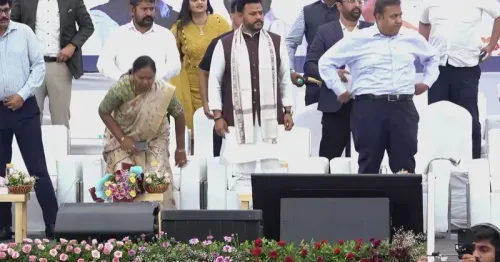
CM Fadnavis attends Nagpur Airport handover to GMR
Synopsis
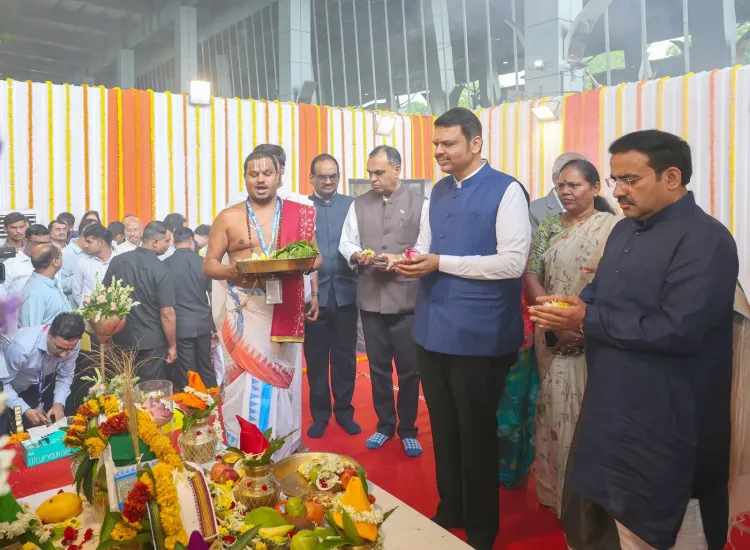
Maharashtra CM Devendra Fadnavis attended the formal handover of Dr. Babasaheb Ambedkar International Airport, Nagpur, from MIHAN India Limited to GMR Airports on 25 June 2026, marked by a traditional puja. The transfer advances India's PPP airport model to the Vidarbha region.
Key Takeaways
Babasaheb Ambedkar International Airport, Nagpur was formally transferred from MIHAN India Limited to GMR Airports on 25 June 2026 .
CM Devendra Fadnavis attended the handover ceremony, which included a traditional puja .
GMR Airports Chairman G B S Raju , MP Maya Ivnate , and MLA Dr.
Parinay Fuke were among the dignitaries present.
The transfer continues India's national shift toward public-private partnership (PPP) models for airport management at tier-2 cities.
Nagpur is positioned as a key secondary aviation and logistics hub in Maharashtra , intended to support balanced regional growth across Vidarbha .
Next milestones include GMR's capital expenditure disclosures, terminal upgrades, and changes in flight connectivity at Nagpur.
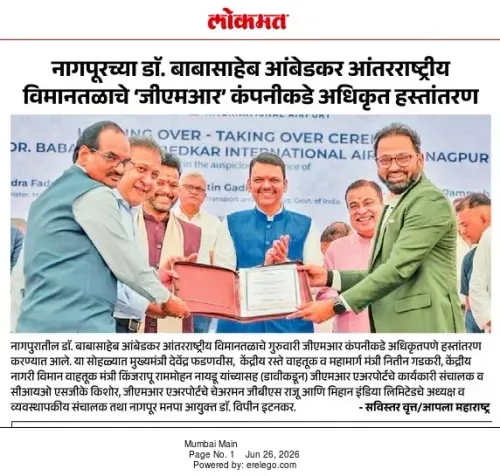
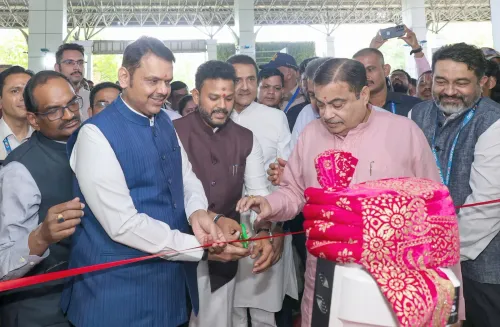
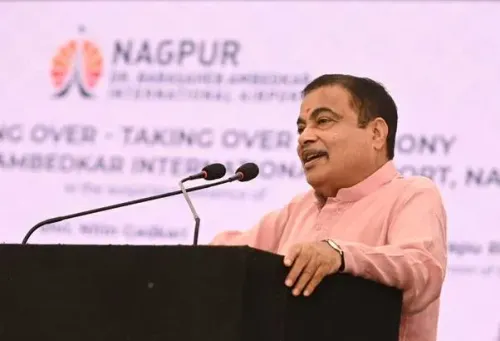
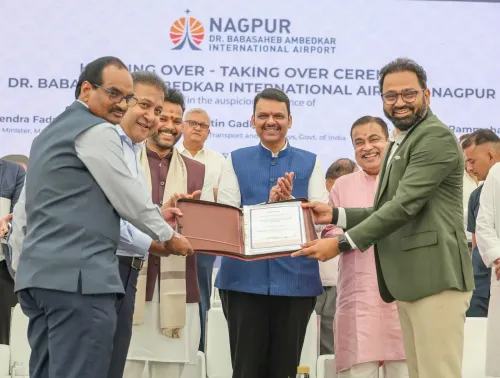
Maharashtra Chief Minister Devendra Fadnavis attended a formal handover ceremony at Dr. Babasaheb Ambedkar International Airport, Nagpur, on Thursday, 25 June 2026, as the airport's management was transferred from MIHAN India Limited to GMR Airports. The occasion was marked with a traditional puja (religious consecration ritual) ahead of the transition.
The Chief Minister's Office of Maharashtra announced the event on X, noting that CM Fadnavis was present for the ceremony and took darshan (blessings) at the puja. Also present were Member of Parliament Maya Ivnate, MLA Dr. Parinay Fuke, and GMR Airports Chairman G B S Raju, along with other dignitaries.
Context
Dr. Babasaheb Ambedkar International Airport is Nagpur's primary aviation gateway, named after B. R. Ambedkar, the principal architect of the Indian Constitution. The airport has historically been managed under the MIHAN India Limited framework — a special-purpose vehicle created to execute the Multi-modal International Hub and Airport at Nagpur (MIHAN) project. The MIHAN initiative was launched in the mid-2000s as a joint state-central government effort to develop Nagpur into a major logistics and aviation hub.
With Thursday's handover, GMR Airports — one of India's largest airport infrastructure firms, already operating major hubs in Delhi and Hyderabad — takes over management of the Nagpur facility under a public-private partnership concession model.
Policy Backdrop
The transfer fits within a broader national pattern of moving airport management from government entities to private operators to improve operational efficiency and expand capacity. India's shift toward PPP (public-private partnership) models in aviation began with metro airports in the early 2000s and has progressively extended to tier-2 cities over the past decade.
Maharashtra has positioned Nagpur as a secondary aviation node with the explicit aim of relieving pressure on Mumbai's airport and supporting balanced regional economic growth across the Vidarbha region. The MIHAN project's initial infrastructure phases were completed by the early 2010s, and Thursday's handover marks a new chapter in the airport's operational history.
Stakeholders and Impact
Air passengers across the Vidarbha region stand to be the most immediate beneficiaries if the transition leads to improved services, expanded routes, or upgraded terminal infrastructure. Logistics and cargo firms operating out of Nagpur — a geographically central location in India — are also closely watching the development.
GMR Airports Chairman G B S Raju's presence at the ceremony signals the conglomerate's direct engagement with the transition at the leadership level. The attendance of elected representatives, including MP Maya Ivnate and MLA Dr. Parinay Fuke, underlines the political significance of the handover for the region.
What's Next
The formal handover sets the stage for GMR Airports to begin active operations at Nagpur. Key milestones to watch include the announcement of any capital expenditure plans for terminal upgrades, changes in domestic and international flight connectivity, and shifts in cargo volumes handled at the airport.
For Maharashtra, the success of the GMR concession at Nagpur could serve as a template for similar PPP transitions at other state airports, reinforcing the government's broader infrastructure and regional development agenda.
Point of View
CM Fadnavis lends state-level endorsement to a deal that directly addresses long-standing demands from Vidarbha's business and political communities for improved connectivity. The entry of GMR, which has a proven track record at Delhi and Hyderabad, raises expectations for operational improvements but also invites scrutiny over concession terms and tariff implications for passengers. If the transition delivers tangible upgrades, it could strengthen the BJP-led government's infrastructure narrative ahead of future electoral cycles in a region that has historically felt neglected by Mumbai-centric development priorities.
NationPress
24 Sept 2026
Frequently Asked Questions
Who took over Nagpur airport from MIHAN India Limited?
GMR Airports took over the management of Dr. Babasaheb Ambedkar International Airport, Nagpur from MIHAN India Limited at a formal ceremony held on 25 June 2026 .
What is MIHAN India Limited?
MIHAN India Limited is a special-purpose vehicle created by the Maharashtra and central governments to execute the Multi-modal International Hub and Airport at Nagpur (MIHAN) project, aimed at developing Nagpur as a major logistics and aviation hub.
Why was Nagpur airport transferred to GMR Airports?
The transfer is part of India's broader policy of moving airport management to private operators under public-private partnership (PPP) models to improve operational efficiency, expand capacity, and attract investment at tier-2 city airports.
Who attended the Nagpur airport handover ceremony?
CM Devendra Fadnavis , MP Maya Ivnate , MLA Dr. Parinay Fuke , and GMR Airports Chairman G B S Raju were among the dignitaries present at the ceremony, which included a traditional puja .
What will change for passengers at Nagpur airport after the GMR takeover?
While specific plans have not yet been disclosed, the handover to GMR Airports — which operates major hubs in Delhi and Hyderabad — is expected to bring improvements in terminal infrastructure, flight connectivity, and cargo handling at Nagpur over time.