CM Naidu Launches 'Nethanna Sevalo' for AP Weavers
Synopsis
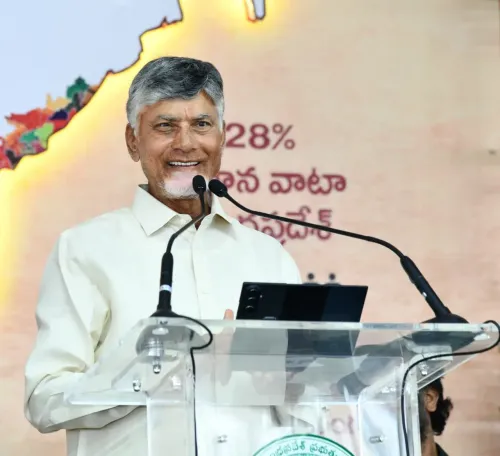
On National Handloom Day, Andhra Pradesh CM N. Chandrababu Naidu launched 'Nethanna Sevalo', disbursing Rs. 179 crore to 71,536 weaver families at Rs. 25,000 each, alongside electricity subsidies and pensions from age 50.
Key Takeaways
Nethanna Sevalo scheme launched on National Handloom Day, 7 August 2026 by AP CM N.
71,536 handloom families in Andhra Pradesh are beneficiaries of the scheme.
Each family receives Rs.
25,000 as direct financial assistance, totalling Rs.
Scheme also provides electricity subsidies and pension eligibility from age 50 for weavers.
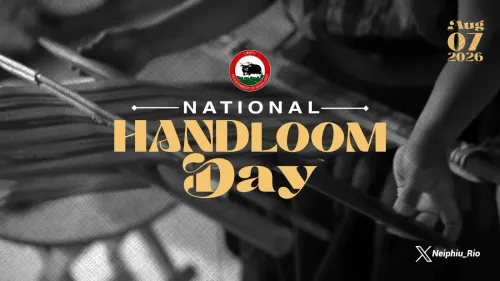
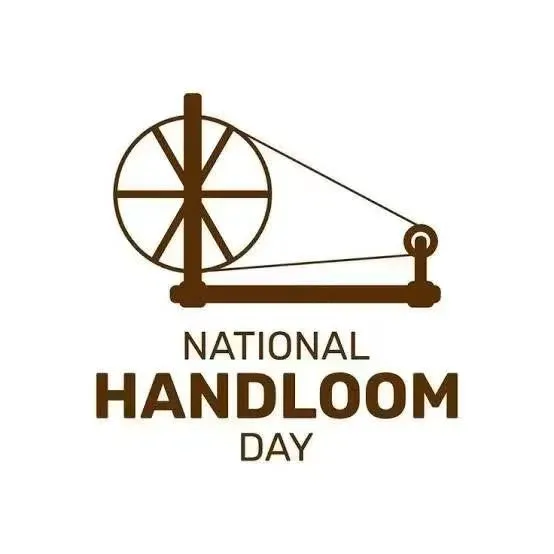
National Handloom Day has been observed on 7 August since 2015 to honour India's weaving traditions.
The initiative aims to protect both the economic welfare and occupational heritage of handloom weavers.
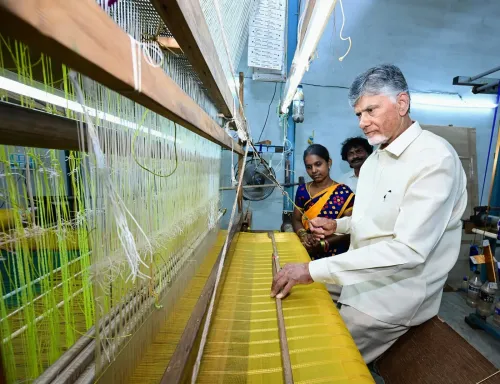
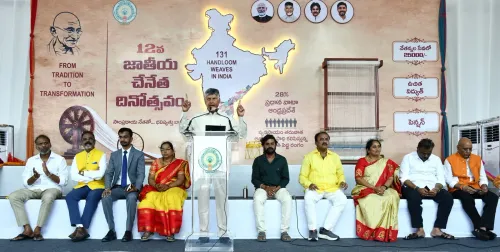
On National Handloom Day, 7 August, Andhra Pradesh Chief Minister N. Chandrababu Naidu announced the launch of the 'Nethanna Sevalo' scheme — a direct welfare package targeting the state's handloom weaving community with cash assistance, electricity subsidies, and early pension access.
Rs. 179 crore disbursed to 71,536 weaver families
The scheme's centrepiece is a direct transfer of Rs. 25,000 per family to 71,536 handloom households across Andhra Pradesh, amounting to a total outlay of Rs. 179 crore. Naidu framed the announcement as a commitment to both economic relief and cultural continuity, posting in Telugu: 'Chenetala samkshemannu, vritti varasatvanni parirakshimche lakshyamtho' — 'with the goal of protecting weavers' welfare and preserving their occupational heritage.'
Beyond the cash transfer, the scheme extends electricity subsidies to reduce input costs for loom operations and brings forward pension eligibility to age 50 — a significant concession for workers in a physically demanding, often informal trade where incomes thin sharply with age.
Why August 7 matters for India's weavers
National Handloom Day has been observed every 7 August since 2015, a date chosen by the Government of India to honour the handloom sector's contribution to Indian textile traditions. The day carries symbolic weight: it marks the anniversary of the Swadeshi Movement of 1905, when hand-spun and hand-woven cloth became an act of national assertion. State governments across India have used the occasion to announce artisan-welfare measures, and Naidu's move follows that pattern — but with a specific, named scheme and a concrete rupee figure attached.
Power looms, unorganised labour, and the welfare gap
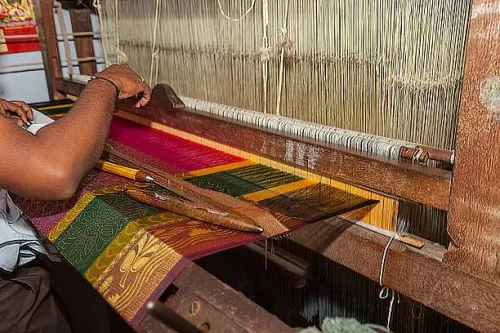
Handloom weavers across India operate largely in the unorganised sector, squeezed by competition from mechanised power looms that undercut prices on volume. Successive state and central governments have responded with targeted packages combining direct transfers, input subsidies, and skill-transmission support — recognising that without intervention, traditional weaving clusters risk collapse within a generation. Andhra Pradesh has several established handloom clusters producing fabrics that carry regional identity and export value.
The 'Nethanna Sevalo' scheme — 'Nethanna' being an affectionate Telugu term for the weaver, literally 'weaver-brother' — signals the state government's intent to position welfare delivery within a cultural frame, not merely an economic one. Whether district-level disbursements match the announced scale and whether the scheme links with central handloom development programmes will be the real test of its reach.
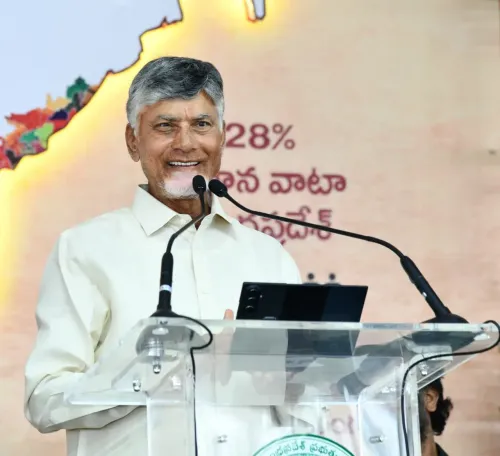
As Naidu put it in his closing appeal: 'Let us all join hands... let us protect the art of handloom.' The loom, for now, has the government's attention.
Point of View
It is a deliberate emotional signal to a community that votes in clusters. Announcing on National Handloom Day amplifies visibility at minimal additional cost. The early-pension provision at age 50 is the sharpest policy edge here: it acknowledges the physical and economic reality of weaving as a livelihood in ways generic artisan schemes often miss. The scheme's durability, however, will depend on whether district-level disbursements hold and whether it integrates with central handloom programmes — or remains a parallel state structure.
NationPress
21 Sept 2026
Frequently Asked Questions
What is the Nethanna Sevalo scheme in Andhra Pradesh?
'Nethanna Sevalo' is a welfare scheme launched by the Andhra Pradesh government for handloom weavers, offering a direct cash transfer of Rs. 25,000 per family, electricity subsidies, and pension benefits starting at age 50.
How many families benefit from the Nethanna Sevalo scheme?
The scheme covers 71,536 handloom weaver families in Andhra Pradesh, with a total disbursement of Rs. 179 crore announced on National Handloom Day 2026.
When is National Handloom Day celebrated in India?
National Handloom Day is observed every year on 7 August . It was instituted by the Government of India in 2015 to recognise the handloom sector's contribution to Indian culture and the textile economy.
What benefits do weavers get under the AP government's new scheme?
Under 'Nethanna Sevalo', weavers receive Rs. 25,000 in direct financial assistance, reduced electricity costs through subsidies, and access to pension from the age of 50.
Why did Chandrababu Naidu announce the handloom scheme on 7 August?
CM Naidu chose National Handloom Day (7 August) to launch the scheme, aligning the welfare announcement with a nationally recognised occasion that honours India's weaving traditions and the handloom community.