CM Chandrababu Reviews Tribal Welfare, Vows to Restore GO No. 3
Synopsis
Chief Minister Chandrababu Naidu chaired a high-level tribal welfare review on 20 July 2026, pledging to restore GO No. 3 — which guaranteed 100% job reservations for local tribals in Scheduled Areas — after the Supreme Court struck it down in April 2020 due to weak defence by the previous government.
Key Takeaways
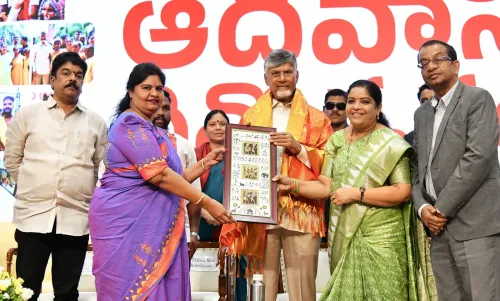
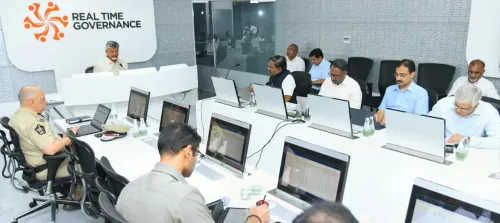
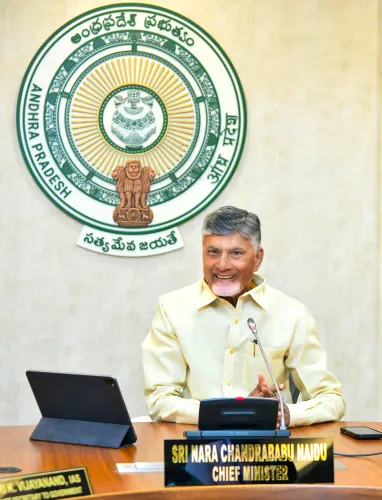
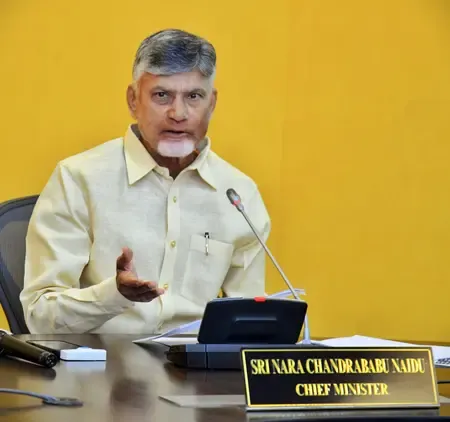
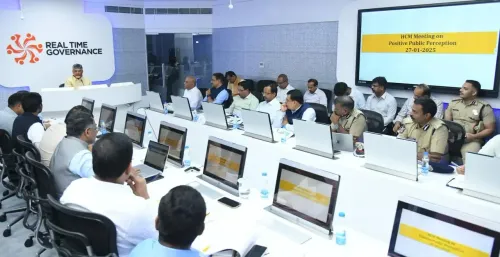
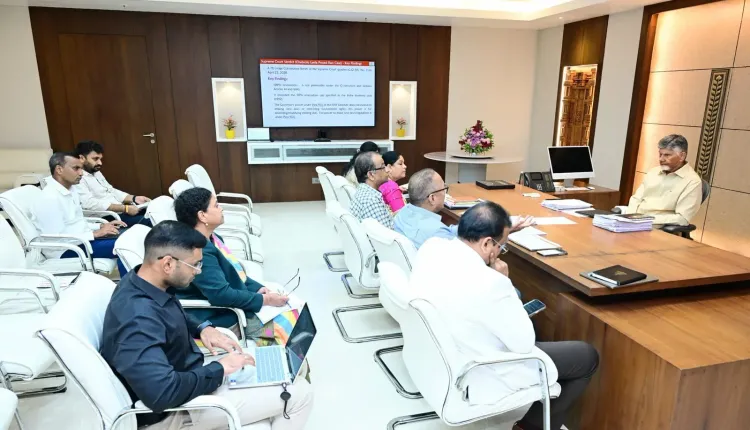
CM Naidu held a high-level review of tribal welfare and development programmes at the AP Secretariat on 20 July 2026 .
GO Number 3 , issued in 2000 during united Andhra Pradesh, guaranteed 100% reservations for local tribals in government posts within Scheduled Areas.
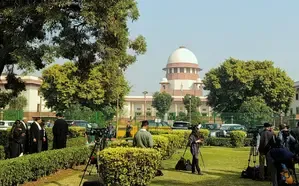
The Supreme Court struck down GO No.
3 on 22 April 2020 after the previous YSRCP government failed to defend it with strong legal arguments.
CM Naidu criticised the prior government for 'neglecting' the order and not responding to the crisis after the court verdict, leaving two decades of tribal benefits without cover.
The coalition government is currently examining 'all alternative possibilities' to restore tribal employment protections within the Supreme Court's constitutional framework.
Tribal communities in Scheduled Areas of Andhra Pradesh and local job aspirants are the primary stakeholders awaiting a resolution.
Amaravati, 20 July 2026 — The Chief Minister's Office of Andhra Pradesh announced on Monday that Chief Minister Nara Chandrababu Naidu chaired a high-level review at the Secretariat with tribal welfare department officials, reaffirming that the state government gives 'first priority' to tribal rights and that tribal communities have 'no reason for concern.'
Context
The review meeting focused on the welfare and development programmes for people in tribal areas, with particular attention to Government Order Number 3 — a landmark order issued in 2000 during united Andhra Pradesh. CM Naidu reminded officials that GO No. 3 was brought in by his earlier administration to ensure 100 per cent reservations for local tribals in government posts within Scheduled Areas — the Fifth Schedule regions designated for special tribal protection.
The meeting also addressed tribal aspirations on several fronts, including the demand that local people alone should receive jobs in these areas.
Policy Backdrop
GO No. 3 remained in force for nearly two decades, providing an employment shield to indigenous communities in scheduled zones. However, the Supreme Court of India struck it down on 22 April 2020, after the then state government — led by the YSR Congress Party — failed to mount a strong legal defence before the apex court's five-judge constitution bench.
CM Naidu was pointed in his criticism, stating that the previous government 'neglected' the order and did not present 'strong arguments,' leaving two decades of tribal employment benefits without legal cover. He noted that the prior administration did not even respond adequately to the problem after the Supreme Court verdict.
Reservation policies for Scheduled Tribes in Fifth Schedule areas have long faced judicial scrutiny over the tension between protective discrimination and equal-opportunity principles. The 2014 bifurcation of Andhra Pradesh further complicated the legal and administrative landscape, leaving successive governments to navigate legacy orders amid shifting political control.
Stakeholders and Impact
The communities most affected are tribal populations residing in the Scheduled Areas of Andhra Pradesh, who had relied on GO No. 3 for preferential access to local government employment for two decades. The lapse in legal protection since 2020 has left local job aspirants in these regions vulnerable to competition from non-local candidates.
The coalition government — referred to in the post as the 'Kootami' (alliance) government — has signalled it is actively exploring 'all alternative possibilities' to restore the protections that GO No. 3 once guaranteed, while working within the boundaries set by the Supreme Court's clear ruling from the five-member bench.
What's Next
The Naidu administration has indicated it is 'working out' how to deliver justice to tribal communities despite the Supreme Court's unambiguous verdict. Possible routes include a fresh legislative or administrative mechanism, a review petition, or a constitutionally sound alternative order that could withstand judicial scrutiny.
Any new ordinance, legislation, or court petition the coalition government files to restore tribal employment safeguards — and the Supreme Court's subsequent response — will be closely watched by tribal communities, legal experts, and political observers across the state.
Point of View
The TDP-led coalition positions itself as the original and rightful protector of tribal interests. The broader challenge, however, is formidable — the Supreme Court's five-judge bench verdict leaves little administrative room for a simple revival, meaning any durable solution will require either fresh legislation or a well-argued review petition. How the government navigates this legal tightrope will define its credibility with Andhra Pradesh's tribal electorate for years to come.
NationPress
20 Oct 2026
Frequently Asked Questions
What is GO Number 3 in Andhra Pradesh?
GO Number 3 was a government order issued in 2000 during united Andhra Pradesh that provided 100% job reservations for local tribal people in government posts within Scheduled (Fifth Schedule) Areas of the state. It remained in force for nearly two decades before being struck down.
Why did the Supreme Court strike down GO No. 3?
The Supreme Court of India struck down GO No. 3 on 22 April 2020 after the then Andhra Pradesh government — led by YSRCP — failed to present strong legal arguments in defence of the order before the apex court's five-member constitution bench.
What is CM Chandrababu Naidu doing to restore tribal reservations?
CM Naidu chaired a high-level review on 20 July 2026 and stated that the coalition government is examining 'all alternative possibilities' to restore tribal employment protections, including exploring legislative or administrative routes that comply with the Supreme Court's ruling.
Which tribal areas in Andhra Pradesh are affected by GO No. 3?
The order applied to Scheduled Areas — regions designated under the Fifth Schedule of the Indian Constitution in Andhra Pradesh — where indigenous tribal communities are entitled to special protections and preferential employment.
What did the previous Andhra Pradesh government do about GO No. 3 after the Supreme Court verdict?
According to CM Naidu, the previous YSRCP government 'did not even respond adequately' after the Supreme Court struck down GO No. 3 in April 2020 , leaving tribal communities without the employment safeguards they had enjoyed for two decades.