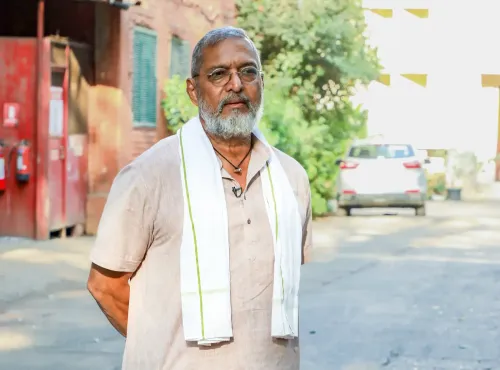
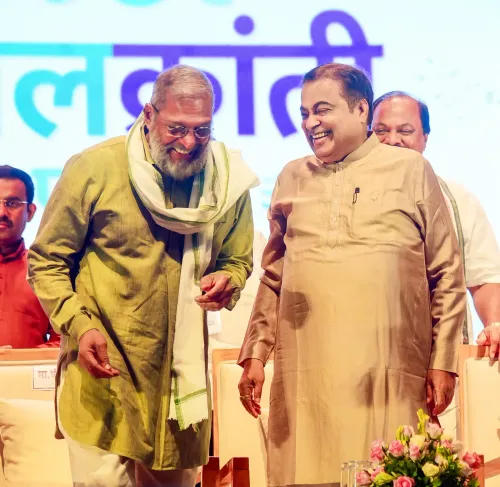
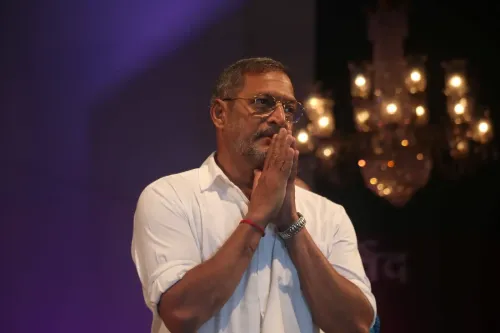
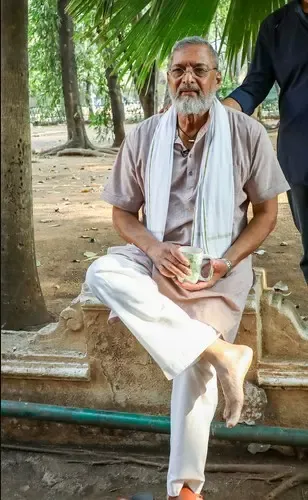
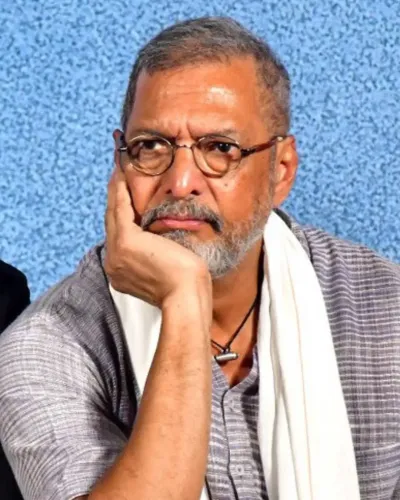
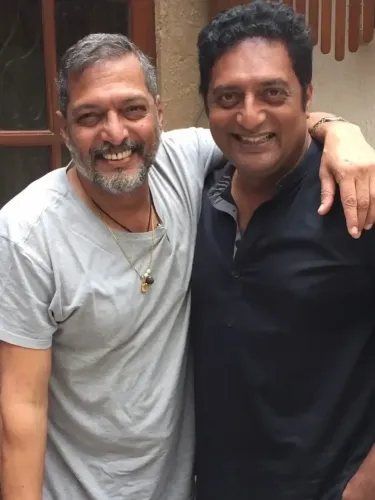
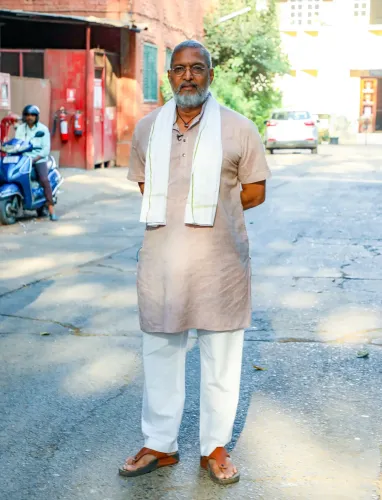
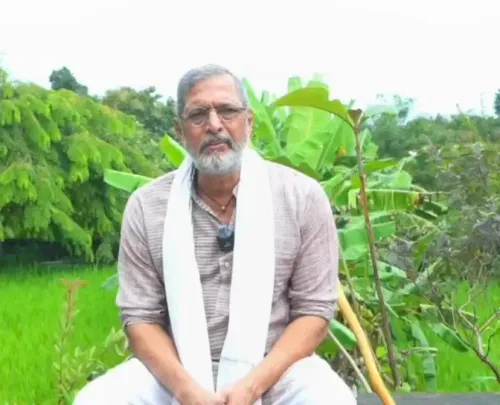
Nana Patekar dead at 75: Actor, National Award winner and rural reformer
Synopsis
Nana Patekar — National Award winner, screen titan, and the man who personally desiltled rivers in Marathwada — died at 75 on 8 October 2026. His story is that rare one where a major celebrity walked away from the spotlight to do unglamorous, structural work: rebuilding aquifers, supporting farmers' widows, and adopting drought-ravaged villages. Few Indian public figures have bridged cinematic legacy and grassroots reform so concretely.
Key Takeaways
Nana Patekar passed away on 8 October 2026 at the age of 75 .
He won the National Film Award for Best Supporting Actor for 'Parinda' (1989) and Best Actor for 'Krantiveer' (1994).
His performance in the Marathi film 'Natsamrat' (2016) is widely considered among the finest in modern Indian cinema.
In September 2015 , he co-founded an NGO with actor Makarand Anaspure to address drought and farmer suicides in Marathwada and Vidarbha .
The NGO rejuvenated rivers including the Riddhi Siddhi River in Beed and the Pus River , restoring groundwater and supporting hundreds of villages.
He provided vocational equipment and livestock to widows of farmers who died by suicide, enabling long-term economic independence.
Veteran actor Vishwanath 'Nana' Patekar, one of Indian cinema's most commanding screen presences and a committed social reformer, passed away on Thursday, 8 October 2026, at the age of 75. A multiple National Film Award winner over a career spanning more than four decades, Patekar leaves behind a legacy shaped as much by recharged rivers and revived farming communities in Maharashtra as by his towering performances on screen.
A Career That Redefined Indian Cinema
Patekar's journey in the performing arts began in theatre before expanding into Marathi and Hindi cinema. His breakthrough into mainstream recognition came with 'Parinda' (1989), for which he won the National Film Award for Best Supporting Actor — a performance that signalled a decisive shift toward darker, more psychologically layered characterisation in Indian commercial cinema.
He subsequently claimed the National Film Award for Best Actor for 'Krantiveer' (1994), delivering monologues that remain embedded in Indian pop culture more than three decades later. His range was rare: intense crime dramas such as 'Ab Tak Chhappan' (2004) and 'Astitva' (2000), the musical drama 'Khamoshi: The Musical' (1996), and the commercial entertainer 'Welcome' (2007) all bore his unmistakable imprint. His turn in the critically acclaimed Marathi film 'Natsamrat' (2016) is widely regarded as among the finest performances in modern Indian cinema, underscoring the theatrical depth he never abandoned.
From the Screen to the Drought Belt
While Patekar achieved extraordinary professional success, his defining work in his later years was rooted in Maharashtra's Marathwada and Vidarbha regions — two of the country's most drought-vulnerable agricultural zones. Deeply moved by recurring agrarian crises and an alarming rate of farmer suicides, he pivoted from celebrity philanthropy toward direct, structural intervention.
In September 2015, alongside fellow Marathi actor Makarand Anaspure, Patekar co-founded an NGO specifically in response to widespread drought conditions and the human toll they were exacting on farming families. He personally visited affected households, seed-funded early operations from his own savings, and galvanised public support across urban and rural centres across the state.
Patekar reportedly described this work as his attempt to 'give back to society', staying closely connected with diverse community groups and treating grassroots engagement as a calling rather than a campaign.
Water, Wells and Watershed: The NGO's Impact
Understanding that sustainable relief required structural water availability rather than temporary handouts, the NGO concentrated heavily on watershed management and long-term water security. The foundation deployed earth-moving equipment to desilt hundreds of kilometres of silted rivers, canals, streams, and lakes across the region.
Among its most visible achievements: the rejuvenation of the Riddhi Siddhi River in Beed and targeted campaigns along the Pus River, which restored dried riverbeds, recharged local groundwater aquifers, and revived nearby wells and borewells. The organisation also facilitated the construction of farm ponds and check-nala-bunds (CNBs), securing billions of litres of water storage capacity and reducing dependence on emergency water tankers across hundreds of villages.
Supporting Farmers' Families and Rebuilding Villages
Beyond water infrastructure, the NGO provided direct financial relief, vocational equipment — including sewing machines and flour mills — and livestock to widows and dependents of farmers who had died by suicide, enabling longer-term economic independence rather than one-time aid.
The foundation adopted several severely affected villages, working to transform them into self-sustaining ecosystems with access to clean water, group farming models, proper sanitation, and community spaces. Nana Patekar's dual legacy — as a cinema icon and as a hands-on rural reformer — is etched not only in the archives of Indian film but also in the communities across Maharashtra that his work helped rebuild.
Point of View
But the more significant story is that a man at the peak of his fame chose to spend his later years desilting rivers in Beed rather than collecting lifetime achievement awards. His NGO model — structural water intervention over symbolic charity — is precisely the kind of rural template that government programmes have repeatedly attempted and rarely sustained. The question his legacy poses to both civil society and the state is uncomfortable: if a single actor could recharge aquifers across hundreds of villages, why has systemic drought relief in Marathwada and Vidarbha remained so episodic?
NationPress
8 Oct 2026
Frequently Asked Questions
When did Nana Patekar pass away and how old was he?
Nana Patekar passed away on Thursday, 8 October 2026, at the age of 75. He was one of Indian cinema's most acclaimed actors and a dedicated rural reformer in Maharashtra.
What National Awards did Nana Patekar win?
Nana Patekar won the National Film Award for Best Supporting Actor for 'Parinda' (1989) and the National Film Award for Best Actor for 'Krantiveer' (1994). He also received multiple Filmfare Awards over a career spanning more than four decades.
What was Nana Patekar's NGO and what did it do?
Patekar co-founded an NGO in September 2015 alongside actor Makarand Anaspure to address drought conditions and farmer suicides in Maharashtra's Marathwada and Vidarbha regions. The NGO focused on watershed management, river desilting, farm pond construction, and direct support to farmers' widows and families.
Which rivers did Nana Patekar's NGO work to restore?
The NGO rejuvenated the Riddhi Siddhi River in Beed and ran campaigns along the Pus River, restoring dried riverbeds and recharging local groundwater aquifers. The work revived nearby wells and borewells and reduced reliance on emergency water tankers across hundreds of villages.
What films is Nana Patekar best remembered for?
Patekar is remembered for landmark films including 'Parinda' (1989), 'Krantiveer' (1994), 'Khamoshi: The Musical' (1996), 'Astitva' (2000), 'Ab Tak Chhappan' (2004), 'Welcome' (2007), and 'Natsamrat' (2016). His Marathi film 'Natsamrat' is widely regarded as one of the finest performances in modern Indian cinema.