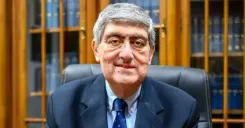
Meenakshi Natarajan RS nomination rejected: media bill past haunts Congress pick

Synopsis
Meenakshi Natarajan's rejected Rajya Sabha nomination in Madhya Pradesh is more than a procedural setback — it has reopened a 13-year-old wound for Congress. Her 2012 bid to create a government-appointed media regulator, exempt from RTI scrutiny, was killed before it could even be debated. The nomination rejection now forces the party to confront the same question it dodged then: how much political loyalty can override public accountability?
Key Takeaways
Meenakshi Natarajan 's nomination as Congress candidate for the Rajya Sabha election in Madhya Pradesh was rejected during scrutiny ahead of the 18 June vote.
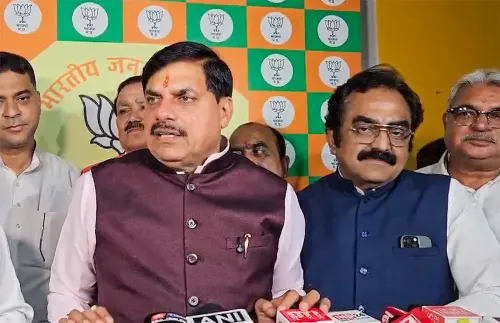
Madhya Pradesh CM Mohan Yadav alleged she had a concealed criminal record and lacked support from Congress's own MLAs.
In 2012 , Natarajan drafted the Print and Electronic Media Standards and Regulation Bill in the Lok Sabha, proposing a government-appointed media regulator exempt from the RTI Act .
Congress distanced itself from the bill; Natarajan later said it reflected her 'personal views' and the bill was never formally introduced.
The episode drew comparisons to the 1988 Defamation Bill under Rajiv Gandhi , which was also withdrawn after widespread protests over press freedom concerns.
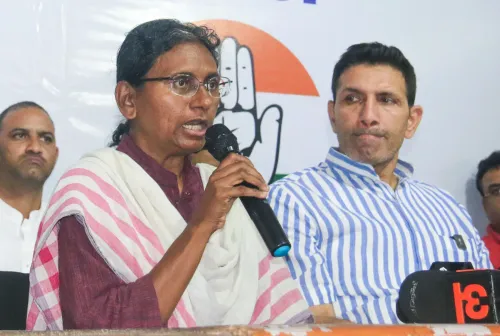
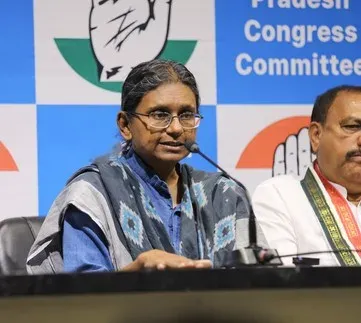
Meenakshi Natarajan, a close aide to Lok Sabha Leader of Opposition Rahul Gandhi, found herself at the centre of a fresh political storm after her nomination as a Congress candidate for the Rajya Sabha election in Madhya Pradesh — scheduled for 18 June — was rejected during scrutiny. The development has revived scrutiny of her 2012 attempt to introduce a sweeping media regulation bill, drawing fresh attention to the uneasy tension between political loyalty and public perception that has long shadowed her career.
The Nomination Rejection
Madhya Pradesh Chief Minister Mohan Yadav alleged that Congress had fielded a candidate with a concealed criminal record and that she lacked support from the party's own MLAs, according to reports. The rejection, coming days before the 18 June vote, triggered a sharp rise in political temperatures on Tuesday. Congress has not publicly responded to the specific allegations.
The 2012 Media Bill Controversy
Critics have recalled Natarajan's 2012 Private Member Bill in the Lok Sabha, formally titled the Print and Electronic Media Standards and Regulation Bill, which proposed creating a three-member media regulatory authority appointed by the government. The authority would reportedly have wielded powers to ban or suspend coverage of events deemed a threat to national security, suspend media organisations for nearly a year, and cancel licences of repeat offenders.
Perhaps most controversially, the proposed authority was to be exempted from the Right to Information Act (RTI), effectively shielding its decisions from public scrutiny. The proposal immediately drew widespread condemnation as an attempt to curb press freedom, raising eyebrows even within the Congress.
Given Natarajan's proximity to Rahul Gandhi, speculation arose over whether the bill had been floated at his behest to test political waters. The Bharatiya Janata Party (BJP) publicly demanded that Gandhi clarify his position.
Congress Distances Itself
Facing mounting criticism, senior Congress leaders quickly declared that the bill did not reflect Rahul Gandhi's views, stressing it was Natarajan's personal initiative as a private member and not a party-backed proposal. After days of silence, Natarajan herself clarified that Gandhi had no role in drafting it, describing it as her 'personal views.'
She failed to appear in the House on the day the bill was scheduled to be introduced, and the proposed legislation was never tabled. The episode was widely interpreted as an overreach that embarrassed the Congress leadership and reinforced concerns about the party's relationship with media freedom.
Rahul Gandhi's Ordinance Moment and Historical Parallels
A year after the media bill controversy, Rahul Gandhi publicly tore up a piece of legislation introduced by his own party-led United Progressive Alliance (UPA) government — an ordinance that had overturned a Supreme Court ruling mandating disqualification of convicted lawmakers facing at least a two-year jail sentence. Claiming that 'what government has done is wrong,' he called on political parties to stop taking decisions based on political considerations.
The act stunned Congress benches and drew mockery from opposition parties, who characterised it as theatrics that undermined then Prime Minister Manmohan Singh. The ordinance in question was linked to the Lokpal Bill, which went through multiple revisions before being passed in 2013, though its implementation remained slow and contested.
Observers have drawn parallels with the 1988 Defamation Bill introduced under then Prime Minister Rajiv Gandhi's government, which also reportedly sought to curb press freedom, triggered nationwide protests, and was eventually withdrawn. Natarajan's bill, though never formally introduced, evoked similar fears of censorship and underscored the political risks of attempting to legislate media control in a democracy.
What This Means Going Forward
The rejected nomination places Natarajan — who has largely operated as a behind-the-scenes aide — under an unusually harsh public spotlight. With the 18 June Rajya Sabha election in Madhya Pradesh approaching, the episode raises questions about Congress's candidate vetting process and the political calculus behind fielding a figure carrying significant historical baggage. Whether the party contests the rejection or fields an alternative candidate remains to be seen.
Point of View
And the party's hasty disavowal then did not resolve that discomfort. Fielding her for the Rajya Sabha without apparent due diligence on the criminal record question suggests that proximity to the Gandhi circle still outweighs vetting rigour. The BJP's amplification of the episode is opportunistic, but the underlying questions about candidate screening and the legacy of the media bill are ones Congress itself has never fully answered.
NationPress
26 Oct 2026
Frequently Asked Questions
Why was Meenakshi Natarajan's Rajya Sabha nomination rejected?
Natarajan's nomination as Congress's candidate for the Madhya Pradesh Rajya Sabha election scheduled for 18 June was rejected during scrutiny. Madhya Pradesh Chief Minister Mohan Yadav alleged she had a concealed criminal record and that she lacked support from Congress's own MLAs, according to reports.
What was the 2012 media bill associated with Meenakshi Natarajan?
The Print and Electronic Media Standards and Regulation Bill was a Private Member Bill drafted by Natarajan in the Lok Sabha in 2012. It proposed a three-member government-appointed media regulatory authority with powers to ban coverage, suspend media organisations, and cancel licences — and was to be exempt from the RTI Act. The bill was never formally introduced.
What was Congress's response to the 2012 media bill controversy?
Congress distanced itself from the bill, with senior leaders declaring it did not reflect Rahul Gandhi's views and was Natarajan's personal initiative. Natarajan herself later clarified that Gandhi had no role in drafting it, and she failed to appear in the House on the day it was scheduled for introduction.
How does the 1988 Defamation Bill relate to this controversy?
Observers have drawn parallels between Natarajan's 2012 media bill and the 1988 Defamation Bill introduced under Rajiv Gandhi's government, which also reportedly sought to curb press freedom. That bill triggered nationwide protests and was eventually withdrawn, and is remembered as one of that government's significant political setbacks.
Who is Meenakshi Natarajan and what is her role in Congress?
Meenakshi Natarajan is a Congress politician who has served as a close aide to Lok Sabha Leader of Opposition Rahul Gandhi, largely operating in the background rather than in a prominent public role. She was nominated as the party's candidate for the Madhya Pradesh Rajya Sabha election before her nomination was rejected during scrutiny.