NCP's Tatkare slams INDIA Bloc over EVM row and Delhi street protests
Synopsis
NCP Maharashtra chief Sunil Tatkare has turned the EVM debate on its head: if the machines were fine when Congress won in 2004 and 2009, why are they suddenly suspect only after BJP victories? With Deputy CM Eknath Shinde calling the Delhi protests a foreign-backed destabilisation effort, the ruling Mahayuti alliance is going on the offensive — framing the opposition's agitation as an attack on India's democratic institutions rather than a defence of them.
Key Takeaways
NCP Maharashtra State President Sunil Tatkare accused the INDIA Bloc on 13 October of attempting to defame the Central government over the EVM row.
Tatkare alleged opposition EVM scepticism only emerged after NDA victories from 2014 onwards, pointing out that the 2004 and 2009 UPA wins on EVMs drew no objections.
He questioned why EVM integrity was not raised when the MVA did well in the 2024 Lok Sabha elections in Maharashtra, but was criticised after the Mahayuti assembly win.
Tatkare, citing 25 years in the Legislative Assembly and 10 years in the Lok Sabha, said he had never seen such demands before.
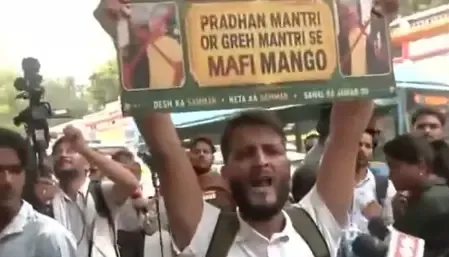
Deputy CM Eknath Shinde alleged the Delhi protests are linked to external forces attempting to weaken India, calling it a 'dangerous game plan.'
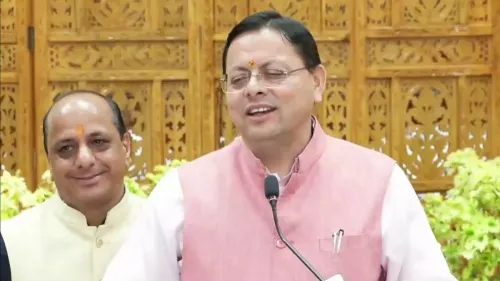
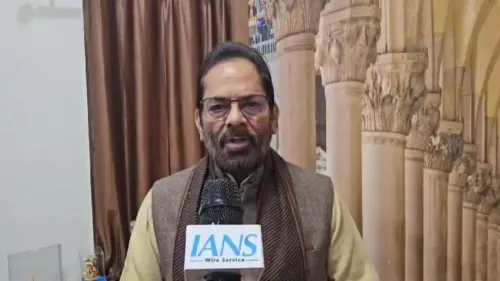
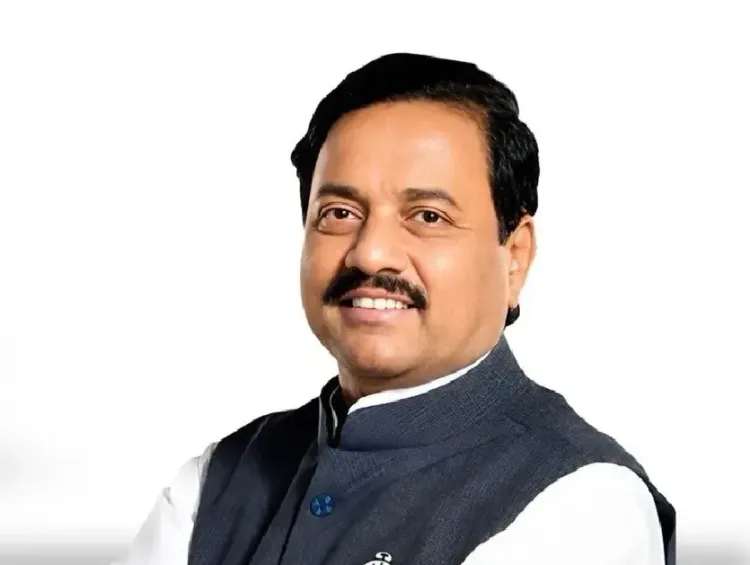
Sunil Tatkare, the National Congress Party (NCP) Maharashtra State President, on Tuesday, 13 October accused the opposition INDIA Bloc of attempting to defame the Central government by raising doubts about the credibility of constitutional institutions, including the Election Commission of India (ECI). Tatkare made the remarks while addressing the media in Mumbai on the recent protests in Delhi and the ongoing Electronic Voting Machine (EVM) controversy.
The EVM Argument: A Selective Concern, Tatkare Alleges
Tatkare pointed to what he described as a pattern of selective scepticism around EVMs. He noted that the 2004 and 2009 Lok Sabha elections — which brought the Congress-led United Progressive Alliance (UPA) government to power — were conducted on EVMs without any objection from the then-opposition. Questions about the machines, he alleged, only began surfacing after the Bharatiya Janata Party (BJP)-led National Democratic Alliance (NDA) under Prime Minister Narendra Modi won a majority in 2014 and subsequently retained power.
Tatkare drew a sharper parallel from Maharashtra's own recent electoral history. When the Maha Vikas Aghadi (MVA) performed well in the 2024 Lok Sabha elections in the state, EVM integrity went unchallenged. Yet, after the Mahayuti alliance secured a decisive victory in the subsequent state assembly elections, criticism resurfaced almost immediately. 'What changed in just four months?' he asked reporters.
On Street Protests and Constitutional Bodies
Tatkare criticised the opposition's preference for street demonstrations over legal recourse, arguing that the judiciary provides established channels — including Public Interest Litigations (PILs) and Special Leave Petitions (SLPs) — through which grievances can be properly adjudicated. He emphasised that political disagreements should not be weaponised to erode the autonomy of constitutional bodies.
Drawing on his own legislative career — 25 years in the Maharashtra Legislative Assembly and 10 years in the Lok Sabha — Tatkare said he had never witnessed demands of this nature in his entire political life. He also called on the Central government to take cognisance if, as he alleged, external forces were attempting to destabilise the country.
Eknath Shinde Echoes the Charge
Deputy Chief Minister Eknath Shinde separately alleged that the opposition's sustained agitations outside the Prime Minister's residence and across Delhi are part of what he described as a dangerous game plan by external forces seeking to weaken India. Shinde asserted that having lost three consecutive general elections against Prime Minister Modi, the opposition has abandoned hope of winning democratic mandates and is instead attempting to foster civil unrest, intimidate the Election Commission, and pressure the Chief Justice of India — all without producing credible evidence, he claimed.
Opposition's Position
The INDIA Bloc has not issued an immediate response to Tuesday's remarks. The alliance has previously maintained that its protests and EVM-related demands are rooted in democratic accountability and transparency, and has framed the agitations as legitimate political dissent rather than institutional subversion. Critics of the ruling coalition argue that questioning electoral processes through legal and public channels is a fundamental democratic right.
What to Watch
The exchanges indicate that the EVM debate — now a recurring flashpoint in Indian electoral politics — is far from settled, and is likely to intensify ahead of any upcoming state polls. How the Election Commission responds to continued pressure from both the ruling alliance and the opposition will be closely watched in the weeks ahead.
Point of View
The ruling alliance's counter-narrative conflating street protest with foreign destabilisation is a recurring rhetorical move that risks delegitimising lawful dissent. The deeper issue — whether India needs stronger, independently verifiable EVM audit mechanisms — goes unaddressed by both sides, which is precisely what keeps this debate alive election after election.
NationPress
13 Oct 2026
Frequently Asked Questions
What did NCP's Sunil Tatkare say about the EVM controversy?
Tatkare alleged that the INDIA Bloc raises EVM credibility concerns selectively — only after electoral defeats, not victories. He pointed out that the Congress-led UPA won the 2004 and 2009 Lok Sabha elections using EVMs without any objection from the then-opposition, and that doubts emerged only after the NDA began winning majorities from 2014.
Why did Tatkare reference the 2024 Maharashtra elections specifically?
Tatkare noted that when the MVA alliance performed well in the 2024 Lok Sabha elections in Maharashtra, no one questioned EVM integrity. EVM criticism surfaced only after the Mahayuti alliance won the subsequent state assembly elections, prompting his pointed question: 'What changed in just four months?'
What did Deputy CM Eknath Shinde allege about the Delhi protests?
Eknath Shinde alleged that the opposition's sustained agitations outside the Prime Minister's residence are part of a larger game plan by external forces seeking to weaken India. He claimed the opposition, having lost three consecutive elections to PM Modi, is now trying to foster civil unrest and intimidate constitutional bodies without credible evidence.
What legal avenues did Tatkare suggest for EVM-related grievances?
Tatkare argued that the judiciary provides appropriate channels — Public Interest Litigations (PILs) and Special Leave Petitions (SLPs) — for contesting electoral outcomes or institutional decisions. He criticised the opposition for choosing street protests over these established legal mechanisms.
What is the broader significance of the EVM debate in Indian politics?
The EVM controversy has become a recurring flashpoint in Indian electoral politics, with opposition parties periodically alleging tampering after losses and ruling parties accusing them of undermining democratic institutions. The debate reflects deeper tensions around electoral transparency and the independence of the Election Commission of India.