Uttarakhand CM Office: New Hospital to Open in Selaqui
Synopsis
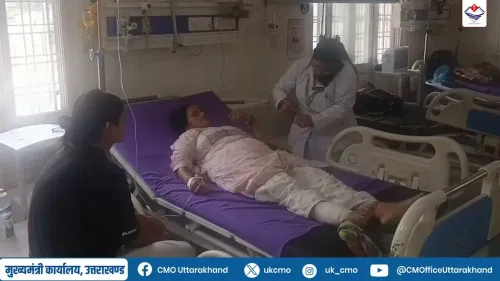
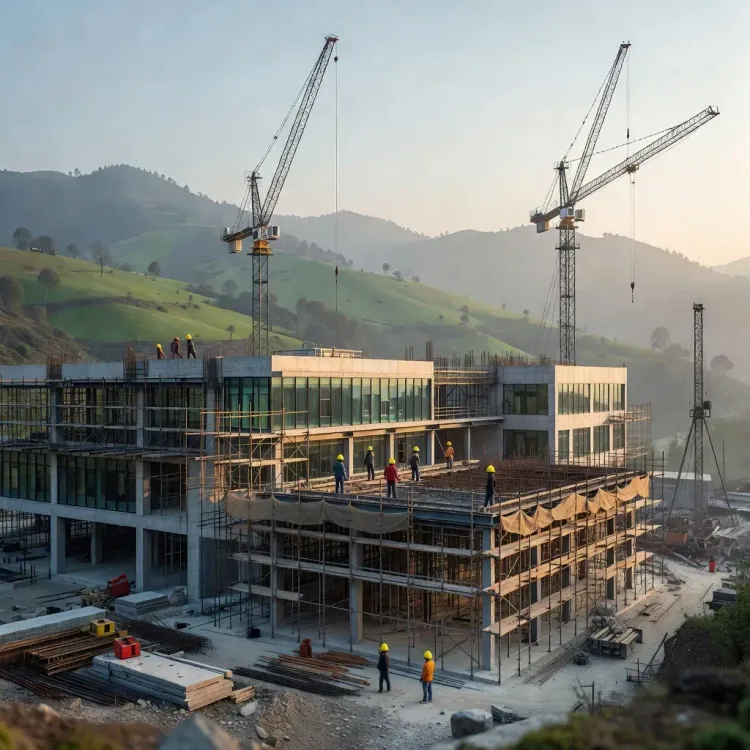
The Uttarakhand Chief Minister's Office has announced a state-of-the-art hospital for Selaqui, an industrial locality in Dehradun district, aiming to expand medical facilities for the area's growing workforce and residential population.
Key Takeaways
The Uttarakhand Chief Minister's Office announced a new state-of-the-art hospital for Selaqui , Dehradun, on October 20, 2026 .
Selaqui is a major industrial locality in Dehradun district , home to pharmaceutical and manufacturing units.
The hospital is aimed at expanding medical facilities for Selaqui's growing industrial and residential population.
Specific details — including bed capacity, specialties, funding, and commissioning timeline — have not yet been officially disclosed.
The announcement aligns with Uttarakhand's broader pattern of investing in hospital infrastructure in high-growth urban and industrial zones.
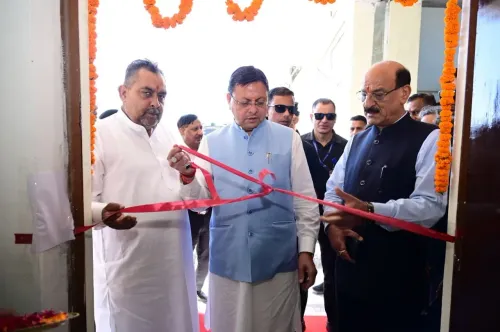
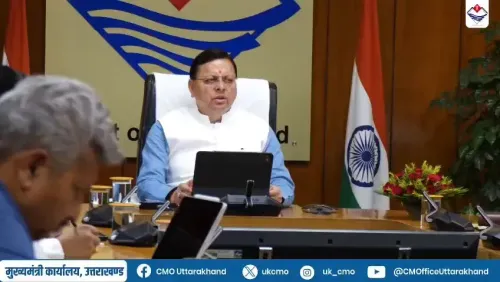
A state-of-the-art hospital is set to come up in Selaqui, the industrial locality nestled in Dehradun district, as the Uttarakhand Chief Minister's Office announced on Tuesday, October 20, 2026 — signalling a push to close the healthcare gap in one of the state's fastest-growing industrial corridors.
The CMO posted in Hindi: 'Selaakui mein chikitsa suvidhaon ke vistaar ke liye khulega atyaadhunik aspataal' — 'A state-of-the-art hospital will open to expand medical facilities in Selaqui.' While specific details on bed capacity, specialties, and a commissioning timeline are yet to be officially disclosed, the announcement pointedly frames the facility as a response to unmet healthcare demand in the area.
Why Selaqui — and Why Now
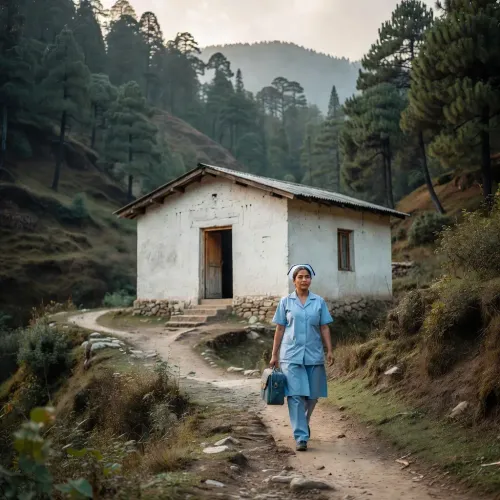
Selaqui is no ordinary neighbourhood. Situated on the outskirts of Dehradun, it hosts a dense cluster of pharmaceutical and manufacturing units, drawing a sizeable working population that has long outgrown the area's existing medical infrastructure. For industrial workers and their families, serious care has typically meant a trip into the city — a real cost in both time and money.
Uttarakhand has periodically announced hospital upgrades across Dehradun and other districts to address secondary and tertiary care shortfalls, particularly in zones where urban and industrial growth has raced ahead of public services. This announcement fits squarely within that pattern — but Selaqui's specific industrial character gives it an added urgency.
What the Facility Could Mean for Dehradun's Industrial Belt
A functional, modern hospital in Selaqui would cut the distance to organised healthcare for thousands of factory workers, logistics staff, and their dependents who currently have limited options close to home. The broader Dehradun district — Uttarakhand's administrative and commercial nerve centre — has seen population pressure mount steadily, making secondary care capacity a recurring policy concern.
Official details on funding source, the number of beds, specialist departments, and the expected opening date are still awaited. Those specifics will determine whether this becomes a genuine referral-level facility or a primary health extension — and the difference matters enormously for the people it is meant to serve.
For a state that has staked much of its growth story on industrial investment in its Doon Valley belt, putting healthcare infrastructure where the workforce actually lives is not just a welfare gesture — it is an economic argument. The next announcement from the government should tell us exactly how large this bet is going to be.
Frequently Asked Questions
Where is Selaqui located in Uttarakhand?
Selaqui is an industrial locality in Dehradun district , Uttarakhand, known for its cluster of pharmaceutical and manufacturing companies.
What was announced for Selaqui by the Uttarakhand government?
The Uttarakhand Chief Minister's Office announced that a new state-of-the-art hospital will be opened in Selaqui to expand medical facilities for the area.
When was the Selaqui hospital announcement made?
The announcement was made on Tuesday, October 20, 2026 , by the official Uttarakhand Chief Minister's Office account on X.
Who will benefit from the new Selaqui hospital?
Residents of Selaqui , industrial workers employed in its pharmaceutical and manufacturing units, and the broader population of Dehradun district are the primary intended beneficiaries.
What details are still awaited about the Selaqui hospital project?
Official details on bed capacity, medical specialties offered, funding source, and the expected commissioning timeline have not yet been disclosed by the government.