Are New Labour Codes Being Introduced to Strengthen Workforce Inclusivity?
Click to start listening
Synopsis
The impending introduction of the new Labour Codes promises to revolutionize India's workforce, fostering inclusivity and fairness. Minister Mansukh Mandaviya highlights the critical role these reforms will play in enhancing worker rights and social security, making every employee feel valued and protected. Explore how these changes aim to shape a brighter future for Indian labor.
Key Takeaways
- The new Labour Codes are designed to create a more inclusive workforce.
- They enhance worker rights and social security, particularly for gig workers.
- Health and safety standards will be improved, especially in hazardous jobs.
- The reforms aim to streamline business processes and attract investments.
- India's social protection coverage is among the highest globally.
New Delhi, Dec 3 (NationPress) The upcoming Labour Codes are set to establish a more robust, equitable, and inclusive workforce, stated Mansukh Mandaviya, the Minister of Labour and Employment, on Wednesday.
The ministry has initiated the enforcement process of rules under the enacted legislation and plans to release draft regulations for the four Labour Codes soon.
The four codes include the Code on Wages, 2019, Industrial Relations Code, 2020, Code on Social Security, 2020, and the Occupational Safety, Health and Working Conditions Code, 2020, which were officially announced on November 21.
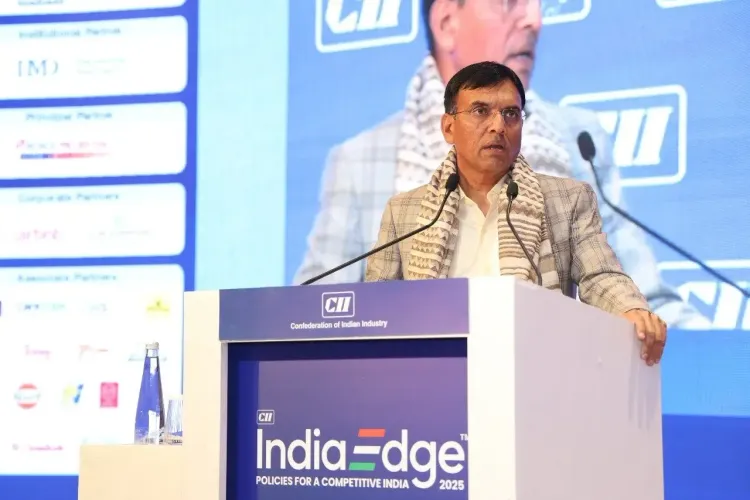
"The working class is indeed the backbone of our nation, and prioritizing their welfare and social security is imperative. Every worker, entrepreneur, and industry plays a unique role in driving economic progress. These new Labour Codes are essential for creating a stronger, fairer, and more inclusive workforce," Mandaviya remarked during a discussion on labour reforms aimed at achieving a Viksit Bharat at a CII event.
He emphasized that the government is committed to enhancing the rights and welfare of workers.
"Our labour reforms extend beyond just consolidating labour laws; they are designed to provide every worker with the dignity and respect they rightfully deserve. The new Labour Codes will enhance health and safety standards, particularly in high-risk jobs, through annual health assessments and improved protections. Additionally, they guarantee that any worker who has served for a minimum of one year is entitled to gratuity," he elaborated.
To broaden social security coverage, the codes now also include gig and platform workers.
"According to the ILO, approximately 64% of our population is currently receiving at least one form of social security, positioning India among the leading nations in terms of social protection coverage," Mandaviya noted.
"Talent and skills are intertwined, and we must ensure they align with global demands. There is substantial international demand for skilled professionals from India, and our focus should be on systematically mapping and developing these capabilities," he added.
Rajiv Memani, President of CII, remarked that the new Labour Codes mark a significant advancement from the industry perspective.
"As we progress towards a Viksit Bharat, these reforms will play a pivotal role in attracting future investments. By streamlining procedures, lowering transaction costs, and enhancing the ease of doing business, we are bolstering India’s competitiveness and making it more appealing to global investors," he informed the audience.
Point of View
It is essential to recognize the significance of the upcoming Labour Codes in promoting a fair and inclusive workforce in India. These reforms, aimed at enhancing worker rights and welfare, are a crucial step towards ensuring social security for all workers, including those in the gig economy. The government’s commitment to these changes reflects a broader vision for a progressive and equitable workforce.
NationPress
03/12/2025
Frequently Asked Questions
What are the new Labour Codes?
The new Labour Codes include the Code on Wages, Industrial Relations Code, Code on Social Security, and the Occupational Safety, Health and Working Conditions Code, aimed at enhancing worker rights and welfare.
When will the new Labour Codes be implemented?
The Ministry of Labour and Employment is currently in the process of finalizing rules and will be pre-publishing draft regulations shortly.
How will the Labour Codes benefit workers?
These codes will provide better health and safety protections, ensure gratuity eligibility for workers with at least one year of service, and extend social security coverage to gig and platform workers.
What is the government's vision with these reforms?
The government aims to create a stronger, fairer, and more inclusive workforce while simultaneously enhancing India's competitiveness in attracting global investments.