New Regulations for Overloaded Vehicle Fees on National Highways Announced by Government

Synopsis
The Ministry of Road Transport and Highways has introduced new rules to regulate fees for overloaded vehicles on National Highways, effective from April 15, 2026. This initiative aims to improve compliance, enhance road safety, and protect highway infrastructure.
Key Takeaways
New Fee Structure: Charges based on percentage of overload.
Effective Date: Rules come into force on April 15, 2026.
Measurement Devices: Overloading assessed via certified weight devices.
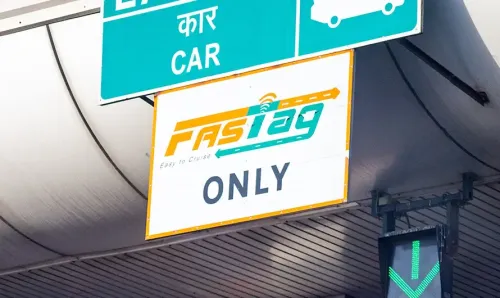
FASTag Required: Overload fees collected only through FASTag.
Compliance Focus: Aims to enhance road safety and infrastructure protection.
New Delhi, April 14 (NationPress) The Ministry of Road Transport and Highways has officially announced the Fourth Amendment to the National Highways Fee (Determination of Rates and Collection) Rules, 2026, focusing on enhancing enforcement and rationalizing fee structures for overloaded vehicles on National Highways.
These amended regulations will take effect from April 15, 2026.
The primary aim of these amendments is to encourage adherence to set load limits, thus improving road safety and safeguarding highway infrastructure.
According to the new fee structure, vehicles exceeding the load limits will incur charges based on the extent of the overload. Vehicles that carry up to 10 percent over their limit will not face any additional fees, while those with loads exceeding 10 percent up to 40 percent will be charged at double the base rate.
For vehicles with loads surpassing 40 percent, the fee will be set at four times the base rate.
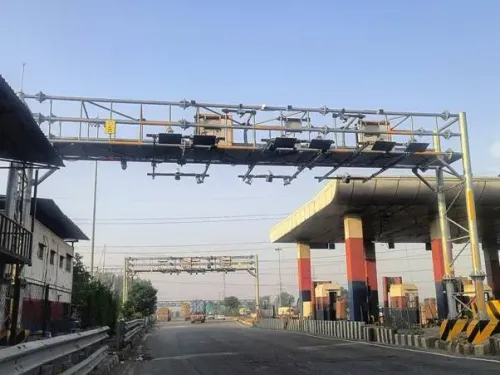
The regulations specify that overloading will be assessed using certified weight measurement devices located at fee plazas. If weighing facilities are unavailable, no overload fees will apply.
Additionally, the collection of overload fees will be conducted exclusively through FASTag. Records of overloaded vehicles will be documented and submitted to the National Vehicle Register (VAHAN).
Vehicles entering National Highways without a valid FASTag will be subject to the existing rules. However, these provisions will not apply to specific private investment projects initiated before the new regulations, unless the concessionaires agree to the updated rules.
The notification includes a comprehensive illustration that clarifies how overload fees will be calculated for various vehicle categories based on permissible weight limits, ensuring clarity and transparency in implementation.
This amendment is anticipated to enhance compliance, minimize road damage from overloaded vehicles, and foster safer and more efficient transportation of goods across National Highways, seamlessly integrating with Weigh-in-Motion (WIM) technology.
Under Rule 10, a revised framework for the imposition of fees on vehicles exceeding the permissible Gross Vehicle Weight (GVW) has also been introduced.
Point of View
It's essential to recognize that these amendments are a significant step towards ensuring safer highways and protecting our infrastructure. The government is taking proactive measures to enforce adherence to load regulations, which is crucial for minimizing road damage and ensuring the safe transport of goods.
NationPress
19 Sept 2026
Frequently Asked Questions
When do the new rules on overloaded vehicle fees take effect?
The new rules will come into effect on April 15, 2026.
What are the charges for vehicles exceeding load limits?
Vehicles exceeding load limits will be charged based on the percentage of overload, with specific fees for different ranges of excess load.
How will overload be measured?
Overloading will be determined using certified weight measurement devices installed at fee plazas.
Will vehicles without a valid FASTag face penalties?
Yes, vehicles entering National Highways without a valid FASTag will be subject to existing penalties.
What technology will be used to support these regulations?
The regulations will be integrated with Weigh-in-Motion (WIM) technology for better enforcement.