Is the 'New Rural Employment Scheme' a Genuine Initiative or a Political Shield?
Synopsis
In response to Congress' 'Save MGNREGA Movement', Union Minister Shivraj Singh Chouhan defends the new rural employment scheme while highlighting past mismanagement of funds under previous administrations. The initiative promises enhanced employment guarantees and a grassroots approach to rural development.
Key Takeaways
New reforms in rural employment aim to empower local governance.
Enhanced transparency is a key focus of the 'Viksit Bharat-G RAM G Yojana'.
Increased funding for rural development initiatives is promised.
Community involvement in project selection is emphasized.
Durable infrastructure projects are prioritized for sustainable growth.
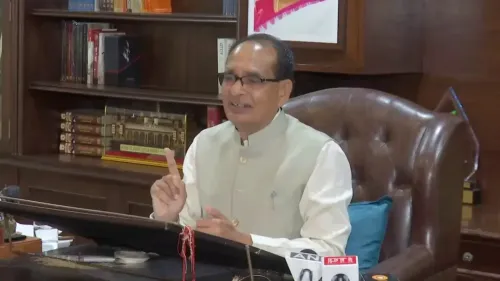
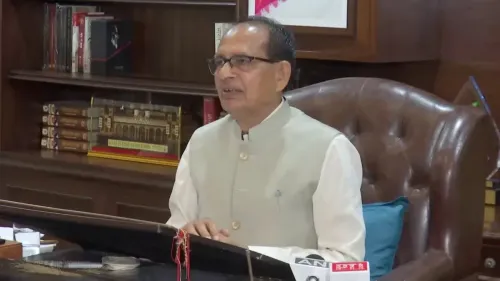
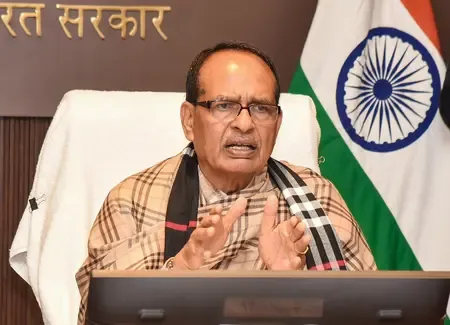
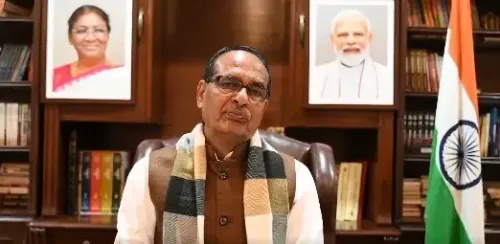
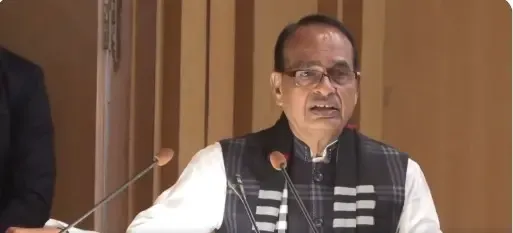
Bhopal/New Delhi, Jan 4 (NationPress) In a pointed response to the Congress' recent declaration of a 'Save MGNREGA Movement', Union Agriculture Minister Shivraj Singh Chouhan accused the Opposition of prioritizing the protection of corruption over the welfare of rural workers.
During a press briefing, Minister Chouhan stated that the Mahatma Gandhi National Rural Employment Guarantee Act (MGNREGA), originally intended as a lifeline for rural laborers, has increasingly become associated with instances of fraud and financial mismanagement.
He noted that under previous governments, contractors frequently replaced actual workers, machinery was utilized instead of manual labor, and repetitive projects led to resource depletion without establishing sustainable assets.
Social audits performed by village assemblies reportedly revealed over a million grievances, including inflated worker rolls and elderly individuals falsely recorded as laborers.
In contrast, the Union government highlighted that Prime Minister Narendra Modi's administration has allocated an unprecedented amount of over Rs 8.48 lakh crore towards rural employment and development.
The new program, termed the 'Viksit Bharat-G RAM G Yojana', aims to introduce enhanced safeguards, greater transparency, and broadened benefits.
Notable reforms include extending guaranteed employment from 100 days to 125 days, instituting penalties for late wage payments, and fortifying provisions for unemployment allowances, according to Union Minister Chouhan.
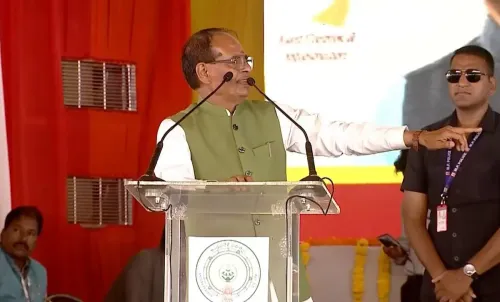
He emphasized that, unlike previous practices where states dictated projects, the revised scheme empowers gram sabhas and elected village representatives to determine local priorities.
Future projects will concentrate on creating durable infrastructure, including schools, roads, irrigation canals, check dams, health facilities, and livelihood initiatives for self-help groups.
The Union government asserts that this grassroots approach will foster self-reliance in villages, create job opportunities, and alleviate poverty.
The Union administration also pointed to increased funding for technical staff and employment assistants, ensuring prompt salary disbursements and improved implementation.
Farmers are anticipated to benefit during peak agricultural periods, with labor support accessible through the program.
Rejecting Congress' claims that the scheme overburdens states and undermines employment guarantees, Bharatiya Janata Party representatives stated that funding ratios—60:40 for most states, 90:10 for hilly and northeastern states, and 100% for Union Territories—align with other centrally sponsored programs.
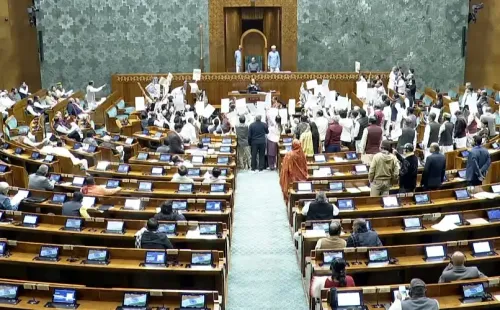
Labeling Congress as 'development averse', the Union government accused the Opposition of disseminating misinformation and skipping Parliamentary discussions on the matter.
Union Minister Chouhan urged Congress to recognize reforms instead of obstructing them, asserting that the new initiative signifies a critical move towards eradicating corruption and promoting genuine rural advancement.
Point of View
It is crucial to recognize the significant reforms proposed by the Union government in response to Congress' criticisms. The focus on empowering local governance through gram sabhas and the emphasis on transparency could potentially lead to a more effective implementation of rural employment schemes. However, it is also vital to hold the administration accountable to ensure that these promises translate into tangible benefits for rural communities across the nation.
NationPress
25 Sept 2026
Frequently Asked Questions
What is the new rural employment scheme introduced by the government?
The 'Viksit Bharat-G RAM G Yojana' aims to enhance rural employment through extended job guarantees, improved funding, and community-led project decisions.
How does this scheme differ from MGNREGA?
While MGNREGA has faced issues of fraud and mismanagement, the new scheme emphasizes transparency, accountability, and community involvement in decision-making.
What are the expected benefits for rural workers?
The scheme promises increased employment days, timely wage payments, and projects aimed at building durable infrastructure to support self-reliance in rural areas.