NGT issues notice on Palamu Tiger Reserve, Netarhat eco-sensitive zone construction
Synopsis
The NGT has stepped in after a petition revealed that around 59 hotels and resorts are allegedly under construction inside Jharkhand's Palamu Tiger Reserve and Netarhat eco-sensitive zone — with no zonal master plan, tourism master plan, or monitoring committee in place. For one of India's oldest and most ecologically fragile tiger reserves, the stakes could not be higher.
Key Takeaways
The NGT's eastern zonal bench has issued notices over alleged large-scale construction inside the Palamu Tiger Reserve and Netarhat eco-sensitive zone in Jharkhand .
A petition by activist Govind Pathak claims around 59 hotels and resorts are under construction within the ESZ, with 2 reportedly inside the Palamu Wildlife Sanctuary .
No zonal master plan , tourism master plan , or monitoring committee has been put in place as required under the ESZ notification.
Notices have been sent to the NTCA , Chief Secretary of Jharkhand , Field Director of Palamu Tiger Reserve , and other officials, with responses due within one month .
The next NGT hearing is scheduled for 8 July .
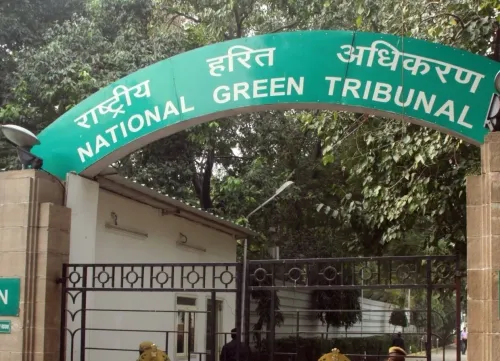
The National Green Tribunal (NGT) has issued notices to multiple government authorities over large-scale commercial construction allegedly taking place inside Jharkhand's Netarhat eco-sensitive zone and the Palamu Tiger Reserve, flagging the matter as a serious environmental concern. The case, triggered by a petition from environmental activist Govind Pathak, was taken up by the eastern zonal bench of the Kolkata-based tribunal on 25 May 2025, with the next hearing scheduled for 8 July.
What the Petition Alleges
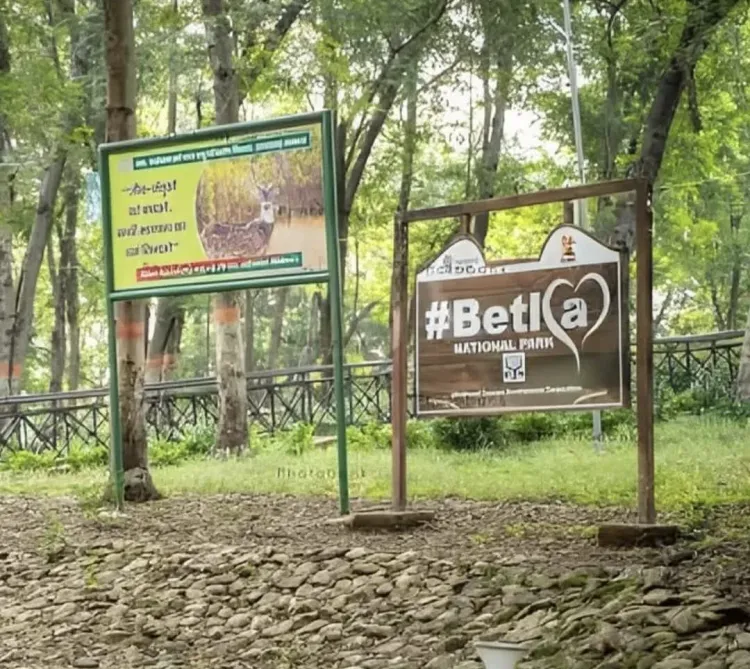
According to the petition, around 59 hotels and resorts are currently under construction within the eco-sensitive zone (ESZ), with two of these structures reportedly located inside the Palamu Wildlife Sanctuary itself. The petitioner contends that these projects are being executed without adherence to mandatory environmental regulations. The construction activity spans areas including Betla National Park, Netarhat, and the Mahuadanr Wolf Sanctuary — all ecologically sensitive forest and wildlife corridors.
Key Regulatory Gaps Highlighted
A particularly pointed allegation in the petition is the complete absence of a zonal master plan, tourism master plan, or monitoring committee — all of which are required under the ESZ notification — even as construction activities continue unabated. Critics argue this reflects a systemic failure of oversight by both state and central authorities tasked with protecting these habitats.
NGT Bench and Notices Issued
The bench, comprising judicial member Justice Arun Kumar Tyagi and expert member Ishwar Singh, found the petition fit for hearing and directed notices to the National Tiger Conservation Authority (NTCA), the Chief Secretary of Jharkhand, the Field Director of the Palamu Tiger Reserve, and other concerned officials. All parties have been asked to submit their responses within one month.
What the Petitioner Has Demanded
Activist Govind Pathak has urged the NGT to impose an immediate ban on illegal constructions, order the demolition of structures built in violation of rules, and fix accountability of the officials responsible. The demands reflect growing concern among conservationists that India's protected area framework is being eroded by commercial interests, often with tacit administrative inaction.
Why This Case Matters
The Palamu Tiger Reserve is one of the original nine reserves notified under Project Tiger in 1973 and is home to a critically low tiger population that conservationists have long flagged as vulnerable. Unchecked tourism infrastructure within and around such reserves risks habitat fragmentation, increased human-wildlife conflict, and long-term damage to biodiversity corridors. This comes amid a broader national pattern of ESZ violations that have drawn repeated judicial scrutiny. The NGT's intervention signals that the issue can no longer remain confined to local administrative channels.
Point of View
But the deeper story is institutional: how does a reserve notified under Project Tiger in 1973 end up with 59 hotels allegedly under construction and no ESZ master plan in place? That is not a paperwork lapse — it points to deliberate administrative inaction. The NTCA's response to the tribunal will be telling; if the apex tiger body was unaware of this scale of construction, that itself is a governance failure. India's ESZ framework has repeatedly been weakened by delays in finalising buffer boundaries and master plans, leaving a legal grey zone that commercial developers have learned to exploit.
NationPress
16 Oct 2026
Frequently Asked Questions
What has the NGT said about construction in the Palamu Tiger Reserve?
The NGT's eastern zonal bench has issued notices to the NTCA, the Chief Secretary of Jharkhand, and other officials after finding a petition about large-scale hotel and resort construction in the Palamu Tiger Reserve and Netarhat eco-sensitive zone fit for hearing. All parties must respond within one month, and the next hearing is on 8 July.
How many hotels and resorts are allegedly under construction in the eco-sensitive zone?
According to the petition filed by activist Govind Pathak, around 59 hotels and resorts are currently under construction within the eco-sensitive zone, with two reportedly located inside the Palamu Wildlife Sanctuary itself.
What regulations are being violated according to the petition?
The petition alleges that construction is proceeding without adherence to mandatory environmental regulations and without the zonal master plan, tourism master plan, or monitoring committee required under the ESZ notification. These are legally mandated safeguards that have reportedly not been put in place.
Which areas are affected by the alleged illegal construction?
The affected areas include the Palamu Tiger Reserve, Betla National Park, Netarhat, and the Mahuadanr Wolf Sanctuary — all ecologically sensitive forest and wildlife zones in Jharkhand.
What action has the petitioner demanded from the NGT?
Environmental activist Govind Pathak has urged the NGT to impose an immediate ban on illegal constructions, order demolition of structures built in violation of rules, and fix accountability of the officials responsible for allowing the construction to proceed.