NHRC member Priyank Kanoongo exposes fake food label racket in Delhi's Okhla
Synopsis
An NHRC member personally walked into a Delhi warehouse where a gang was pasting fake expiry dates and forged nutrition charts over branded food products like Bournvita and Maggi — and shared the footage live on X. The bust in Okhla is the latest episode in a persistent national pattern of food fraud that disproportionately harms children.
Key Takeaways
Priyank Kanoongo , NHRC member and former NCPCR chief, personally inspected a fake food label operation in Okhla Industrial Area, New Delhi .
Fraudsters were printing counterfeit expiry dates and fake nutrition charts and affixing them over original labels on products including Bournvita and Maggi .
The Food Safety Department conducted the raid following a public complaint; a police team was also present at the site.
Kanoongo shared video evidence of the facility on social media platform X , calling the practice 'an attack on India's children.' Investigation and further enforcement action are ongoing; the owner of the facility has not yet been officially named.
Similar food fraud operations have been uncovered repeatedly across India, with expired stock reportedly supplied even to premium retail outlets and e-commerce platforms.
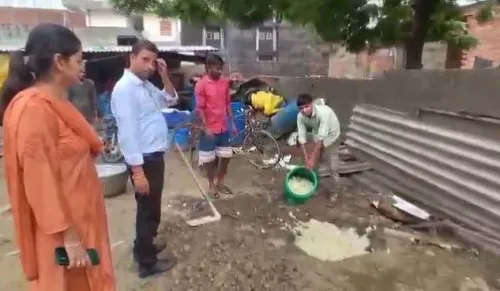
Priyank Kanoongo, a member of the National Human Rights Commission (NHRC) and former Chairperson of the National Commission for Protection of Child Rights (NCPCR), on Thursday condemned a criminal operation in Okhla, New Delhi, where fraudsters were found printing counterfeit expiry dates and fabricated nutrition charts to relabel popular food products — including Bournvita and Maggi — for resale. The raid, triggered by a public complaint, exposed a gang systematically targeting products consumed primarily by children.
What the Raid Uncovered
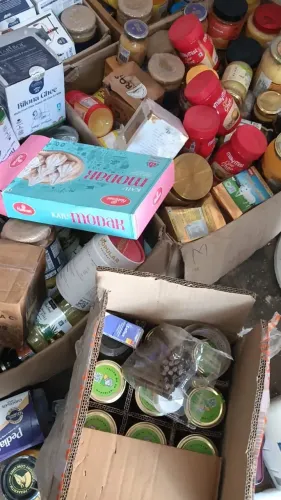
The Food Safety Department conducted an inspection at a premises in the Okhla Industrial Area, where investigators found stockpiles of expired food items bearing counterfeit labels. A police team was reportedly present during the raid. Kanoongo, who visited the site personally, shared a video on social media platform X showing him walking through the facility, which was stacked with soft drink cans and edible powder jars — several of which had duplicate labels affixed directly over the originals.
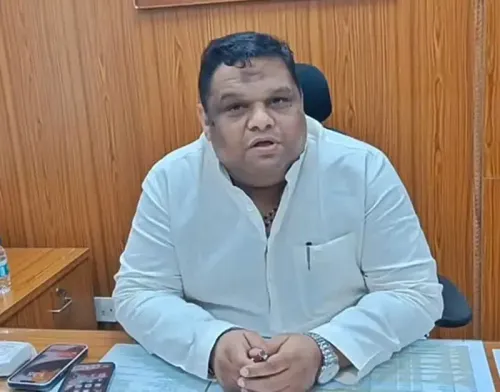
Kanoongo stated on X: 'Selling Bournvita and Maggi with fake labelling is an attack on India's children!!' He added that the gang was 'printing fake expiry dates and nutrition value charts themselves and affixing counterfeit labels to sell the goods,' and noted that 'the operation is ongoing; remaining information to follow.' He also sought to identify the owner allegedly running the racket from the heart of the National Capital.
A Repeat Pattern Across India
This is not an isolated incident. Reports have previously documented fraudsters illegally importing, repackaging, and reselling globally branded food products. A common method involves purchasing expired stock at steep discounts and supplying it to high-end grocery stores, premium retail chains, and e-commerce platforms — venues where consumers tend to lower their guard. Despite repeated raids, arrests, and legal proceedings in similar cases, the practice has persisted, with the Okhla bust being the latest in a recurring cycle.
Impact on Children's Health
Children are disproportionately affected because products like health drinks and instant noodles are among their most frequently consumed packaged foods. Tampered expiry dates and falsified nutrition information mean parents and caregivers cannot make informed choices. Consuming expired or adulterated products poses direct health risks, ranging from digestive illness to longer-term nutritional harm, according to food safety experts.
What Happens Next
Further investigation and enforcement action are underway, as confirmed by Kanoongo's post. The NHRC member's direct involvement signals that the matter could escalate to a formal human rights inquiry. Kanoongo, who is also the author of 'Pinjra – The Cage' — a documented account of children in care institutions — has consistently raised child welfare concerns through institutional and public channels. Authorities have yet to officially name the owner of the Okhla facility.
Point of View
Not a one-off raid. Fake food labelling has been flagged repeatedly across Indian cities, yet the cycle of discovery, arrest, and recurrence continues — suggesting that penalties are either too light or too inconsistently applied to deter organised rackets. The fact that an NHRC member had to physically walk into the premises to generate accountability is itself telling: routine food safety inspections should have caught this. With children as the primary victims and premium retail chains as unwitting distribution points, the reputational and public health stakes are high enough to warrant a systemic regulatory response, not just another FIR.
NationPress
1 Oct 2026
Frequently Asked Questions
What was found in the Okhla food fraud raid?
Investigators found expired food items with counterfeit labels bearing fake expiry dates and fabricated nutrition charts, affixed over the original packaging of branded products including Bournvita and Maggi. The Food Safety Department conducted the raid at a premises in the Okhla Industrial Area, New Delhi, following a complaint.
Who is Priyank Kanoongo and why is he involved?
Priyank Kanoongo is a member of the National Human Rights Commission (NHRC) and a former Chairperson of the National Commission for Protection of Child Rights (NCPCR). He personally visited the raided facility, documented the evidence on video, and raised the alarm on social media platform X, citing the direct threat such fraud poses to children's health.
Why are children particularly at risk from fake food labels?
Products like health drinks and instant noodles are among the most frequently consumed packaged foods by children, making them prime targets for fraudulent relabelling. Tampered expiry dates and falsified nutrition information prevent parents from making safe choices, and consuming expired or adulterated products can cause digestive illness and nutritional harm.
Is this the first such food fraud case in India?
No. Reports have documented similar operations across India, where fraudsters buy expired stock cheaply, repackage it with fake labels, and supply it to high-end grocery stores, retail chains, and e-commerce platforms. Despite repeated raids and arrests, such cases continue to surface, with the Okhla operation being the latest known instance.
What action is being taken following the Okhla raid?
Further investigation and enforcement action are underway, as confirmed by Kanoongo. The owner of the facility had not been officially named at the time of reporting. Kanoongo's direct NHRC involvement raises the possibility of a formal human rights inquiry into the matter.