NHRC issues notice to Kolkata Police chief over Sarsuna human rights violation
Synopsis
India's top human rights body has stepped in after Kolkata Police officers reportedly made three arrested men walk barefoot with ropes around their waists through a residential locality during a crime reconstruction — conduct the NHRC says could constitute a grave rights violation. Commissioner Ajay Nand has two weeks to respond.
Key Takeaways
The NHRC issued a suo motu notice to Kolkata Police Commissioner Ajay Nand on 29 October 2026 over the Sarsuna incident.
Three arrested suspects were reportedly made to walk 100 metres barefoot with ropes tied around their waists during a crime-scene reconstruction.
The original incident on 26 October involved the alleged detention, stripping, and public parading of an 18-year-old and two others by the girl's family at gunpoint for approximately 50 metres .
The NHRC asked the police chief to specify under which legal provisions the accused were subjected to such treatment.
The Kolkata Police must submit a detailed report to the commission within two weeks .
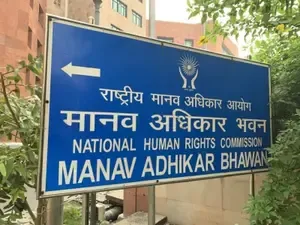
The National Human Rights Commission (NHRC) on Thursday, 29 October 2026, issued a notice to Kolkata Police Commissioner Ajay Nand, taking suo motu cognisance of media reports alleging that law enforcement personnel made three arrested suspects walk barefoot with ropes tied around their waists in public during a crime-scene reconstruction in the Sarsuna area of South Kolkata. The rights panel has sought a detailed report from the police chief within two weeks.
What the NHRC Notice Says
In its notice, the commission asked Commissioner Ajay Nand to verify the accuracy of the published media reports and specify under which provisions of law the accused were subjected to such treatment while in custody. The NHRC emphasised that if the allegations against the police officers are substantiated, the conduct would constitute a grave violation of human rights.
How the Sarsuna Incident Unfolded
The controversy traces back to Sunday, 26 October, when an 18-year-old youth visited Sarsuna with his 19-year-old friend to meet his underage girlfriend. A friend of the girl's uncle allegedly witnessed the youth kissing the minor, after which the situation reportedly escalated rapidly.
Members of the girl's family allegedly detained the two youths at their residence for an extended period, subjecting them to harassment, before summoning the boyfriend's father to the location. The family then allegedly held all three individuals at gunpoint, forced them to strip, and paraded them for approximately 50 metres on the public road outside the house.
Following a complaint, officers from Sarsuna Police Station arrested three individuals — the minor girl's father, her uncle, and a family friend.
The Police Conduct Under Scrutiny
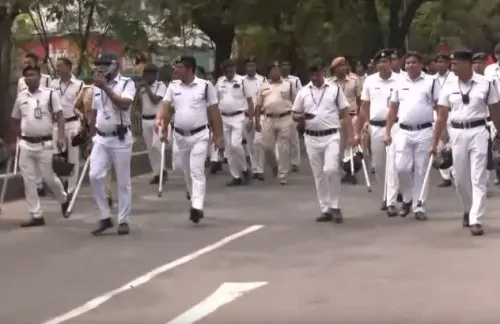
The police faced sharp criticism the following day when officers brought the three accused back to the neighbourhood to reconstruct the crime scene. The suspects were reportedly made to walk roughly 100 metres through the locality clad only in shorts, barefoot, and bound with ropes around their waists — prompting the NHRC's intervention.
Notably, the police action itself — the public parading of the accused during the reconstruction — has drawn criticism that mirrors the very conduct the original arrests were meant to address. Critics argue this raises serious questions about due process and the dignity of persons in custody, regardless of the alleged offence.
Broader Context and What Comes Next
The NHRC's suo motu action reflects a pattern of the rights body stepping in when media reports suggest custodial violations, particularly in cases involving public humiliation of accused persons. Such treatment, if verified, may contravene both constitutional protections and established Supreme Court guidelines on the treatment of persons in custody.
The Kolkata Police is now required to submit a detailed report within two weeks. Depending on the findings, the commission could recommend disciplinary action or further legal proceedings against the officers involved.
Point of View
And then reportedly humiliating the accused in the same manner during a crime reconstruction. The NHRC's intervention is warranted, but suo motu notices without binding follow-through have limited deterrent value. West Bengal has faced recurring scrutiny over law enforcement conduct, and this incident risks reinforcing the perception that procedural safeguards in custodial settings are applied selectively. The deeper question is whether departmental accountability mechanisms in the Kolkata Police are robust enough to act without an external prod from a rights commission.
NationPress
30 Oct 2026
Frequently Asked Questions
What is the Sarsuna human rights incident in Kolkata?
The Sarsuna incident refers to two separate but connected episodes in South Kolkata. First, on 26 October, three individuals were allegedly detained, stripped, and paraded at gunpoint by a girl's family members. Second, the following day, the three arrested accused were reportedly made to walk barefoot with ropes tied around their waists during a police-led crime-scene reconstruction — conduct that triggered the NHRC's notice.
Why has the NHRC issued a notice to the Kolkata Police Commissioner?
The National Human Rights Commission issued a notice to Commissioner Ajay Nand because media reports indicated that police personnel made three arrested suspects walk barefoot and bound with ropes through a residential area during a crime reconstruction. The NHRC called this a potential grave violation of human rights if the allegations are confirmed.
What has the NHRC asked the Kolkata Police to provide?
The NHRC has asked the Kolkata Police Commissioner to verify the accuracy of the media reports and specify under which legal provisions the accused were subjected to such treatment in custody. A detailed report must be submitted within two weeks.
Who were the individuals arrested in the Sarsuna case?
Police from Sarsuna Police Station arrested three individuals: the minor girl's father, her uncle, and a family friend. They were accused of allegedly detaining and publicly humiliating the youths on 26 October.
What happens if the NHRC finds the allegations against the police substantiated?
If the NHRC finds the allegations credible, it could recommend disciplinary action against the officers involved and potentially refer the matter for further legal proceedings. The commission has the authority to recommend compensation and corrective action, though it cannot issue binding criminal penalties.