NHRC issues notices over alleged compulsory Islamic lessons at Hyderabad college
Synopsis
India's top human rights body has stepped in after a Hyderabad private college allegedly made Islamic prayers and lessons compulsory homework via school diaries — and dismissed parent objections as a 'mistake.' The NHRC has given Telangana authorities two weeks to explain, putting the spotlight on religious instruction in secular institutions.
Key Takeaways
The NHRC issued notices on 16 July to the Telangana School Education Department , Hyderabad District Magistrate , and Commissioner of Police .
The complaint targets Success the Junior College in Saidabad, Hyderabad , alleging Islamic religious lessons and prayers were assigned as compulsory homework through official school diaries.
School management allegedly dismissed the repeated entries as a 'mistake' when parents raised concerns.
NHRC Member Priyank Kanoongo took cognisance under Section 12 of the Protection of Human Rights Act, 1993 .
Authorities have been directed to submit an Action Taken Report (ATR) within two weeks .
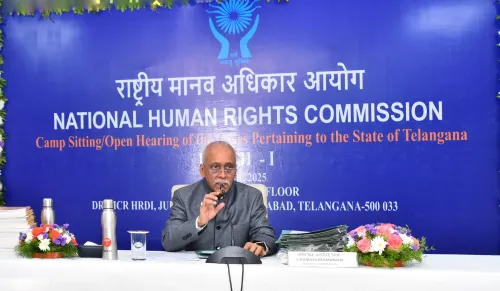
The National Human Rights Commission (NHRC) has issued notices to the Telangana School Education Department, the Hyderabad District Magistrate, and the Commissioner of Police, Hyderabad, over allegations that a private junior college in the city made Islamic religious lessons and prayers compulsory for students through official school diaries. The notice was issued on 16 July after the apex rights body took cognisance of the complaint.
What the Complaint Alleges
The complaint names Success the Junior College, located in Saidabad, Hyderabad, alleging that the institution had been assigning Islamic religious lessons and prayers as compulsory homework through official school diaries. When parents reportedly raised objections with the school management, authorities allegedly failed to offer a satisfactory explanation and characterised the repeated entries as a 'mistake' — a response the complainant found inadequate given the pattern of such instructions.
The complainant argued that imposing religious instruction in a secular educational institution violates children's fundamental rights and undermines the secular character of education guaranteed under Indian law.
NHRC's Response and Directions
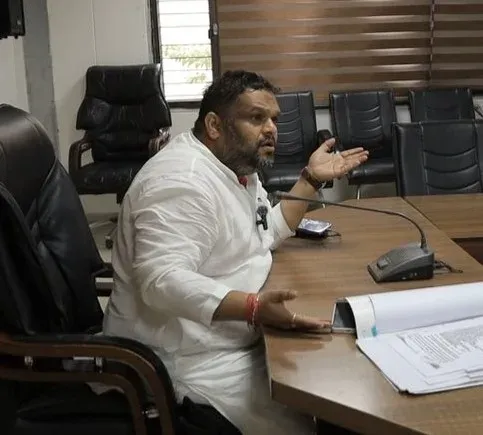
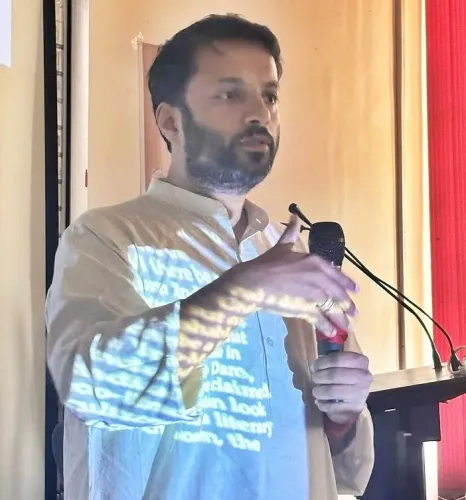
A Bench presided over by NHRC Member Priyank Kanoongo took cognisance of the matter under Section 12 of the Protection of Human Rights Act, 1993, observing that the allegations, if true, prima facie indicate violations of the human rights of the affected students.
The Commission directed its registry to issue formal notices to the Director of School Education, Government of Telangana, the District Magistrate, Hyderabad, and the Commissioner of Police, Hyderabad. All three have been asked to inquire into the allegations and submit an Action Taken Report (ATR) within two weeks, to be forwarded to the NHRC by email.
What the Complainant Sought
The petitioner requested the NHRC's intervention on three counts: an independent inquiry into the matter, appropriate action against the college management, and broader directions to prevent compulsory religious instruction in educational institutions across the board. The NHRC's notice signals that these demands have been taken seriously enough to warrant a formal state response.
Why This Matters
The case touches on a sensitive intersection of minority educational rights, state secularism, and parental consent in schooling. India's constitutional framework permits religious instruction in institutions established and administered by religious minorities, but does not permit such instruction to be made compulsory for students in general secular institutions without parental consent. Notably, this is not the first time the NHRC has been approached over alleged rights violations in private educational institutions — the body has previously intervened in cases involving corporal punishment, fee irregularities, and discriminatory practices.
The two-week deadline for the ATR means authorities in Telangana are expected to respond by late July. Whether the inquiry substantiates the allegations or clears the college will determine what action, if any, follows.
Point of View
But because it forces a formal state response to what might otherwise have been dismissed as a local administrative dispute. The 'it was a mistake' defence becomes harder to sustain when the same entries allegedly appeared repeatedly. More broadly, the case tests where India draws the line between minority educational rights — which the Constitution protects — and the prohibition on compulsory religious instruction in secular institutions. That line has rarely been tested at the institutional level with this degree of public scrutiny, and the ATR Telangana submits will be watched closely by rights groups on both sides of the debate.
NationPress
15 Oct 2026
Frequently Asked Questions
What has the NHRC done regarding the Hyderabad college case?
The NHRC has issued formal notices to the Telangana School Education Department, the Hyderabad District Magistrate, and the Commissioner of Police, asking them to inquire into allegations and submit an Action Taken Report within two weeks. The Commission took cognisance under Section 12 of the Protection of Human Rights Act, 1993.
Which college is at the centre of the NHRC notice?
The complaint names Success the Junior College in Saidabad, Hyderabad, which allegedly assigned Islamic religious lessons and prayers as compulsory homework through official school diaries.
What did parents allege when they raised concerns?
Parents reportedly questioned the school management about the religious entries in school diaries, but authorities allegedly failed to give a satisfactory explanation and described the repeated instructions as a 'mistake.'
Is it legal to make religious instruction compulsory in Indian schools?
India's constitutional framework does not permit compulsory religious instruction in secular educational institutions without parental consent. The complainant argued that the college's alleged practice violates children's rights and the secular character of education.
What happens next in the NHRC case?
Telangana authorities have two weeks from the date of notice to submit an Action Taken Report to the NHRC. The Commission will review the report to decide on further action, which could include directions against the college management.