Noida Factory Workers' Protest Over Low Wages Erupts Into Violence; Seek Salary Hikes Up to Rs 25,000
Synopsis
A protest in Noida by factory workers over low wages turned violent, leading to clashes with police. Workers demand significant salary hikes, with many earning only Rs 12,000 despite rising living costs. The situation escalated, prompting police intervention as workers call for urgent action on their grievances.
Key Takeaways
Protests in Noida by factory workers escalated into violence.
Workers demand salary hikes due to rising living costs.
Many workers earn only Rs 12,000 per month.
Authorities have promised to address workers' grievances.
Overtime compensation and mandatory weekly offs are under discussion.
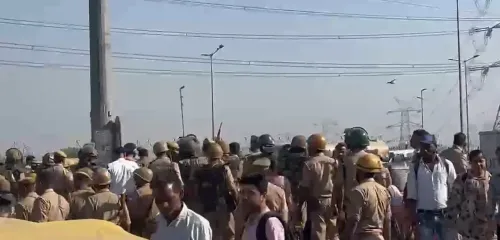
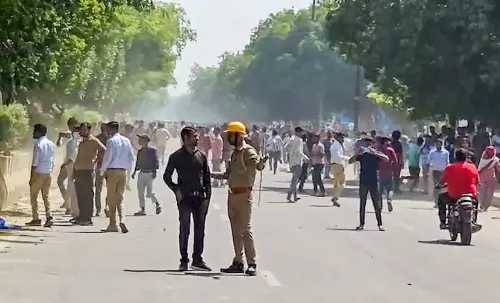
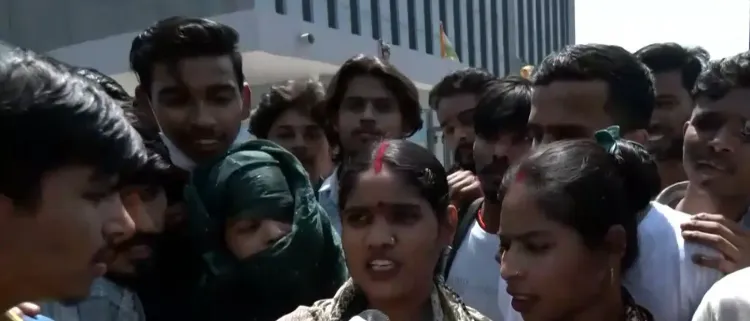
Noida, April 13 (NationPress) A significant protest by factory workers regarding low wages and unfulfilled salary hike demands escalated into violence in Noida, Uttar Pradesh, on Monday. Angered employees vandalized vehicles, damaged property, and reportedly threw stones at police officers in the Phase 2 industrial zone.
The protest, spearheaded by workers from various private manufacturing companies, resulted in severe traffic disruptions along the Noida Link Road, with long vehicle queues reported for hours. Demonstrators blocked routes from the Chilla Border, critically impacting vehicle movement between Delhi and Noida. In response, authorities deployed a heavy police presence to restore order.
In conversations with IANS, numerous workers expressed their frustrations, emphasizing the widening chasm between their wages and the escalating cost of living. One protester mentioned that despite five years of service at his company, his monthly salary is still around Rs 12,000. “When we request a pay rise, we face threats and are told to resign,” he stated.
Another worker highlighted the increasing living expenses, questioning how those on low incomes are expected to manage. “Those making Rs 50,000 pay Rs 200 per kg for cooking oil, and we are forced to pay the same. Is there a separate market for us?” he asked, noting that nearly Rs 5,000 goes towards rent alone. “Our salaries need to be increased,” he insisted.
Concerns about rising housing costs were also voiced. “Every year, our rent goes up, but our salaries remain stagnant. How can we cope?” one protester lamented, mentioning the challenges in managing expenses such as rent, groceries, and children's education.
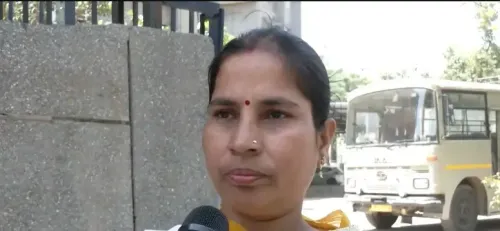
Many workers are advocating for a minimum monthly salary ranging from Rs 20,000 to Rs 25,000 to adequately support their families. A female worker told IANS that her base salary is Rs 12,000, which only rises to Rs 14,000–15,000 with overtime. “Even then, it’s insufficient for our needs. Our pay should be at least Rs 20,000–25,000,” she asserted.
Workers also raised issues regarding overtime pay. “We deserve double overtime compensation. Many of us have been employed in TV manufacturing for over five to six years, yet our pay remains at Rs 12,000,” a group of workers remarked collectively.
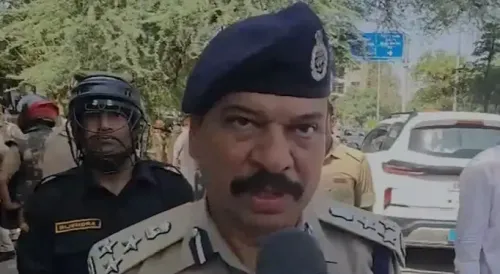
As tensions mounted, clashes occurred between protesters and police, leading to reports of stone-throwing at the site. Authorities consequently increased security measures in the area to prevent further disturbances.
Meanwhile, District Magistrate Medha Roopam assured that measures are being taken to address the workers' concerns. She mentioned that multiple discussions with industrial representatives have taken place in recent days, resulting in several directives being issued.
The administration announced that workers will receive double wages for overtime, with mandatory weekly off days. If employees must work on their designated off days, they will receive compensation at double rates. In addition, all workers will receive bonuses per regulations, to be deposited directly into their bank accounts by November 30.
Despite these commitments, workers remain steadfast in their primary demand for a substantial salary increase, asserting that without a significant wage hike, maintaining a basic standard of living is unattainable.
Point of View
It is essential to convey the urgency of the situation in Noida, where factory workers' protests reflect deeper economic disparities. The demands for higher wages underscore a critical conversation about living standards in industrial sectors. Authorities must engage constructively to address these grievances to foster stability and economic fairness.
NationPress
19 Sept 2026
Frequently Asked Questions
What sparked the protests in Noida?
The protests were initiated by factory workers demanding higher wages due to the increasing cost of living and stagnant salaries.
What were the workers' salary demands?
Workers are demanding salary hikes ranging from Rs 20,000 to Rs 25,000 to meet their household expenses.
How did the authorities respond to the protests?
Authorities deployed heavy police presence to manage the situation and assured that steps are being taken to address workers' concerns.
What are the workers' concerns regarding overtime pay?
Workers are advocating for double overtime compensation, asserting that their current wages do not reflect their work hours.
Is there any action being taken to resolve the issues?
Yes, the administration has stated that multiple meetings with industrial units have occurred, and directives have been issued to address the concerns.