Odisha CM Office: ₹239 Cr Canal Upgrade for Kalahandi
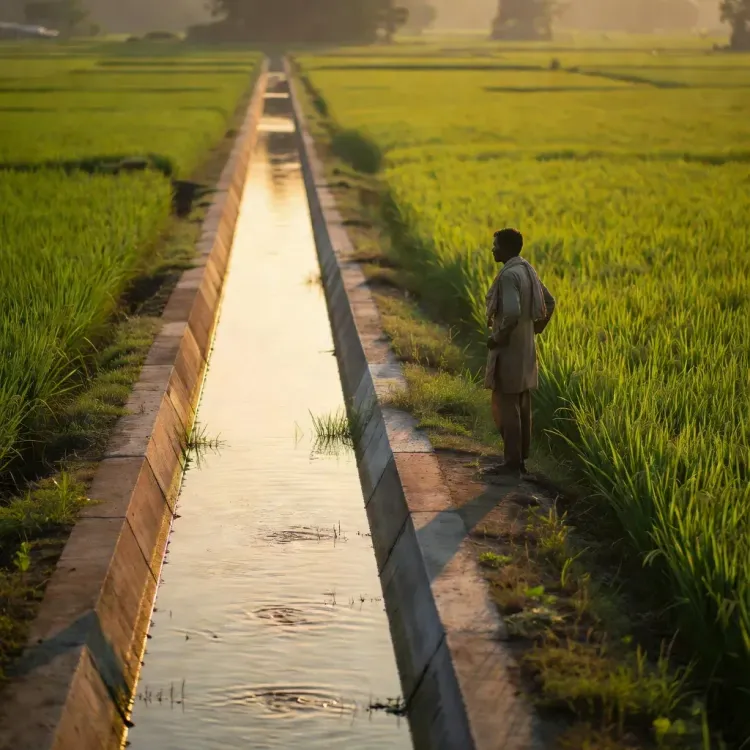
Synopsis
The Chief Minister's Office of Odisha has announced a ₹239.13 crore project to rehabilitate 42.606 km of the Upper Indravati Right Main Canal in Kalahandi, aiming to reduce water loss and secure irrigation across 27,195 hectares for both Kharif and Rabi seasons.
Key Takeaways
₹239.13 crore sanctioned for rehabilitation and modernisation of the Upper Indravati Right Main Canal in Kalahandi.
The project covers a 42.606-kilometre stretch of the canal's right main arm.
An ayacut (command area) of 27,195 hectares will benefit from improved water delivery.
Works are designed to reduce conveyance losses and raise irrigation efficiency across both Kharif and Rabi crop seasons .
The canal is part of the Upper Indravati multipurpose project , originally commissioned in the 1990s.
Kalahandi , a historically drought-vulnerable western Odisha district, is the primary beneficiary.
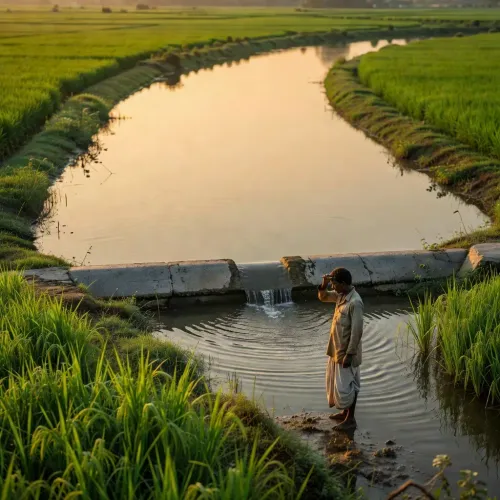
A ₹239.13 crore investment is about to reshape farming life across 27,195 hectares of western Odisha — and for the drought-prone district of Kalahandi, it could not come sooner. The Chief Minister's Office of Odisha announced on Tuesday, November 17, 2026, the rehabilitation and modernisation of a 42.606-kilometre stretch of the Upper Indravati Right Main Canal, a move aimed at cutting water losses and dramatically improving irrigation efficiency.
A Canal Built Decades Ago, Now Getting a Lifeline
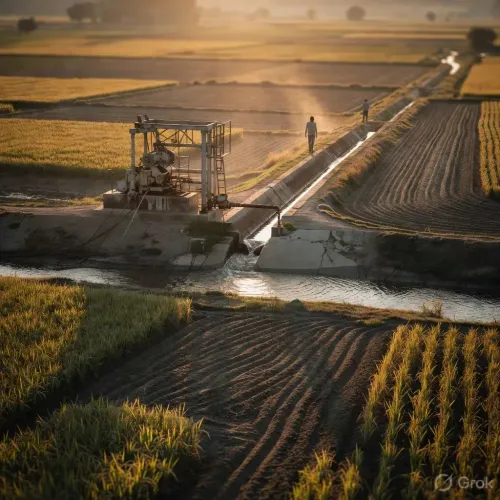
The Upper Indravati multipurpose project was commissioned in the 1990s to harness the Indravati river for both irrigation and hydropower across western Odisha. Its canal network was engineered for a different era — ageing infrastructure, conveyance losses, and uneven water delivery have steadily eroded its effectiveness. The planned restoration directly targets that degradation across the canal's 42.606 km principal right-bank arm.
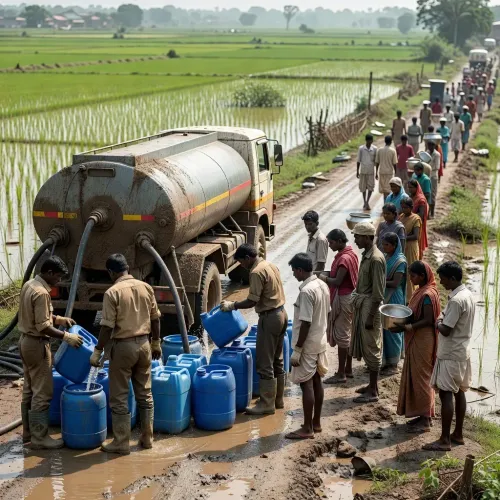
Odisha has pursued phased rehabilitation of its canal networks for years, recognising that simply building new infrastructure without maintaining existing systems leaves entire farming belts exposed to rainfall volatility. Kalahandi, historically among Odisha's most rainfall-variable western districts, has long been a priority zone for such interventions.
What 27,195 Hectares of Ayacut Stands to Gain
The CMO's announcement states the project will 'reduce water loss and increase irrigation efficiency' across the 27,195-hectare ayacut — the official command area served by the canal. That is the number that matters most to farmers: reliable water arriving predictably, season after season.
Critically, the upgrade is designed to serve both Kharif and Rabi seasons — summer paddy as well as the winter crop cycle. For smallholders in Kalahandi who have historically depended on erratic monsoons, the promise of a second assured crop is transformative. Improved conveyance efficiency means more water actually reaching fields, rather than seeping away through degraded canal lining.
Kalahandi's Long Road from Scarcity to Stability
Kalahandi carries a heavy historical association with agrarian distress, making infrastructure investments here carry symbolic weight beyond the engineering specs. Modernising the canal network is part of a broader state strategy: raise irrigation intensity in rainfed districts, reduce dependence on direct rainfall, and anchor farm incomes through double-cropping.
The watch item now is execution — specifically, the completion milestones for the 42.6 km stretch and whether official monitoring will document actual gains in water-use efficiency and the expansion of cropped area within the 27,195 ha command zone. Announced investments become transformative only when the sluice gates open and water flows to the last field.
Point of View
However, will come at the monitoring stage: whether efficiency gains and actual cropped-area expansion are systematically tracked and reported.
NationPress
17 Nov 2026
Frequently Asked Questions
What is the Upper Indravati Right Main Canal project in Kalahandi?
It is a ₹239.13 crore government project to rehabilitate and modernise a 42.606 km stretch of the Upper Indravati Right Main Canal in Kalahandi district, Odisha, aimed at reducing water losses and improving irrigation for 27,195 hectares of farmland.
How many farmers or hectares will benefit from the Kalahandi canal upgrade?
The project is designed to strengthen irrigation across a 27,195-hectare ayacut (command area), benefiting farmers in Kalahandi during both the Kharif and Rabi crop seasons.
What is the Upper Indravati multipurpose project?
The Upper Indravati multipurpose project was commissioned in the 1990s to harness the Indravati river for irrigation and hydropower generation in western Odisha, including Kalahandi and neighbouring districts.
Why is canal rehabilitation important for Kalahandi?
Kalahandi is a rainfall-variable district where ageing canal infrastructure has led to significant conveyance losses. Rehabilitation reduces water wastage and enables more reliable double-cropping, improving farm incomes in an area historically associated with agrarian distress.
What is an ayacut area in irrigation projects?
An ayacut refers to the total agricultural command area — the land officially designated to receive irrigation water from a canal or reservoir. For this project, the ayacut stands at 27,195 hectares in Kalahandi.