CM Mohan Majhi Marks 2 Years of Rural Growth in Odisha
Synopsis
The Chief Minister's Office of Odisha marked two years of CM Mohan Majhi's BJP government on 2 July 2026, highlighting rural housing expansion and empowered Panchayats as the twin pillars of inclusive growth across the state's villages.
Key Takeaways
The Chief Minister's Office of Odisha posted a two-year governance review on 2 July 2026 under the hashtag #2YearsofLokankaSarakar .
Chief Minister Mohan Majhi took office in June 2024 after the BJP's assembly election victory ended long-running BJD rule in Odisha.
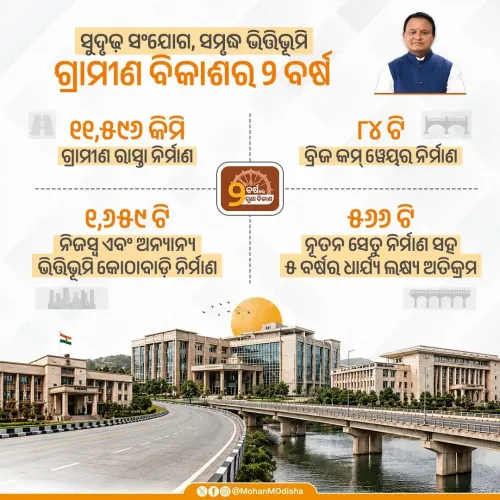
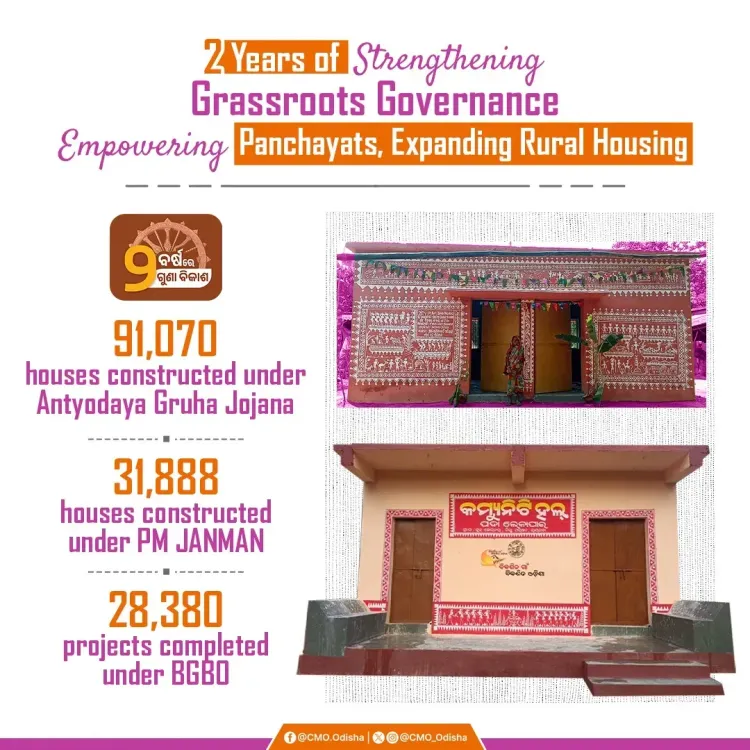
The administration highlighted rural housing and infrastructure development as key areas of progress over the two-year period.
Empowered Panchayats are cited as the primary vehicle for delivering inclusive growth and improving quality of life in rural communities.
The campaign hashtag #BikasharaDharaOdishaSara signals a statewide development narrative ahead of future electoral cycles.
State budget allocations for rural housing and fresh Panchayat-level planning guidelines remain key indicators to watch.
The Chief Minister's Office of Odisha on Thursday, 2 July 2026 highlighted two years of governance under Chief Minister Mohan Majhi, citing expanded rural housing and infrastructure development as key achievements under the hashtags #2YearsofLokankaSarakar and #BikasharaDharaOdishaSara (roughly, 'two years of the people's government' and 'a stream of development across Odisha').
Context
The post marks the second anniversary of the BJP government in Odisha, which came to power following the June 2024 assembly election victory that ended a long period of Biju Janata Dal rule in the state. The CMO's message frames the two-year period as one of meaningful progress at the grassroots level, with particular emphasis on rural communities and local governance bodies.
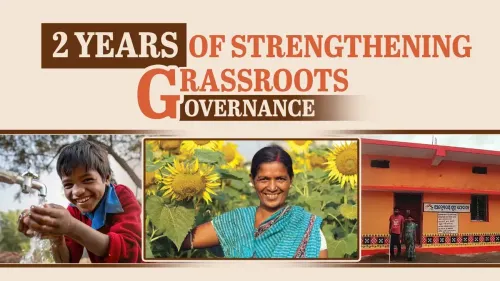
The official post states that 'empowered Panchayats are driving inclusive growth, creating stronger communities and improving the quality of life across rural Odisha,' positioning decentralised governance as the centrepiece of the administration's development narrative.
Policy Backdrop
Panchayats in India derive their constitutional mandate from the 73rd Constitutional Amendment, which established the three-tier Panchayati Raj system and tasked rural local bodies with implementing development programmes. The Odisha government's emphasis on 'empowered Panchayats' aligns with this national framework of decentralised planning and delivery.
On rural housing, the central government's Pradhan Mantri Awaas Yojana – Gramin (PMAY-G) has been the primary vehicle for providing pucca dwellings to eligible rural households across Indian states, including Odisha. State governments typically complement this with their own allocations and administrative push to accelerate beneficiary identification and construction completion.
Following the 2024 election, the incoming Mohan Majhi administration had indicated rural infrastructure and decentralised governance as priority areas in its initial policy statements, making this two-year review consistent with those early commitments.
Stakeholders and Impact
The primary beneficiaries of the programmes highlighted are rural households across Odisha, particularly those in need of permanent housing, and Panchayat representatives who are positioned as active agents of local development rather than passive administrators. Odisha has a substantial rural population, and improvements in housing and local infrastructure have direct bearing on living standards, sanitation, and economic mobility.
The framing of 'inclusive growth' through Panchayats also signals an intent to reach marginalised communities — including Scheduled Tribes and Scheduled Castes, who constitute a significant share of Odisha's rural population — through locally accountable governance structures.
What's Next
Analysts and policy watchers will look to the state's budget allocations for rural housing and any fresh guidelines on Panchayat-level planning in the next financial year as concrete indicators of whether the momentum described in the CMO's post translates into measurable outcomes. The government's ability to demonstrate verifiable progress on housing completions and Panchayat capacity will be central to its political narrative as it moves into the latter half of its term.
With the #BikasharaDharaOdishaSara campaign framing development as a statewide continuum, the administration appears to be laying the groundwork for a sustained communication strategy around rural governance ahead of future electoral cycles.
Point of View
Having unseated a dominant regional party in 2024, needs a credible rural development story to consolidate its base in a state where agriculture and village life define electoral outcomes. By centering Panchayats and housing, the administration is deliberately invoking the language of constitutional decentralisation, lending institutional weight to what is also a partisan milestone. The emphasis on 'inclusive growth' through local bodies mirrors a broader national BJP strategy of using central scheme convergence — particularly PMAY-G — to build direct beneficiary relationships at the village level. Whether the narrative holds will depend on verifiable delivery data that the government has yet to put in the public domain.
NationPress
1 Oct 2026
Frequently Asked Questions
How long has Mohan Majhi been Chief Minister of Odisha?
Mohan Majhi has been Chief Minister of Odisha since June 2024 , when the BJP won the state assembly elections, marking two years in office as of July 2026.
What is the #2YearsofLokankaSarakar hashtag about?
The hashtag #2YearsofLokankaSarakar translates roughly to 'two years of the people's government' and was used by the Chief Minister's Office of Odisha to mark the second anniversary of the Mohan Majhi-led BJP administration in the state.
What is PMAY-G and how does it relate to Odisha's rural housing push?
Pradhan Mantri Awaas Yojana – Gramin (PMAY-G) is the central government's flagship scheme to provide pucca houses to eligible rural households. Odisha, like other states, implements the scheme through its Panchayat network, which the Majhi government has highlighted as a key delivery mechanism.
What role do Panchayats play in Odisha's development agenda?
Under the 73rd Constitutional Amendment , Panchayats are empowered as the foundational unit of rural governance in India. The Odisha government has positioned strengthened Panchayats as the primary driver of inclusive growth and infrastructure delivery in villages across the state.
What should we watch for next in Odisha's rural governance push?
Key indicators to watch include the state's budget allocations for rural housing in the next financial year, progress on housing completion numbers under PMAY-G, and any new guidelines issued for Panchayat-level planning and resource management.