Is Odisha Becoming India’s Most Promising Clean Energy Hub?
Click to start listening

Synopsis
Odisha is on the fast track to becoming India's leading clean energy destination, backed by its natural resources and industrial growth. This report delves into the state's potential and the urgent need for strategic planning in the energy sector.
Key Takeaways
- Odisha is becoming a key player in India's clean energy landscape.
- Strong potential in solar, wind, and hydro energy.
- Strategic port infrastructure supports energy export.
- Need for dedicated energy planning to meet future demands.
- Green hydrogen initiatives can attract significant investments.
New Delhi, Dec 1 (NationPress) Odisha is swiftly establishing itself as one of India’s most advantageous clean energy hubs, driven by its abundant natural resources, forward-thinking policies, and increasing industrial demand, according to a report released on Monday.
With considerable potential in solar, wind, and hydro energy, complemented by a robust port infrastructure and clear policy frameworks, the state is poised to significantly contribute to India’s clean energy goals for 2030 and its long-term vision for net-zero emissions.
According to a collaborative report by EY and Assocham, "Odisha’s ports, extensive industrial base, and initiatives for energy storage and green hydrogen present a unique opportunity to draw in investments and establish itself as a green manufacturing center for Eastern India."
The report underscored substantial prospects for exporting hydrogen and ammonia from Odisha, leveraging the state’s well-developed port facilities, which provide it with a strategic edge in supplying markets like Japan, Korea, and the European Union.
Moreover, several major international companies are currently assessing green hydrogen and ammonia projects along the eastern coastal corridor, positioning Odisha as a burgeoning hub for clean energy exports.
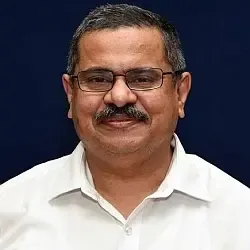
“The foundation for Odisha’s green industrialisation is firmly rooted in its port-centric ecosystems at Paradeep, Dhamra, and Gopalpur, its notable renewable energy potential, and appealing incentives for green infrastructure and captive energy generation. The state’s 34 GW capacity for pumped storage uniquely positions it to spearhead India’s energy storage revolution, facilitating 24x7 renewable power and bolstering grid stability,” stated Somesh Kumar, Partner and Leader, Power and Utilities, EY India.
The report also projected that the state’s electricity demand could peak at 10,564 MW by FY 2033-34, propelled by industrial growth and increasing consumption levels.
To satisfy this demand surge, the state is expected to need approximately 26,237 MW of additional contracted capacity over the next decade, highlighting the pressing need for integrated planning and infrastructure readiness.
In response to these challenges and opportunities, the report advocated for the Government of Odisha—especially the Industries and Energy Departments—to set up a dedicated State Energy Planning and Transformation Unit. This unit should concentrate on comprehensive strategies for renewable energy, pumped storage, hydrogen generation, port operations, transmission, land pooling, and financial mobilization.
“Odisha stands at a unique crossroads of industrial scale, renewable resource abundance, and a world-class port ecosystem, offering one of the most compelling clean energy value propositions in India today,” remarked Pankaj Lochan Mohanty, Chairman, Odisha State Development Council, Assocham.
Point of View
Odisha's emergence as a clean energy hub reflects India's commitment to sustainable development. The state's unique advantages, including its port infrastructure and renewable energy potential, make it a critical player in the global clean energy market. As we navigate the transition to greener energy sources, Odisha’s proactive approach can serve as a blueprint for other regions in India and beyond.
NationPress
01/12/2025
Frequently Asked Questions
What are the key advantages of Odisha in clean energy?
Odisha boasts a strong natural resource base, progressive policies, and a well-developed port ecosystem, making it an attractive destination for clean energy investments.
How does Odisha plan to meet its energy demand by FY 2033-34?
The state anticipates a peak electricity demand of 10,564 MW, necessitating an additional 26,237 MW of contracted capacity over the next decade.
What role will green hydrogen play in Odisha's energy future?
Green hydrogen is set to be a vital part of Odisha's clean energy strategy, with significant opportunities for production and export, especially to markets in Japan, Korea, and the EU.