Odisha CMO: Flood rescue, relief ops in full swing
Synopsis
The Chief Minister's Office of Odisha confirmed on July 31, 2026 that ODRAF, NDRF, Fire Services and district administrations are conducting coordinated flood rescue, shelter and relief operations, with all government machinery on high alert to protect affected residents.
Key Takeaways
The Chief Minister's Office of Odisha confirmed active flood rescue and relief operations on July 31, 2026 .
ODRAF (Odisha Disaster Rapid Action Force), NDRF (National Disaster Response Force), Odisha Fire Services , and district administrations are operating in a unified command structure.
Rescue, shelter, relief, and essential services are stated to be running continuously without interruption.
Strict vigilance over flood-affected areas is being maintained through coordinated inter-agency efforts.
Odisha's multi-layered disaster response framework was built after the devastating 1999 super cyclone and is among India's most developed state-level systems.
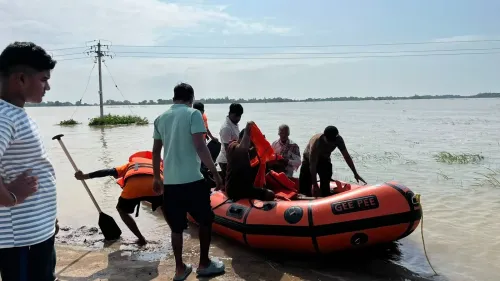
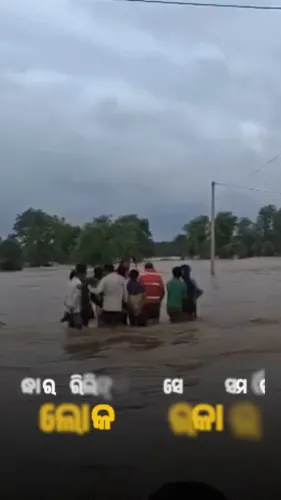
As monsoon floodwaters grip parts of Odisha, the state government has placed the safety of affected residents at the top of its priority list — mobilising specialised rescue forces, opening shelters, and keeping essential services running without pause. The Chief Minister's Office of Odisha confirmed on Friday, July 31, 2026 that coordinated operations are actively under way across flood-hit areas.
The post, in Odia, stated: 'ବନ୍ୟା ପରିସ୍ଥିତିରେ ଲୋକଙ୍କ ସୁରକ୍ଷାକୁ ସର୍ବାଧିକ ପ୍ରାଥମିକତା' — 'In the flood situation, the safety of the people is the highest priority' — adding that rescue, shelter, relief, and essential services are continuing without interruption, with strict vigilance maintained over affected areas through the combined efforts of ODRAF, NDRF, the Fire Services, and district administrations.
ODRAF, NDRF and Fire Services: three layers of response
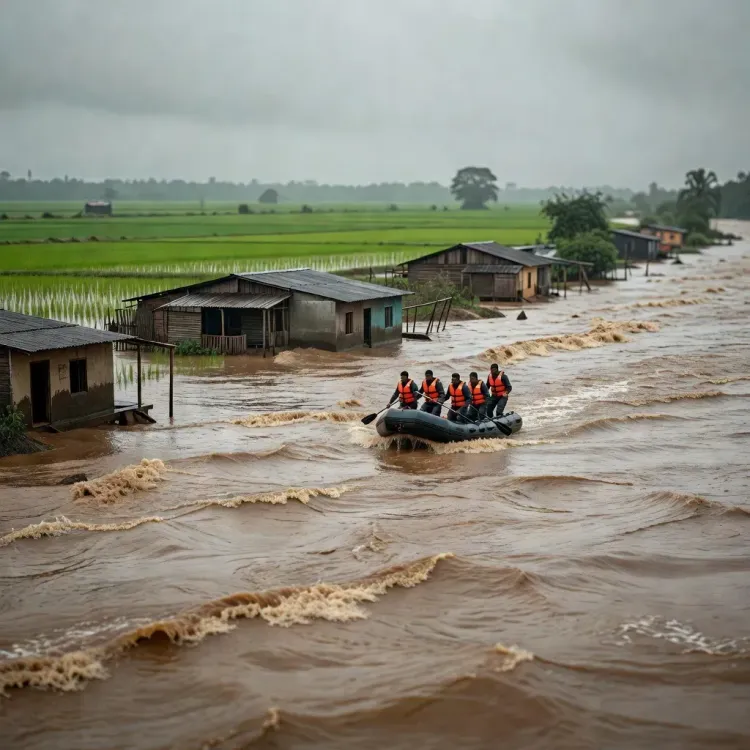
The operational backbone of Odisha's flood response rests on a layered structure built over decades. The Odisha Disaster Rapid Action Force (ODRAF) is the state's own rapid-response unit, trained specifically for swift rescue in waterlogged terrain. Alongside it, the National Disaster Response Force (NDRF) — India's central agency for major natural calamities — provides additional manpower and specialised equipment when the scale of flooding demands it.
The Odisha Fire Services round out the frontline, handling on-ground evacuations and emergency access. District administrations serve as the coordination hub, integrating all three forces under a unified command — a model Odisha has refined since the catastrophic 1999 super cyclone, which prompted the state to build one of India's most structured sub-national disaster management frameworks.
A state that learned to move fast
Odisha sits in one of the most flood-prone corridors in South Asia, with major river basins swelling reliably every monsoon season. That recurring reality has made the activation of ODRAF-NDRF joint operations less an emergency improvisation and more a practiced protocol — one the CMO's statement signals is already running at full tempo.
The government's emphasis on 'strict vigilance' and 'all government machinery remaining alert and active' mirrors the standard high-alert posture the state adopts during peak monsoon weeks, with district-level situation reports feeding upward to the state command in Bhubaneswar.
The coming days will test whether the current deployment is sufficient or whether additional central assistance will need to be requested — the metric that typically signals whether a flood season has crossed from manageable to crisis.
Point of View
Force-specific, and designed to project governmental control before public anxiety escalates. The explicit naming of ODRAF, NDRF, and Fire Services is deliberate: it signals multi-tier readiness rather than ad hoc response. Politically, Odisha's reputation as a disaster-management model state is an asset the ruling government consistently protects, making timely, confident public communication during floods as much a governance reflex as an operational one. The real test — and the political stakes — will emerge if the scale of flooding requires the state to formally request additional central assistance.
NationPress
15 Sept 2026
Frequently Asked Questions
What is ODRAF and what does it do during floods in Odisha?
ODRAF stands for Odisha Disaster Rapid Action Force, the state's specialised unit trained for swift rescue and relief operations during natural disasters like floods. It works alongside NDRF and district administrations during major flood events.
Is Odisha facing floods in July 2026?
Yes. The Chief Minister's Office of Odisha confirmed on July 31, 2026 that flood conditions have triggered active rescue, shelter, and relief operations across affected areas in the state.
What agencies are handling flood relief in Odisha right now?
ODRAF, NDRF, Odisha Fire Services, and district administrations are jointly conducting rescue, shelter, and relief operations under coordinated command, as confirmed by the CMO on July 31, 2026.
How does Odisha manage floods every year?
Odisha activates a structured disaster response framework built after the 1999 super cyclone, deploying ODRAF and NDRF teams under district administration coordination, with the state maintaining high-alert status through peak monsoon weeks.
What should flood-affected people in Odisha do?
The government has confirmed that rescue, shelter, and essential services are operational. Affected residents should contact local district administration offices or move to designated relief shelters as directed by local authorities.