CM Majhi: Odisha govt stands firm with flood-hit families
Synopsis
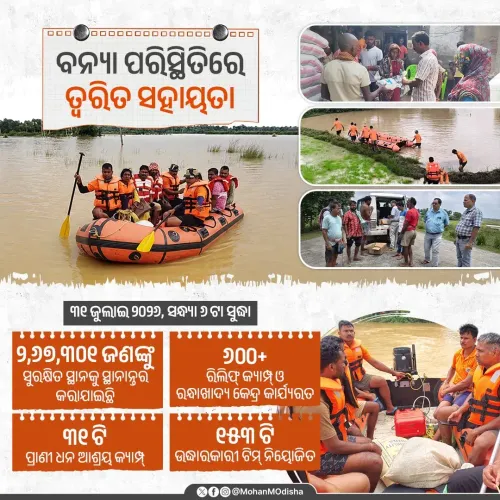
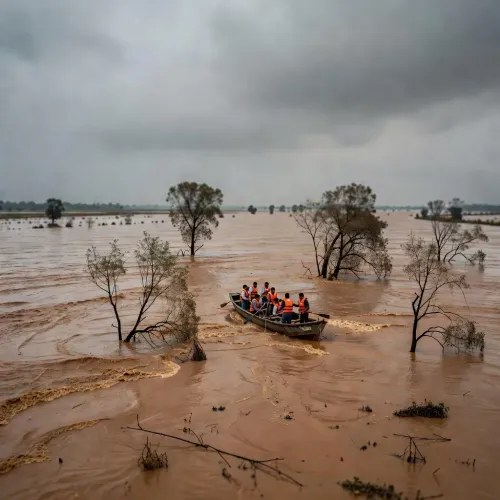
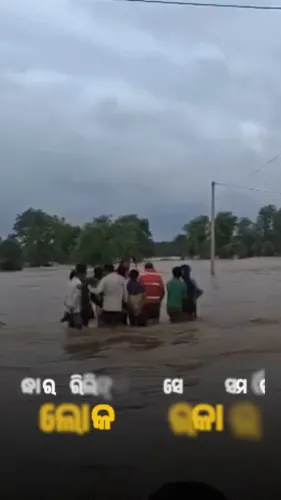
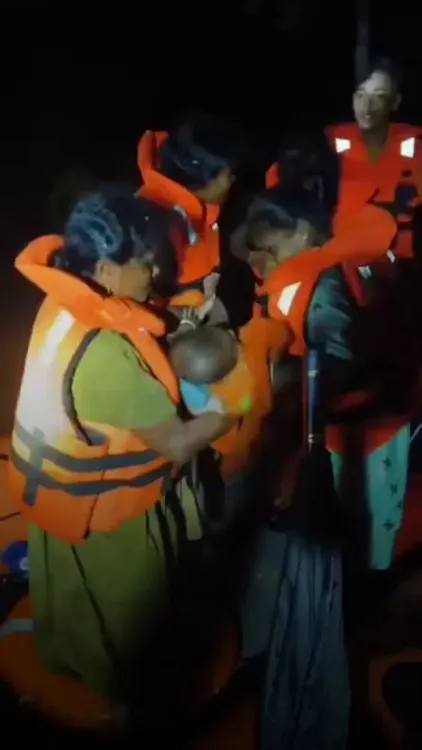
Odisha CM Mohan Charan Majhi on 30 July 2026 confirmed that ODRAF, fire services and all departments are working non-stop in flood-hit areas, covering rescue, healthcare, food, drinking water and shelter for every affected family.
Key Takeaways
Mohan Charan Majhi confirmed on 30 July 2026 that round-the-clock flood relief is under way across Odisha's affected districts.
The Odisha Disaster Rapid Action Force (ODRAF) , fire services, administration and all concerned departments are jointly deployed.
The relief pipeline covers safe rescue, healthcare, food, drinking water and shelter — all five pillars explicitly named by the CM.
Odisha's multi-agency disaster response framework was built after the 1999 super cyclone and is coordinated by the OSDMA .
The state's annual exposure to Mahanadi river flooding has made its disaster protocols among the most refined in India.
As monsoon floods bite deeper into Odisha's vulnerable districts, Chief Minister Mohan Charan Majhi has sent an unambiguous message to affected families: the state will not leave them alone. In a post on 30 July 2026, Majhi confirmed that multi-agency relief operations are running without pause across flood-hit zones.
Posting in Odia, the Chief Minister said: 'ବନ୍ୟା ପ୍ରଭାବିତ ଅଞ୍ଚଳରେ ପ୍ରତ୍ୟେକ ପରିବାର ପାଖରେ ତ୍ୱରିତ ସହାୟତା ପହଞ୍ଚାଇବା ପାଇଁ...' — 'To reach swift assistance to every family in flood-affected areas, the administration, ODRAF, fire services and all concerned departments are working without interruption. From safe rescue, healthcare, food and drinking water supply to shelter — at every step, our government stands firmly with you.'
ODRAF and fire brigades on the ground
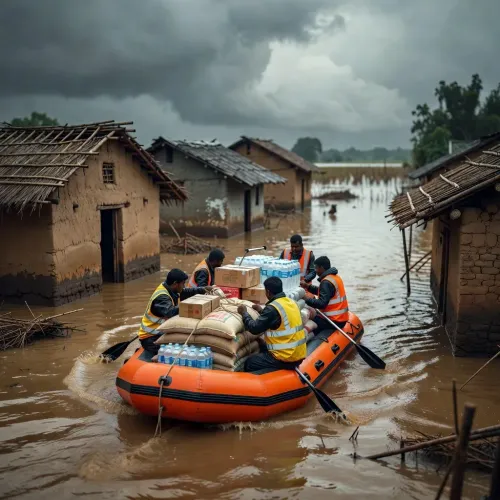
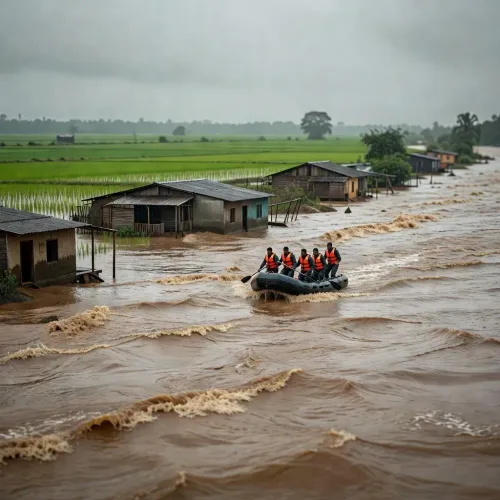
The Odisha Disaster Rapid Action Force (ODRAF) is the state's frontline rapid-response unit, purpose-built for exactly this kind of emergency. Alongside ODRAF, fire services teams are deployed for water rescues in areas where access by road has been cut off. The coordinated framework traces its roots to the institutional overhaul Odisha undertook after the devastating 1999 super cyclone, which prompted the creation of the Odisha State Disaster Management Authority (OSDMA).
That architecture — refined through decades of annual monsoon emergencies along rivers including the Mahanadi — now activates as a near-automatic protocol whenever floods strike. The state's institutional muscle memory is one of the most developed of any Indian state.
Relief pipeline: rescue, health, food, shelter
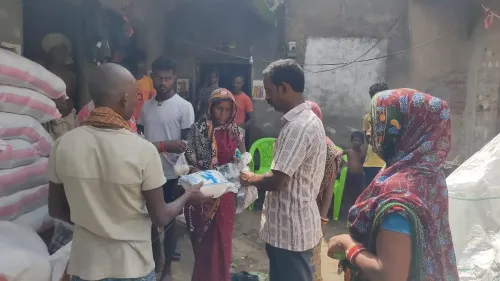
Majhi's statement lays out a four-pillar relief pipeline: safe evacuation, healthcare access, food and drinking water, and shelter. The explicit mention of drinking water is significant — contaminated water sources are typically the first post-flood public health risk, and pre-positioning of clean water supply is a measure that saves lives in the days after the initial rescue phase.
Health teams embedded with relief columns are a standard element of Odisha's disaster response, ensuring that the medically vulnerable — the elderly, children, pregnant women — receive attention even in remote pockets cut off by floodwaters.
With operations ongoing, the next critical benchmark will be whether central assistance is sought and how quickly normalcy can be restored to the most severely affected pockets. Odisha's disaster machinery is running. Now it must deliver.
Point of View
Demonstrating command over Odisha's well-tested disaster machinery is also a governance credibility moment. The explicit four-pillar framing (rescue, health, food, shelter) mirrors the OSDMA protocol language, suggesting the messaging is coordinated with the relief bureaucracy rather than improvised. The broader pattern to watch: whether this event triggers a formal request for central assistance, which would escalate the political and administrative stakes considerably.
NationPress
14 Sept 2026
Frequently Asked Questions
What is ODRAF and what does it do during floods in Odisha?
ODRAF stands for Odisha Disaster Rapid Action Force , a state-level rapid-response unit trained and equipped for disaster rescue and relief. During floods it conducts water rescues, evacuates stranded families and supports health and relief distribution alongside fire services and district administration.
What did Odisha CM Mohan Majhi say about flood relief on 30 July 2026?
CM Mohan Charan Majhi said on 30 July 2026 that the administration, ODRAF, fire services and all concerned departments are working without interruption to reach every flood-affected family, covering rescue, healthcare, food, drinking water and shelter.
Which rivers cause flooding in Odisha every monsoon?
The Mahanadi is the most prominent river associated with recurring monsoon floods in Odisha, though several other rivers in the state also overflow during heavy rainfall seasons.
What is the OSDMA and how was it set up?
The Odisha State Disaster Management Authority (OSDMA) was established after the catastrophic 1999 super cyclone to coordinate multi-agency disaster response across the state. It oversees preparedness, rescue and relief protocols that are now activated routinely during monsoon floods.
Is Odisha getting central government help for the 2026 floods?
As of 30 July 2026 , CM Majhi's statement focused on state-level operations. Whether a formal request for central assistance has been made has not been confirmed in the available information.