CM Majhi Flags Odisha-Tottori Friendship in Culture and Tourism
Synopsis
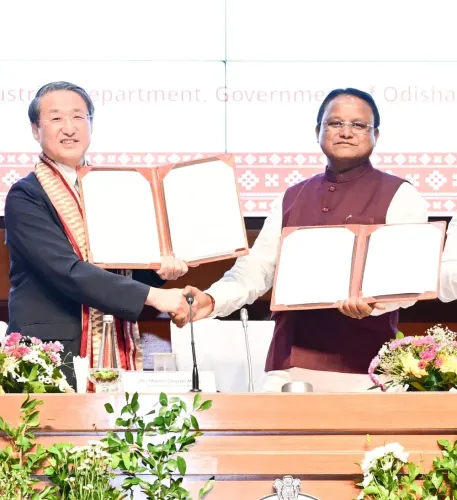
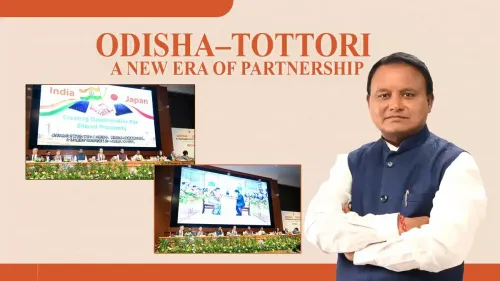
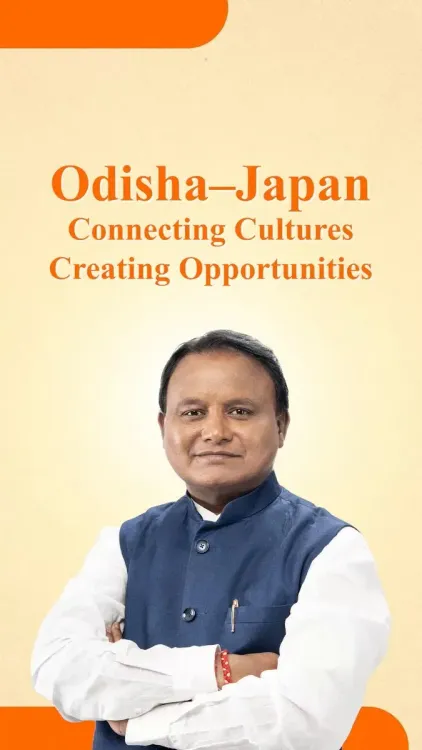
Odisha Chief Minister Mohan Charan Majhi announced on 11 November 2026 that Odisha and Japan's Tottori Prefecture are building a friendship centred on culture, tourism and people-to-people exchanges, extending India's growing sub-national diplomacy with Japanese regions.
Key Takeaways
Odisha CM Mohan Charan Majhi publicly announced a cultural and tourism friendship between Odisha and Tottori Prefecture, Japan on 11 November 2026 .
The partnership targets students, artists, visitors and communities through people-to-people exchanges and shared cultural experiences.
Tottori is a heritage and tourism-focused prefecture in western Japan, known for its sand dunes and cultural identity — a natural counterpart to Odisha's own heritage tourism assets.
The engagement is part of a wider trend of Indian states forging direct sub-national ties with Japanese prefectures , complementing the national-level India-Japan Strategic Partnership.
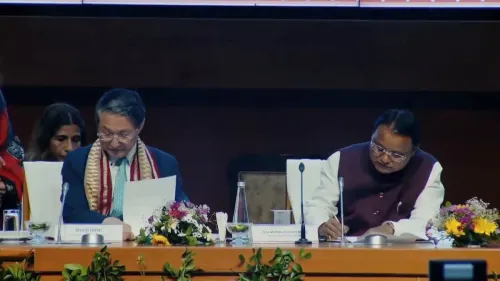
No formal MoU or specific programme details have been confirmed yet; Majhi's post establishes intent and public commitment .
A quiet but meaningful diplomatic signal emerged from Odisha on Wednesday, 11 November 2026, as Chief Minister Mohan Charan Majhi announced that the eastern Indian state is forging a lasting friendship with Tottori Prefecture in western Japan — centred on culture, tourism, and the kind of people-to-people bonds that outlast any single government.
Majhi framed the partnership as an opportunity engine: 'Odisha and Tottori are building a lasting bridge of friendship through culture, tourism and people-to-people exchanges. This partnership will create new opportunities for students, artists, visitors and communities, bringing both regions closer through shared experiences and mutual understanding.'
Tottori's Appeal — and Why Odisha Is Looking There
Tottori is Japan's least-populous prefecture, tucked into the country's western San'in coast, but it punches above its weight in cultural identity — famous for its sweeping Tottori Sand Dunes, heritage coastlines, and a deliberate focus on slow, immersive tourism. That profile mirrors exactly the kind of international partnership Odisha has been cultivating since the BJP government took office in June 2024: heritage-rich, visitor-focused, and grounded in lived experience rather than industrial scale.
For Odisha — home to the Jagannath Temple, Konark's Sun Temple, and a coastline stretching over 480 kilometres — a tie-up with a Japanese prefecture that has built its identity around cultural tourism is a natural fit. The state has been actively courting foreign engagement under the 'Invest in Odisha' banner, and extending that outreach into sub-national diplomacy with Japan adds a softer, people-first dimension to what are often hard-nosed investment summits.
India's Quiet State-to-Prefecture Diplomacy
The Odisha-Tottori engagement sits within a broader, underreported trend: Indian states increasingly bypassing the purely national diplomatic channel to build direct cultural and institutional links with Japanese prefectures. These sub-national ties complement the India-Japan Strategic and Global Partnership at the central level — which spans defence, infrastructure, and technology — but they add a grassroots layer that trade agreements alone cannot manufacture.
Gujarat and several other states have pursued comparable prefecture-level engagements, and the model has proven durable. Student exchanges, shared heritage exhibitions, artist residencies, and tourism delegation visits tend to follow once a framework of mutual intent is established. The hashtag trail on Majhi's post — #IndiaJapanPartnership, #SamrudhOdisha, #InvestInOdisha — signals this is part of a deliberate, coordinated outreach rather than a one-off gesture.
What to watch now: whether formal agreements or memoranda follow between Odisha and Tottori — specifically on student exchange programmes, joint cultural festivals, or structured tourism delegations — in the months ahead. The intent is now publicly stated. The architecture to back it up is the next test.
Point of View
Anchoring the Japan outreach in culture and people-to-people exchange — rather than purely industrial corridors — signals strategic nuance. The choice of Tottori, a small but culturally distinct prefecture, also suggests Odisha is seeking parity partners rather than competing for attention in Japan's larger metro corridors. The real measure of this initiative will be whether institutional structures — exchanges, MoUs, delegations — materialise before the momentum of the announcement fades.
NationPress
11 Nov 2026
Frequently Asked Questions
What is the Odisha-Tottori partnership about?
It is a people-to-people and cultural friendship initiative between Odisha, an eastern Indian state, and Tottori Prefecture in western Japan, focusing on tourism, culture, student exchanges and community ties, as announced by Chief Minister Mohan Charan Majhi.
Where is Tottori Prefecture and why is it significant?
Tottori is Japan's least-populous prefecture, located on the western San'in coast. It is known for its famous sand dunes, heritage coastline and a strong focus on cultural and slow tourism, making it a natural partner for heritage-rich Odisha.
Is there a formal agreement signed between Odisha and Tottori?
As of 11 November 2026, no formal MoU or specific programme details have been publicly confirmed. Majhi's announcement establishes intent; formal agreements would be the next step to watch.
How does this fit into the broader India-Japan relationship?
The Odisha-Tottori engagement is part of a growing trend of Indian states building direct cultural and institutional ties with Japanese prefectures, complementing the national India-Japan Strategic and Global Partnership which covers defence, infrastructure and technology.
Which other Indian states have similar ties with Japanese prefectures?
Gujarat is among the Indian states that have pursued comparable prefecture-level cultural and economic engagements with Japan, and the model has been seen across several other Indian regions as sub-national diplomacy with Japan expands.