Operation Toofan Phase 2: Kerala targets ward-level drug fight, sets up elite narcotics squad
Synopsis
Kerala's Operation Toofan has gone structural: a new elite narcotics unit with three regional hubs will chase high-value inter-state and international drug networks, while ward-level community committees take the fight to the grassroots. With financial backers of drug deals now in the crosshairs and a dedicated rehabilitation app in development, Phase 2 is a markedly broader operation than the enforcement-first Phase 1.
Key Takeaways
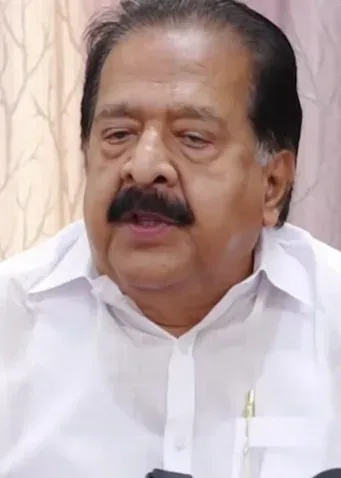
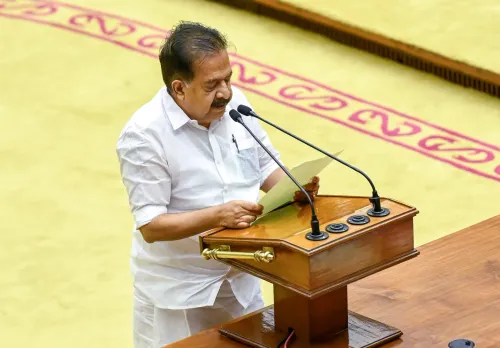
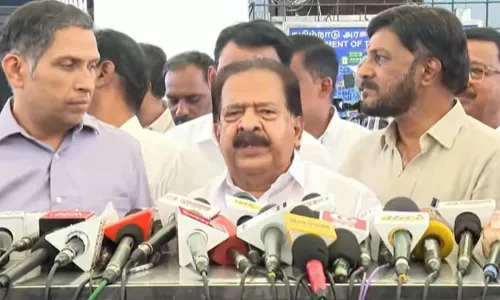
Home Minister Ramesh Chennithala announced Operation Toofan Phase 2 on 18 September 2026 in Thiruvananthapuram .
A new Anti-Narcotics Investigation Team led by IG Putt Vimaladitya is now operational, with units in Thiruvananthapuram , Ernakulam , and Kozhikode .
Toofan Jana Jagratha Samitis will be set up at the ward level; Chief Minister V.D.
Satheesan will inaugurate the initiative at Vengara, Malappuram on 28 September .
Around 35 hospitals have joined the Toofan Care rehabilitation programme, with a protocol being developed with the Indian Medical Association .
A Toofan app backed by Amrita University is being developed for confidential help-seeking by those affected by drug abuse.
Drug supplies to Kerala have reportedly fallen by 20 to 30 per cent , according to the government's assessment.
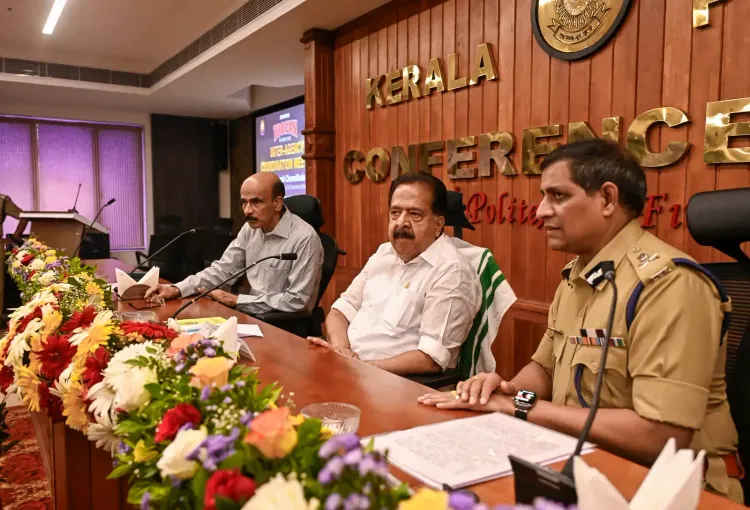
Kerala's anti-drug campaign Operation Toofan entered its second phase on Friday, 18 September 2026, with the state government expanding the crackdown to the ward level while simultaneously launching a specialised investigation unit to dismantle high-value narcotics networks with inter-state and international links. Home Minister Ramesh Chennithala made the announcement in Thiruvananthapuram, signalling a structural shift from supply-side raids to a dual-track approach that also targets demand reduction and rehabilitation.
Elite Anti-Narcotics Team Now Operational
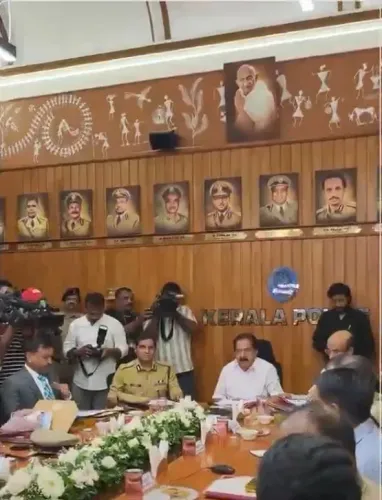
An Anti-Narcotics Investigation Team has begun functioning under the command of Toofan nodal officer and North Inspector General Putt Vimaladitya. The unit is divided into three sub-units stationed in Thiruvananthapuram, Ernakulam, and Kozhikode, each comprising 10 police personnel — including a Deputy Superintendent of Police, two Circle Inspectors, two Sub-Inspectors, and supporting officers.
The specialised teams will focus exclusively on high-value trafficking cases and supply networks that extend beyond Kerala's borders or overseas. The government said the restructuring was designed to make investigations 'more scientific, focused and coordinated,' particularly when tracing major suppliers and sources.
Ward-Level Committees to Mobilise Communities
At the grassroots end of the campaign, the government will establish Toofan Jana Jagratha Samitis at the ward level in collaboration with the Local Self-Government Department. These committees will draw in elected representatives, Kudumbashree members, ASHA workers, Haritha Karma Sena, youth organisations, and other community groups.
Chief Minister V.D. Satheesan is scheduled to inaugurate the state-level launch of the ward-level initiative at Vengara in Malappuram on 28 September. Industries Minister P.K. Kunhalikutty will preside over the event. This community mobilisation push marks a notable change in the campaign's texture — moving from police-led enforcement alone to broad civic participation.
Demand Reduction and Rehabilitation Come Centre Stage
The second phase places increased emphasis on curbing demand alongside suppressing supply. Under the Toofan Care component, around 35 major hospitals have expressed willingness to join the programme, and a rehabilitation protocol is being developed in association with the Indian Medical Association (IMA).
A dedicated Toofan app is also under development to allow individuals struggling with substance abuse to seek help and speak about their problems confidentially. Amrita University's IT division is providing the technical backbone for the application.
Financial Networks in the Crosshairs
Chennithala indicated that the investigation would extend beyond immediate drug suppliers to include those who provided financial assistance to accused persons for procuring narcotics. This signals a potential shift towards money-laundering and hawala angle in prosecutions — a dimension that earlier phases of Operation Toofan did not explicitly address.
What Phase 1 Achieved
According to the government's own assessment, Operation Toofan has brought down drug supplies to Kerala by 20 to 30 per cent. Chennithala said the operation had moved beyond distributors and was now reaching the actual sources of supply. This comes amid sustained public and political pressure over Kerala's drug abuse crisis, which has intensified over the past three years, particularly among youth in coastal and urban districts. The scale-up into Phase 2 reflects both the campaign's early traction and the recognition that enforcement alone cannot resolve a demand-driven problem.
With ward committees, a rehabilitation protocol, a digital help platform, and a financially focused investigation arm all activating in tandem, Operation Toofan's second phase will be closely watched as a model for state-level counter-narcotics strategy in India.
Point of View
Leaving demand and financing untouched. The Kerala government's move to pursue funders of drug purchases and pair enforcement with an IMA-backed rehabilitation protocol suggests a more systemic approach than the typical headline-driven crackdown. The credibility test, however, will be execution: ward committees in Kerala have a mixed record of sustained activism beyond launch events, and the 20-30 per cent supply reduction figure comes from the government's own assessment, without independent verification. Whether Phase 2 holds together beyond the 28 September inauguration will depend on whether the community architecture is genuinely resourced or remains symbolic.
NationPress
18 Sept 2026
Frequently Asked Questions
What is Operation Toofan Phase 2 in Kerala?
Operation Toofan Phase 2 is the expanded second stage of Kerala's anti-drug campaign, announced on 18 September 2026 by Home Minister Ramesh Chennithala. It combines a specialised elite narcotics investigation unit targeting high-value inter-state networks with grassroots ward-level community committees, and places new emphasis on demand reduction and rehabilitation alongside supply enforcement.
What is the new Anti-Narcotics Investigation Team?
It is a specialised police unit that began functioning under IG Putt Vimaladitya, with three sub-units based in Thiruvananthapuram, Ernakulam, and Kozhikode, each staffed by 10 officers. The team will focus on high-value drug trafficking cases with links outside Kerala or abroad.
What are Toofan Jana Jagratha Samitis?
These are ward-level community vigilance committees being set up under Operation Toofan in partnership with the Local Self-Government Department. They will include elected representatives, Kudumbashree members, ASHA workers, Haritha Karma Sena, and youth groups. Chief Minister V.D. Satheesan will inaugurate the initiative at Vengara, Malappuram on 28 September.
How effective has Operation Toofan been so far?
According to the Kerala government's own assessment, Operation Toofan has reduced drug supplies to the state by 20 to 30 per cent. Home Minister Chennithala stated that the operation had moved beyond distributors to reach actual supply sources, though the figure has not been independently verified.
What rehabilitation measures are part of Phase 2?
Phase 2 includes the Toofan Care programme, under which around 35 major hospitals have agreed to participate, and a rehabilitation protocol being developed with the Indian Medical Association. A Toofan app, built with technical support from Amrita University, is also under development to help people affected by drug abuse seek confidential assistance.