Paatil Hails Modi-Japan PM 'Bhai-Behen' Bond as True Friendship
Synopsis
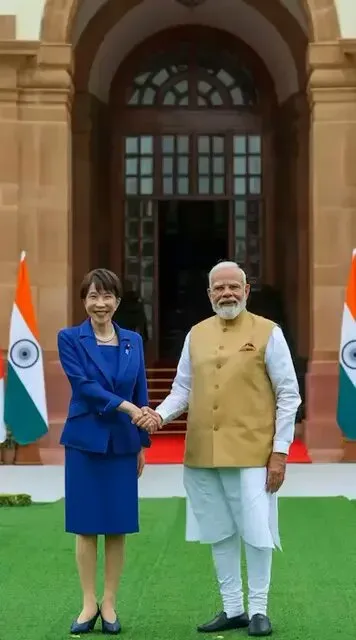
Union Jal Shakti Minister C. R. Paatil highlighted a moment of personal warmth between PM Modi and Japan's Prime Minister, where Modi called her 'little sister' and was called 'brother' in return, calling it the true identity of India-Japan friendship.
Key Takeaways
Paatil , Union Jal Shakti Minister, shared a video on 2 July 2026 highlighting personal warmth between PM Modi and Japan's Prime Minister .
PM Modi referred to the Japanese Prime Minister as 'choti behen' (little sister); she called him 'bhai' (brother) in return.
India and Japan hold a Special Strategic and Global Partnership formalised in 2014 , with annual Prime Ministerial summits since 2006 .
Both nations are members of the Quad alongside the United States and Australia , making the bilateral relationship a cornerstone of Indo-Pacific strategy.
Personal leader-level rapport has historically accelerated formal agreements on defence, infrastructure, and technology between the two countries.
The next India-Japan Annual Summit and upcoming Quad meetings in 2026-27 will be watched for fresh bilateral deliverables.
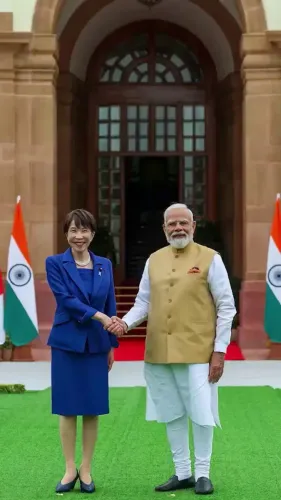
Union Jal Shakti Minister C. R. Paatil on Thursday, 2 July 2026 took to X to highlight a moment of personal warmth between Prime Minister Narendra Modi and the Prime Minister of Japan, describing it as the true hallmark of India-Japan friendship. Paatil shared a video of the exchange in which Modi referred to the Japanese Prime Minister as 'choti behen' (little sister), and she reciprocated by calling him 'bhai' (brother).
Context
The post, written in Hindi, reads: 'Jab mananiya Pradhanmantri Shri Narendrabhai Modi ji ne Japan ki Pradhanmantri ko 'choti behen' kaha aur jawab mein unhe 'bhai' kaha gaya. Yahi hai Bharat-Japan ki dosti ki asli pehchaan.' Translated: 'When the honourable Prime Minister Shri Narendra Modi called Japan's Prime Minister 'little sister' and was called 'brother' in return — this is the true identity of India-Japan friendship.' The exchange, captured in a video attached to the post, underscores the personal diplomacy that has become a signature of Modi's foreign policy engagements, particularly with Japan.
Paatil, a senior BJP leader and former Gujarat BJP state president, often amplifies moments that reflect the ruling party's foreign-policy achievements on social media. His post spotlights the human dimension of statecraft — a deliberate contrast to formal communiqués.
Policy Backdrop
India and Japan share a Special Strategic and Global Partnership, a status formalised during Modi's visit to Tokyo in 2014. The two countries have held annual Prime Ministerial summits since 2006, covering areas ranging from bullet-train infrastructure and defence technology to maritime security and semiconductor supply chains.
Over the past decade, Modi's diplomacy with Japan has consistently blended personal warmth with formal statecraft. The late Shinzo Abe, former Japanese Prime Minister, was widely noted for his close personal rapport with Modi — a relationship that set the template for the current depth of bilateral ties. That tradition of leader-level personal chemistry appears to continue with the present Japanese Prime Minister.
The two nations are also co-members of the Quad — alongside the United States and Australia — which has become a central pillar of the Indo-Pacific security architecture. Bilateral cooperation under India's Act East Policy has further cemented Japan as one of New Delhi's most consequential partners in the region.
Stakeholders and Impact
The moment resonates beyond symbolism for the diplomatic community, business lobbies with stakes in Japan-India infrastructure corridors, and defence establishments tracking the Quad's cohesion. Personal bonds at the leader level are widely regarded as accelerants for formal negotiations on trade, defence co-production, and technology transfer.
For domestic audiences, the exchange reinforces the government's narrative of Modi as a globally respected statesman who commands personal affection from world leaders — a message that BJP leaders like Paatil routinely amplify ahead of domestic political cycles.
What's Next
Attention will now turn to the next India-Japan Annual Summit and any joint statements at upcoming Quad or bilateral meetings through 2026-27. Observers will watch whether the personal warmth on display translates into fresh deliverables — whether in defence technology co-development, critical minerals cooperation, or the long-pending review of the India-Japan Comprehensive Economic Partnership Agreement.
As India deepens its Indo-Pacific footprint, moments of cultural and personal connection between leaders serve as diplomatic currency — signalling stability and trust to partners and rivals alike.
Point of View
Framing personal warmth between leaders as evidence of civilisational and strategic closeness — a narrative the BJP has cultivated consistently since 2014. By amplifying the 'bhai-behen' exchange, the ruling party reinforces the image of Modi as a statesman who commands genuine affection from global peers, not merely formal protocol. This sits within a broader arc of India's Act East Policy, where Japan occupies a privileged position as a defence, infrastructure, and technology partner. The post also signals to the diplomatic community that the personal chemistry established with the late Shinzo Abe has successfully carried forward to the current Japanese leadership.
NationPress
1 Oct 2026
Frequently Asked Questions
Why did PM Modi call Japan's Prime Minister 'little sister'?
PM Modi referred to Japan's Prime Minister as 'choti behen' or 'little sister' as a gesture of personal warmth, reflecting the close personal rapport that has characterised India-Japan leader-level diplomacy in recent years. The Japanese Prime Minister reciprocated by calling him 'bhai' or 'brother'.
What is the India-Japan Special Strategic and Global Partnership?
The Special Strategic and Global Partnership is the highest level of bilateral relationship between India and Japan, formalised during PM Modi's visit to Tokyo in 2014. It covers defence, infrastructure, technology, and maritime security cooperation, and is anchored by annual Prime Ministerial summits held since 2006.
What did C. R. Paatil post about India-Japan relations?
Union Jal Shakti Minister C. R. Paatil posted a video on 2 July 2026 showing PM Modi calling Japan's Prime Minister 'little sister' and being called 'brother' in return, describing the exchange as the 'true identity of India-Japan friendship.'
What is the Quad and how does Japan fit in?
The Quad is a strategic grouping comprising India, Japan, the United States, and Australia, focused on maintaining a free and open Indo-Pacific. Japan is one of India's most important Quad partners, with cooperation spanning maritime security, defence technology, and critical supply chains.
How has India-Japan friendship grown under PM Modi?
Under PM Modi, India-Japan ties have expanded significantly from economic and infrastructure cooperation — including the Mumbai-Ahmedabad High Speed Rail project — to defence co-production, semiconductor supply chains, and maritime security under the Quad framework. Annual summits and strong personal bonds between leaders have been a consistent feature of this relationship.