CR Paatil Inaugurates Pilgrim Rest House in Bilimora
Synopsis
Union Jal Shakti Minister C. R. Paatil inaugurated a Yatri Niwas and Bhojanalayas at Bilimora in Navsari, Gujarat on June 7, 2026, receiving blessings from Guru Balknathji Maharaj. The facilities, dedicated to service and social welfare, aim to enhance comfort and spiritual experience for pilgrims visiting the region.
Key Takeaways
Paatil , Union Jal Shakti Minister, inaugurated a Yatri Niwas and Bhojanalayas at Bilimora, Navsari, Gujarat on June 7, 2026 .
The facilities are designed to provide accommodation and dining services to pilgrims visiting the town.
Guru Balknathji Maharaj and other saints were present and offered blessings at the inauguration ceremony.
The project aligns with the central government's PRASAD scheme (launched 2014-15 ) for integrated pilgrimage destination development.
The initiative reflects the BJP government's broader focus on upgrading religious tourism infrastructure across Gujarat and India.
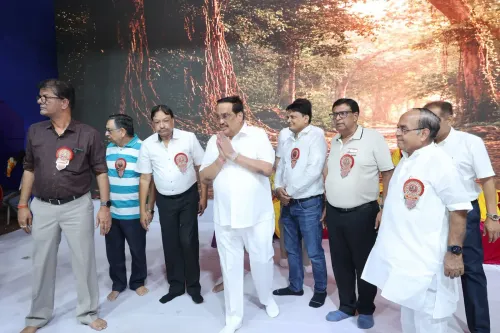
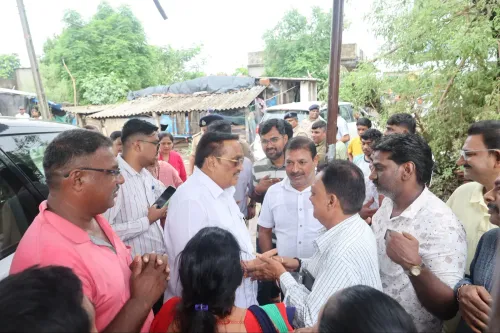
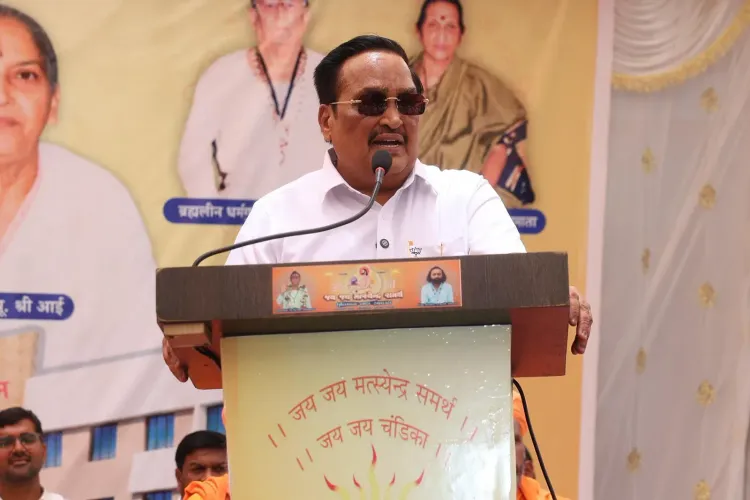
Union Jal Shakti Minister C. R. Paatil on Sunday, June 7, 2026, inaugurated a Yatri Niwas (pilgrim rest house) and Bhojanalayas (dining facility) at Bilimora in Navsari district, Gujarat, expressing deep satisfaction at the completion of amenities built to serve pilgrims visiting the town.
Context
Paatil shared the occasion on social media in Gujarati, writing: 'બિલીમોરા ખાતે યાત્રાળુઓની સુવિધા અને સેવા માટે નિર્મિત યાત્રી નિવાસ તથા ભોજનાલયના લોકાર્પણ કરતા ખૂબ આનંદની લાગણી અનુભવી' ['I felt immense joy inaugurating the Yatri Niwas and Bhojanalayas constructed for the convenience and service of pilgrims at Bilimora']. He added that he felt blessed to receive the blessings of Pujya Guru Balknathji Maharaj and assembled saints on the sacred occasion.
The minister described the facilities as dedicated to the values of 'seva, sanskar ane samajkalyan' — service, culture, and social welfare — and said they would provide pilgrims with greater comfort and spiritual peace.
Policy Backdrop
The inauguration fits within a sustained central and state government push to upgrade infrastructure at pilgrimage destinations across India. The PRASAD scheme, launched in 2014-15, specifically targets integrated development of pilgrimage sites, including the construction of Yatri Niwas facilities and community dining halls.
The Swadesh Darshan scheme, also initiated in 2014-15, supports thematic religious tourism circuits across states, with Gujarat among the beneficiaries. Successive BJP administrations at both the central and state levels have prioritised such projects, linking heritage conservation with modern visitor amenities as part of a broader religious tourism agenda.
Stakeholders and Impact
The primary beneficiaries are pilgrims who visit Bilimora and its surrounding religious sites in south Gujarat. Local temple trusts and community organisations involved in managing the facilities are also key stakeholders in the project's day-to-day operation.
The availability of dedicated accommodation and dining infrastructure is expected to ease the experience of devotees travelling to the region, reducing dependence on commercial lodging and enabling longer stays at spiritual sites. The presence of Guru Balknathji Maharaj at the inauguration underscores the event's significance within the local religious community.
What's Next
Attention will turn to the rollout of additional pilgrimage amenities under PRASAD 2.0 and Gujarat's state tourism budgets in upcoming fiscal cycles. The pace of inter-ministerial coordination for such facilities — which often involve the tourism, culture, and state government departments alongside the central government — is likely to draw scrutiny in parliamentary proceedings. Further inaugurations of similar pilgrim infrastructure across Gujarat's religious circuit are anticipated as these programmes mature.
Point of View
Particularly in Gujarat ahead of future electoral cycles. The invocation of figures like Guru Balknathji Maharaj also signals the political value placed on endorsements from respected spiritual leaders. Cumulatively, such inaugurations contribute to a pattern of positioning BJP leaders as guardians of both development and dharmic tradition.
NationPress
22 Oct 2026
Frequently Asked Questions
What did CR Paatil inaugurate at Bilimora?
CR Paatil inaugurated a Yatri Niwas (pilgrim rest house) and Bhojanalayas (dining facility) at Bilimora in Navsari district, Gujarat, on June 7, 2026, to serve pilgrims visiting the area.
Where is Bilimora located?
Bilimora is a town in Navsari district in south Gujarat, India.
What is the PRASAD scheme?
The PRASAD (Pilgrimage Rejuvenation and Spiritual, Heritage Augmentation Drive) scheme was launched in 2014-15 by the central government for the integrated development of pilgrimage destinations, including construction of Yatri Niwas and community dining facilities.
Who is Guru Balknathji Maharaj?
Guru Balknathji Maharaj is a spiritual leader whose blessings were sought at the Bilimora Yatri Niwas inauguration event attended by CR Paatil on June 7, 2026.
What is CR Paatil's current government position?
C. R. Paatil is the Union Minister of Jal Shakti in the Government of India and is a senior BJP leader and former BJP Gujarat state president.